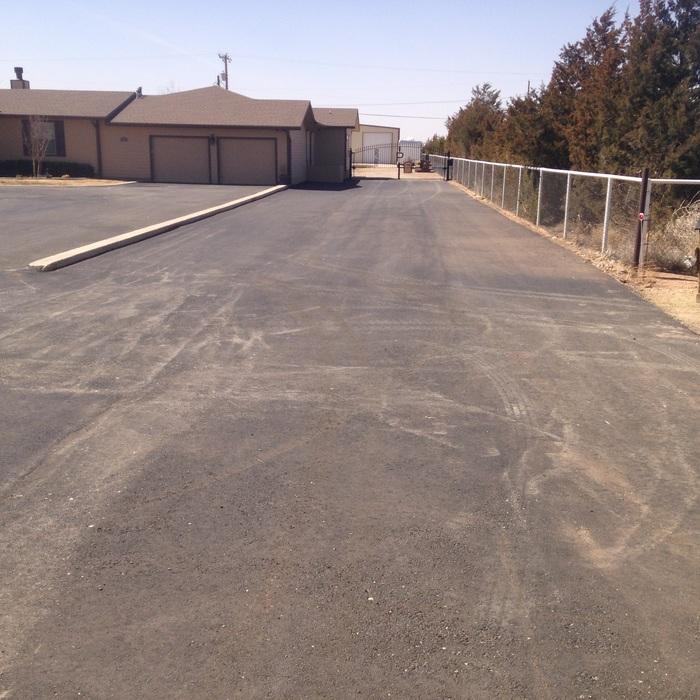


Top-rated paving pros.

Get matched with top paving pros in Andrews, TX

Enter your zip and get matched with up to 5 pros

Need a pro for your paving service project in Andrews, TX?

Select your specific project to find the pro for you.

Find Paving pros in Andrews

Avatar for San Francisco Masonry Texas
San Francisco Masonry Texas
4.9(
27
)
Interlocking Pavers for Patios, Walks & Steps - Install

Serving Andrews, TX and surrounding areas

Approved

Super Service Award Winner

In business since 2005

Free estimates

Emergency services offered

"They are quick, fair, and honest. Juan and his team showed up on time, went above in the work they provided, and made sure that we were satisfied. We will definitely hire them again and will not hesitate to recommend them to others."
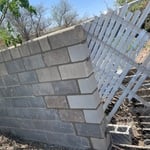
Retaining Wall
Retaining Wall
Retaining Wall
Retaining Wall
Retaining Wall

+3

Response time5 hrs
Response rate97%
2 neighbors recently requested a quote
Avatar for Paving Pro
Paving Pro
3.3(
5
)
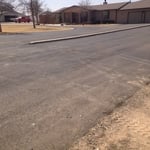
Asphalt Paving - InstallAsphalt Paving - Install- For BusinessAsphalt Paving - Repair or Patch+1 more

Serving Andrews, TX and surrounding areas

In business since 2005

Free estimates

Credit card accepted

Paving Pro has been in business since 2005, with over 20 years of experience. We always guarantee a job well done. We strive to exceed the homeowner's expectations each and every time, and get the job done the way you want it. We work in a timely fashion and always pay attention to detail. Proudly serving Odessa and the surrounding areas. Call today!

Gas plant
Banks
Parking lines
Parking lines
Parking lines

+2

Response time1 day
Recommended by50%of homeowners
Showing 1-10 of 43
Paving Services questions, answered by experts

The layer of polymeric sand under the pavers plus the polymeric sand that gets swept into the joints between your pavers holds them in place in a few ways. For one, the gritty texture of the sand helps lock the pavers together. Polymeric sand also contains bonding agents that get activated by water. Polymeric sand will take between 24 and 48 hours to fully cure, so do not walk on your paver walkway before this time.

Yes, a paved or repaved driveway can boost your home's value by increasing its curb appeal and the functionality of your outdoor space. A new driveway can add anywhere from $5,000 to $20,000 to a property's value. An old, crumbling driveway can be a red flag for potential buyers and inspectors.

The amount of value added depends on the materials used, the design, and local market conditions. Concrete is often cited as adding the most value due to its long lifespan, though asphalt may be more desirable in colder climates. The return on investment is greatest when replacing a driveway that is in poor condition; repaving a driveway that is already in good shape will not yield as significant an increase in value.

Many asphalt companies have experience with tar and chip paving, but not all. The process is unique enough—and not incredibly common enough—that you may have to look around for a tar and chip specialist. However, speaking with a driveway company is a great place to start, especially if they have experience with multiple materials.

Yes, hardscaping is generally a great investment that can increase your home's value. Hardscape features improve your yard's functionality, safety, and aesthetics, which boosts curb appeal and overall property value. According to a survey by the National Association of Realtors and the National Association of Landscape Professionals, hardscape upgrades are one of the top four outdoor projects that add value to a property for resale, along with landscape upgrades, landscape management, and lawn care services. While most buyers see value in these features, some may be concerned about potential increases in property taxes or the cost to alter them later. However, the return on investment is typically excellent. For best results, hardscaping should be combined with professional landscaping, and it's wise to hire a reliable contractor for installation.

Asphalt and tarmac are not the same thing. Traditional tarmac, short for tarmacadam, uses tar as a binder to hold crushed stone together. Asphalt uses bitumen—a byproduct of crude oil—to bind aggregate. Though tarmac was once a go-to for roads, asphalt has become the modern standard. And these days, most surfaces referred to as “tarmac” are actually asphalt. So, while the names may overlap, the key distinction lies in the binder—tar for tarmac and bitumen for asphalt.

The Andrews, TX homeowners’ guide to paving services

From average costs to expert advice, get all the answers you need to get your job done.