






Top-rated paving pros.

Get matched with top paving pros in Kermit, TX

Enter your zip and get matched with up to 5 pros

Need a pro for your paving service project in Kermit, TX?

Select your specific project to find the pro for you.

Find Paving pros in Kermit

Avatar for Paving Pro
Paving Pro
3.3(
5
)

Serving Kermit, TX and surrounding areas

In business since 2005

Free estimates

Credit card accepted

Paving Pro has been in business since 2005, with over 20 years of experience. We always guarantee a job well done. We strive to exceed the homeowner's expectations each and every time, and get the job done the way you want it. We work in a timely fashion and always pay attention to detail. Proudly serving Odessa and the surrounding areas. Call today!

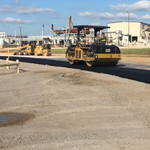
Gas plant
Banks
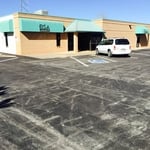
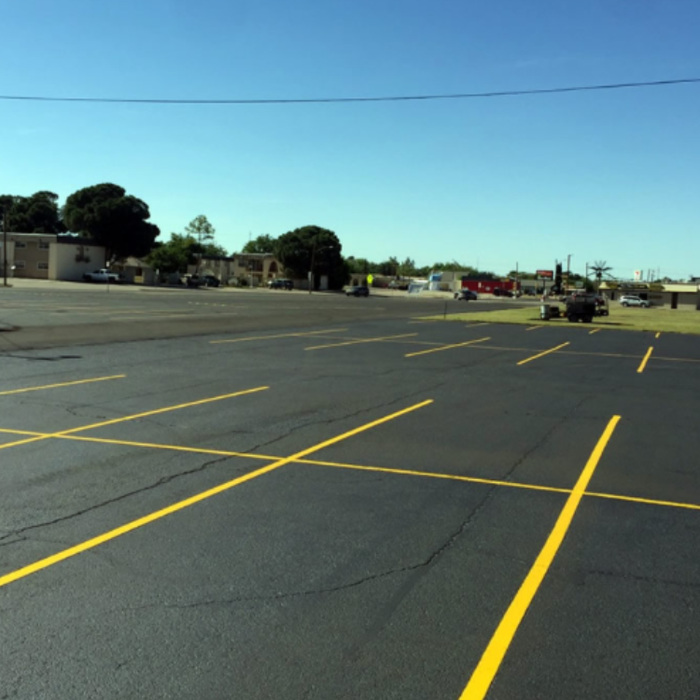
Parking lines
Parking lines
Parking lines

+2

Response time1 day
Recommended by50%of homeowners
Avatar for Dowden Consulting
Dowden Consulting
5.0(
2
)

Serving Kermit, TX and surrounding areas

In business since 2020

Free estimates

Emergency services offered

"He is fantastic. He called twice before coming out to make sure the timing was good. He is very responsive via text and phone call and very reasonably priced."
Response time3 hrs
Recommended by100%of homeowners
Showing 1-10 of 28
Paving Services questions, answered by experts

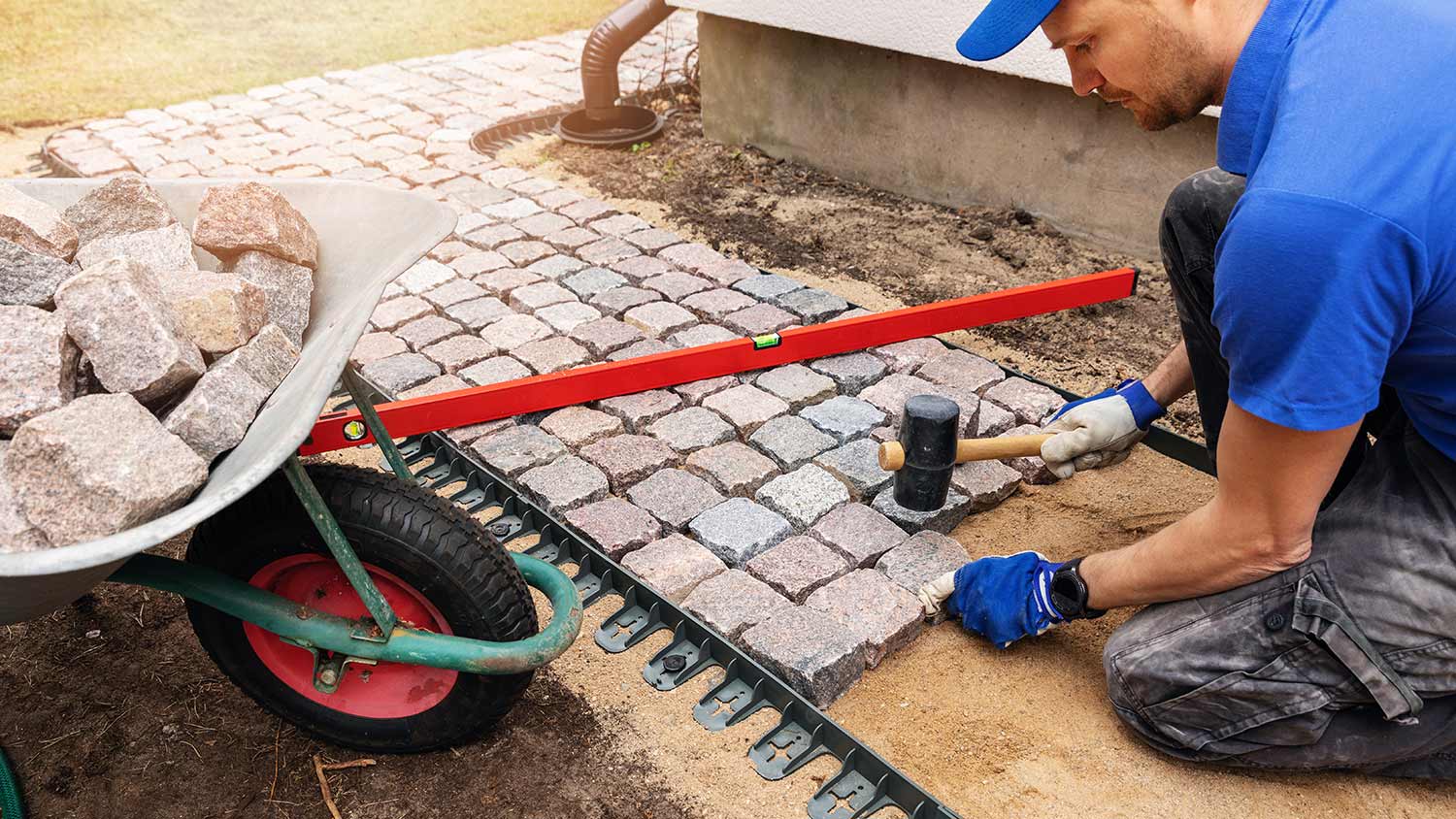
The best way to stop your pavers from sinking is to ensure you've properly compacted the base layers. Use your paver compactor and work over the base layer several times to create the hardest possible base. If the soil and sand of your base are compact, you’ll experience less shifting and sinking.

Asphalt and tarmac are not the same thing. Traditional tarmac, short for tarmacadam, uses tar as a binder to hold crushed stone together. Asphalt uses bitumen—a byproduct of crude oil—to bind aggregate. Though tarmac was once a go-to for roads, asphalt has become the modern standard. And these days, most surfaces referred to as “tarmac” are actually asphalt. So, while the names may overlap, the key distinction lies in the binder—tar for tarmac and bitumen for asphalt.

Professional installers often include a deep layer of crushed gravel under permeable pavers to allow more runoff to soak through into the soil below. Many installations will include multiple layers of gravel, with coarser aggregate at the base and finer aggregate that sits on top of that bottom layer. Above the gravel, you’ll often find coarse sand that helps reduce paver shifting over time. Some permeable paver designs include a water collection system set into the gravel layer to route runoff to a safe area for disposal.

A pallet of pavers will cost about $300 to $700 per pallet. Each pallet covers about 56 square feet. The specific price you pay per pallet of pavers will depend on a few factors, including the type of paver you’re buying, the size and shape of the pavers, and how many pavers you need. In some cases, you’ll spend less per pallet if you’re buying in bulk for very large paver patios.

Yes, pea gravel is good for driveways as long as your driveway isn’t built on a hill or any type of slope where it can slide. It’ll settle on a flat surface and create a suitable driveway over time, though some spreading initially will take place. If you're wondering how to make a gravel driveway in a high-rainfall area, using pea gravel could help you to cut down on costs needed for extra drainage solutions.

The Kermit, TX homeowners’ guide to paving services

From average costs to expert advice, get all the answers you need to get your job done.