



Top-rated welders.

Get matched with top welders in Shenandoah, TX

Enter your zip and get matched with up to 5 pros

Need a pro for your welding project in Shenandoah, TX?

Select your specific project to find the pro for you.

TRUSTED BY SHENANDOAH, TX HOMEOWNERS

  • Average homeowner rating star icon5
    Average homeowner rating
  • Verified reviews icon14
    Verified welding services reviews

Find Welders in Shenandoah

Avatar for BP Welding and Construction, LLC
BP Welding and Construction, LLC
5.0(
19
)

Serving Shenandoah, TX and surrounding areas

Approved

In business since 2009

Free estimates

Warranties offered

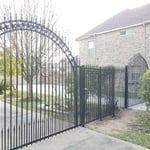
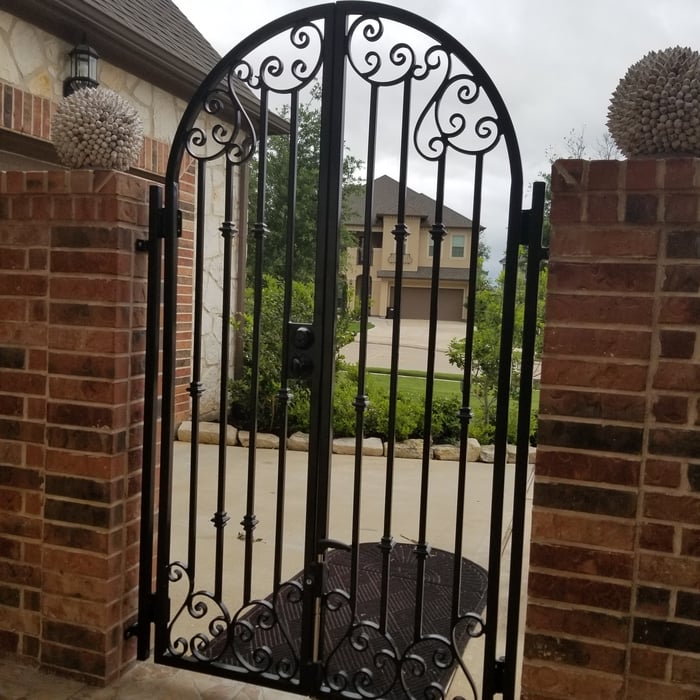
"Big Pete’s Welding came out to fix my wrought iron gate. One of the poles rusted and disintegrated near the bottom. He could have suggested to replace the whole pole but said it would be cheaper and just as sturdy if they cut out the bottom 6 inches and welded a new iron piece In it’s place. They came out did what the said, were very professional and cleaned up after. The wrought iron fence is as good as it was. Would definitely hire them again"
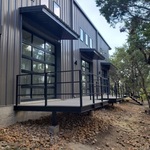
Cellar Doors
trailer add on
Wrought iron gate
Our work
Our work

+27

Response time6 hrs
Response rate86%
3 neighbors recently requested a quote
Avatar for Rodeo Mobile Welding Service
Rodeo Mobile Welding Service
5.0(
7
)

Serving Shenandoah, TX and surrounding areas

Approved

In business since 2016

Free estimates

Small jobs welcome

"Excellent Work for Reasonable Price and On Time. Rury demonstrated to be a professional businessman and workmanship. He and his team called and arrived as promised to inspect and work. They explained to us what they need to do and how they would do. Informed me in well advance that they will delay the work because of weather. I am completely impressed with Rodeo Mobile Welding Service. I would use their service again and recommend to my family and friends."
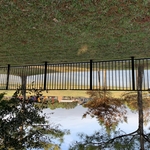
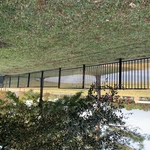
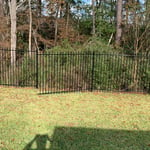
Fence repair
Fence repair
Outside fence 3/3
Gate Modification
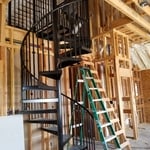
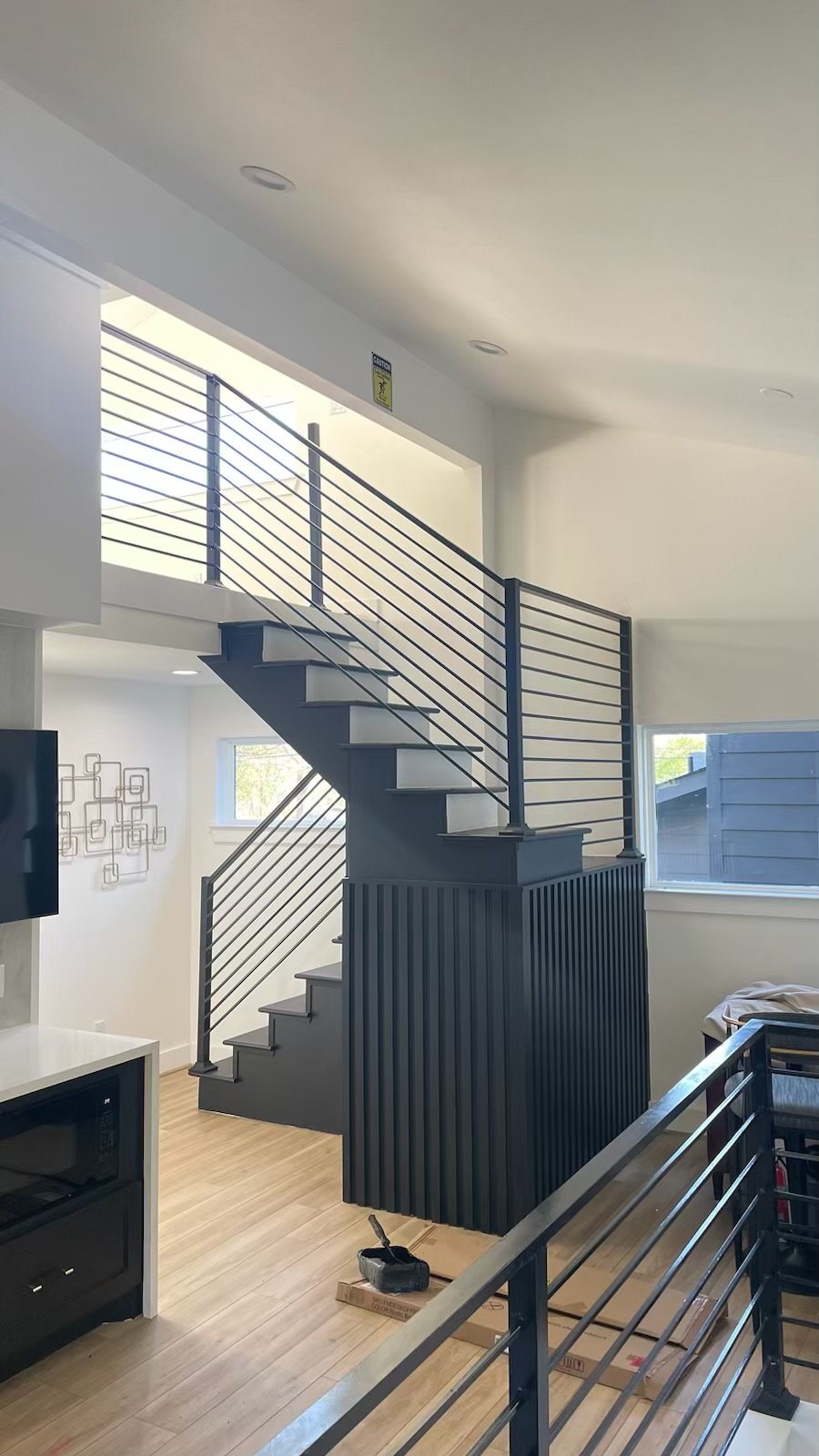
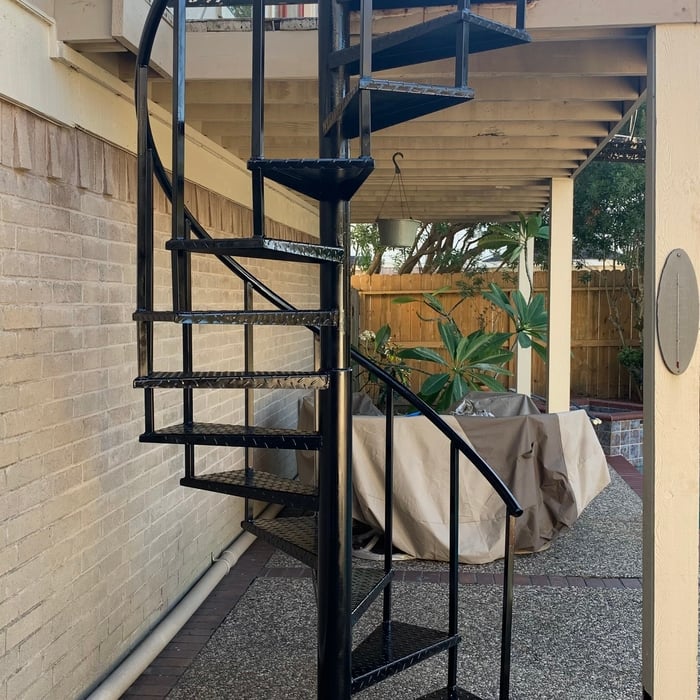
Spiral stairs

+3

Response time3 hrs
4 neighbors recently requested a quote
Recommended by100%of homeowners
...
Showing 1-10 of 469
Welding questions, answered by experts

Cutting round ductwork requires precision and the right tools. A duct cutter, specifically designed for circular ducts, is ideal. First, mark the cutting line on the duct using a measuring tape and pencil. Then, position the duct cutter's blade on the marked line. Apply steady pressure, rotating the cutter around the duct. The sharp blade creates a clean, precise cut. Alternatively, a reciprocating saw with a metal-cutting blade can be used for larger round ducts. Ensure the duct is securely held in place while making the cut to prevent slips and maintain accuracy.

The average cost for a welding project is about $300, with typical costs ranging from $125 to $490. However, prices can be as low as $125 for very small jobs or exceed $1,200 for large or complex projects. Welders typically charge an hourly rate between $65 and $150, depending on their experience, and many charge a minimum fee to cover overhead and travel expenses. The total cost is influenced by several factors, including labor, the cost of materials like metal rods and shielding gas, the type of metal being welded, the project's size and complexity, and your geographic location. For a precise quote, it's best to ask a local welder for an estimate based on your specific project.

Since water heaters are primarily made of metal, they’re commonly accepted by scrap yards and collectors. Don’t expect to fetch a high price, though—water heaters are mostly steel and aluminum, which aren’t high-value metals. Some components are made of more valuable metals, like brass and copper, but they’re a small portion of the heater and won’t affect the price much.

Yes, you can use a saw to cut metal pipes. The best saw to use is a reciprocating saw, but even a fine-tooth hacksaw can get the job done. No matter which saw you use to cut metal pipes, wear protective gear, like work gloves, safety goggles, and ear plugs. Apply a firm, steady pressure to the tool, and always ensure the pipes are secured so they don't move while you make the cuts.

Cutting rectangular ductwork requires careful measurements and the right technique. Use a measuring tape and pencil to mark the cutting lines accurately. Tin snips are excellent for straight cuts on smaller ducts. For more extensive or thicker rectangular ducts, a reciprocating saw with a metal-cutting blade is effective. 

Ensure the duct is well-supported and secure while cutting to prevent wobbling and maintain precision. After cutting, use a metal file to smooth any sharp edges, ensuring safety during installation. 

The Shenandoah, TX homeowners’ guide to welding services

From average costs to expert advice, get all the answers you need to get your job done.