


Top-rated welders.

Get matched with top welders in Houston, TX

Enter your zip and get matched with up to 5 pros

Need a pro for your welding project in Houston, TX?

Select your specific project to find the pro for you.

TRUSTED BY HOUSTON, TX HOMEOWNERS

  • Average homeowner rating star icon4.8
    Average homeowner rating
  • Verified reviews icon27
    Verified welding services reviews

Find Welders in Houston

F&G Custom Welding Co.
4.7(
8
)
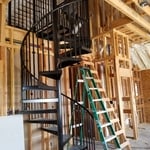
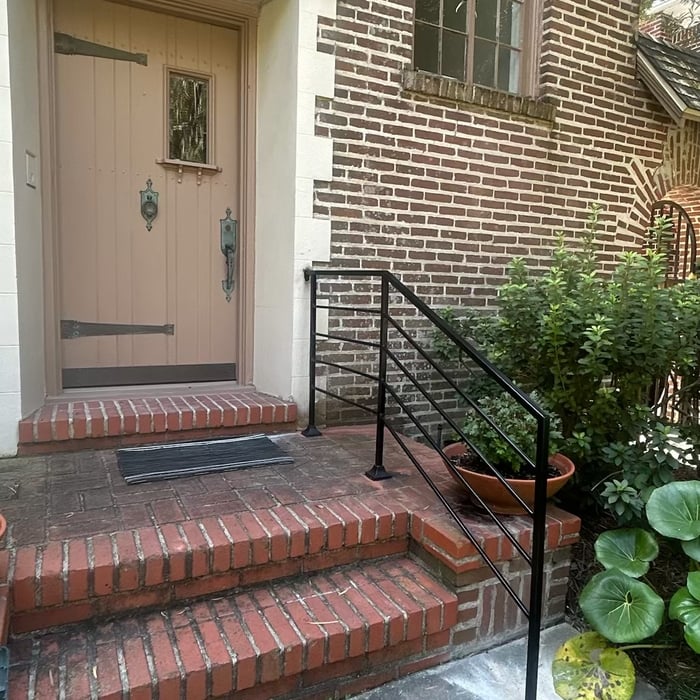
Metal Stairs and Railings - RepairSheet Metal and Ornamental Metal - FabricateWrought Iron Fence - Repair or Weld

Serving Houston, TX and surrounding areas

Approved

In business since 2017

Free estimates

Customers say: Quick response

Our staff at F&G Custom Welding ., has over 29+ years of experience. We are proud to guaranty all of our work to the finest quality. There is no job too big or too small that we cannot handle in a very timely manner. Please do not hesitate to call today.

Response time4 hrs
Response rate96%
Recommended by80%of homeowners
KC Fence & Iron Welding Works
4.6(
106
)
Wrought Iron Fence - Repair or WeldMetal Stairs and Railings - Repair

Serving Houston, TX and surrounding areas

Approved

In business since 2016

Free estimates

Warranties offered

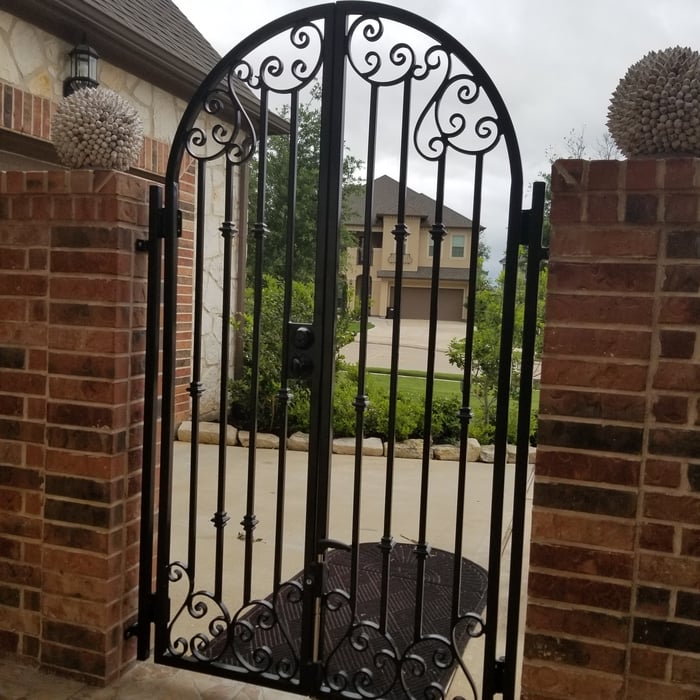
"The job was done the day after the quote. Mr. Odin was friendly, professional and did a great job. Price was very reasonable. His weld was very neat. I would use his services again. He had to install a new lock and weld the wrought iron gate."
KC FENCE AND IRON WELDING
stairs
Gates
KC FENCE AND IRON WELDING
Gate

+17

Response time9 hrs
32 neighbors recently requested a quote
Recommended by93%of homeowners
Avatar for Eric Peterson Metalworks
Eric Peterson Metalworks
5.0(
12
)
Metal Structure or Object - Weld or CutWrought Iron Fence - Repair or WeldMetal Stairs and Railings - Repair+4 more

Serving Houston, TX and surrounding areas

Approved

In business since 2017

Free estimates

Emergency services offered

"My privacy fence was out of alignment and could not be opened due to a sinking sidewalk. Eric removed, refurbished and reinstalled the affected section, rebuilding part of the lock. I am so relieved to have this fixed and amazed at the outcome!"
My jobs
My jobs
My jobs
My jobs
My jobs

+9

Response time8 hrs
14 neighbors recently requested a quote
Recommended by83%of homeowners

...
Showing 1-10 of 639
Welding questions, answered by experts

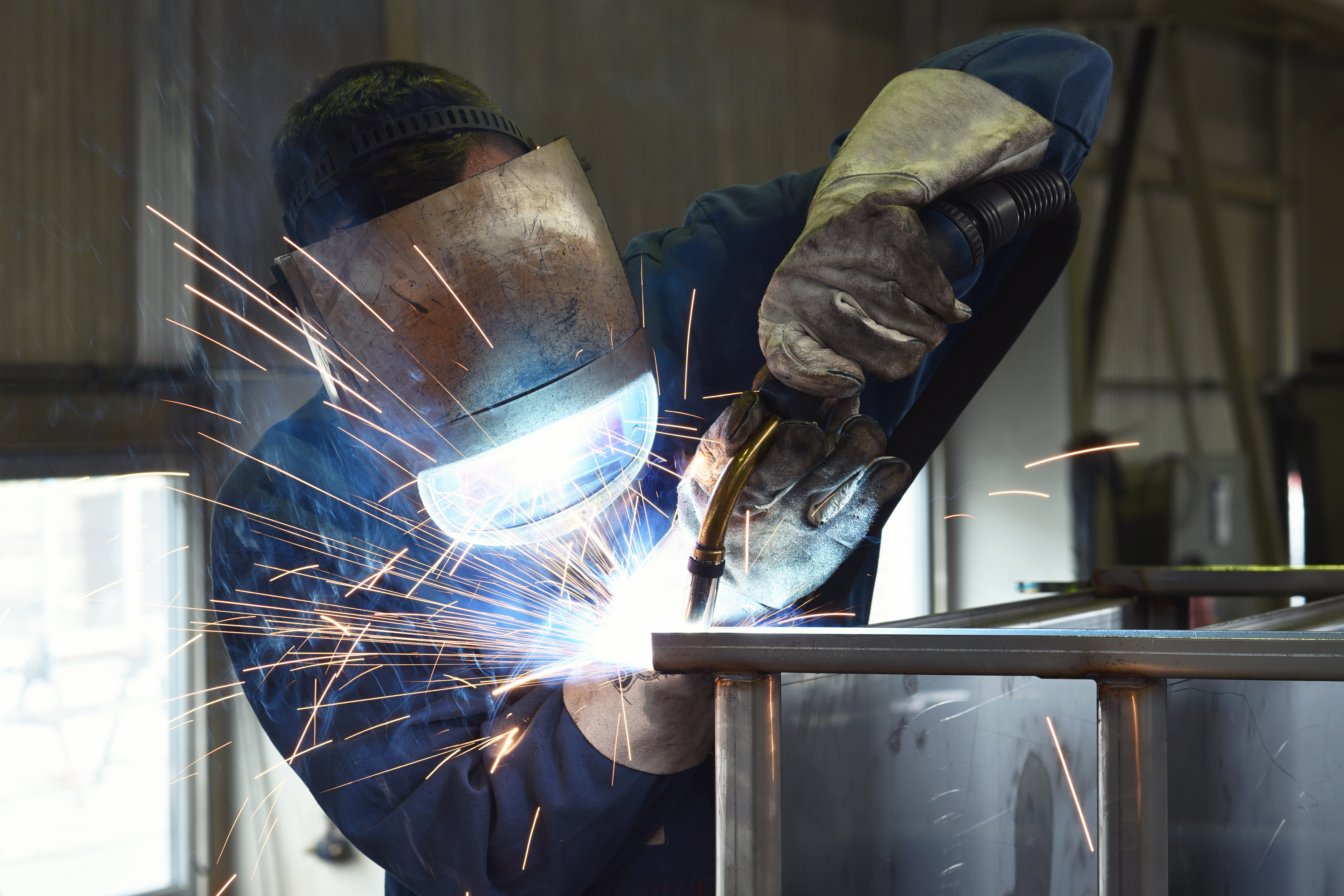
You should not do your own welding unless you have the proper training and experience. Most home electrical systems can only handle MIG welding, which creates weaker bonds than TIG welding and won’t work on certain metals or metal thicknesses. Both welding forms usually require the use of shielding gas, which can be dangerous to store at home. Additionally, welding machines create temperatures of over 3,000 degrees, and the sparks can blind you if you don’t have the proper equipment. As such, it’s usually better to hire a professional welder for your welding projects.

It will likely take an experienced pro less than an hour to install a ground rod, which is another reason why letting them handle the job is such a good idea. Safety concerns aside, it would likely take you much longer to install a ground rod if you decided to take this one as a DIY job.

Welders use a variety of methods in their trade. Different types of welding are better suited for different purposes and contexts. For example, stick welding is a versatile form suitable for most metals and alloys. The most common types of welding include:

  • Stick welding: $100–$1,000

  • Metal Inert Gas (MIG) welding: $250 and up

  • Tungsten Inert Gas (TIG) welding: $250 and up

  • Gas welding: $150 and up

  • Forge welding: $15–$25 per hour

Cutting rectangular ductwork requires careful measurements and the right technique. Use a measuring tape and pencil to mark the cutting lines accurately. Tin snips are excellent for straight cuts on smaller ducts. For more extensive or thicker rectangular ducts, a reciprocating saw with a metal-cutting blade is effective. 

Ensure the duct is well-supported and secure while cutting to prevent wobbling and maintain precision. After cutting, use a metal file to smooth any sharp edges, ensuring safety during installation. 

Yes, you can use a saw to cut metal pipes. The best saw to use is a reciprocating saw, but even a fine-tooth hacksaw can get the job done. No matter which saw you use to cut metal pipes, wear protective gear, like work gloves, safety goggles, and ear plugs. Apply a firm, steady pressure to the tool, and always ensure the pipes are secured so they don't move while you make the cuts.

The Houston, TX homeowners’ guide to welding services

From average costs to expert advice, get all the answers you need to get your job done.