Top-rated paving pros.

Get matched with top paving pros in Loving, NM

Enter your zip and get matched with up to 5 pros

Need a pro for your paving service project in Loving, NM?

Select your specific project to find the pro for you.

Find Paving pros in Loving

Avatar for Sangre De Cristo Paving & Excavating
Sangre De Cristo Paving & Excavating
4.2(
34
)

Serving Loving, NM and surrounding areas

In business since 1986

Free estimates

Emergency services offered

"Went GREAT! I got quotes from 3 different companies. Out of the 3 quotes I received Mike & Martins Asphalt & Paving was more professional, punctual and cost effective than the other 2. Another thing they did that stood out from the rest was the time they took to educate me on the whole process. Never having asphalt done before I had no idea what to expect. After meeting with Mike I felt very informed and comfortable moving forward with the project. The job is complete now and looks great! Mike called me a couple days after the project was done just to thank me one more time for my business. I don't usually take time to write reviews but these guys made a great impression. I highly recommend and would absolutely use them again in the future. Thanks"
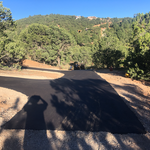
Additional Photos
Additional Photos
Additional Photos
Additional Photos
Additional Photos

+17

Recommended by92%of homeowners
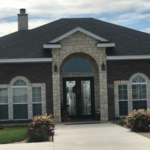
Ricardo Munoz Masonry Contractor
New to Angi

Serving Loving, NM and surrounding areas

In business since 2001

Free estimates

With over 40 years of experience in the masonry industry, we are the experts you need to take care of your home or business. Our company has had the pleasure of working on local homes to local government buildings. This experience has built us with the knowledge to handle projects like brick and stone work to home stucco siding. We always make sure to treat your home as we would treat our own because we want you to always remember our work. Give Munoz Ricardo, owner operator a call today, and we look forward to working with you!

Brick & Stone work
Brick & Stone work
Brick & Stone work
Brick & Stone work
Brick & Stone work

+15

Response time2 days
Paving Services questions, answered by experts

While blacktop is a type of asphalt, the terms should not be used interchangeably, as not all asphalt qualifies as blacktop. The primary differences are in their composition, production process, and ideal applications. Blacktop contains more stone than other types of asphalt and is heated to a higher temperature during production—300°F or more—while hot-mix asphalt is heated to between 275°F and 300°F. The ratio of bitumen (a tar-like crude oil) is a key differentiator, though sources vary: some state blacktop has less bitumen, making it less durable, while others claim it has a higher ratio. Due to these differences, asphalt is generally more durable and better for high-traffic areas like highways and streets, while blacktop is more suitable for playgrounds and residential driveways. For a driveway project, it is best to consult a professional to determine the most appropriate material.

Your city or county will have guidelines about the minimum and maximum width and length of private roads. The average private road is 12 feet wide, and length, of course, depends on your property. Requirements also depend on the amount of traffic and types of vehicles your road experiences. Check with local ordinances before planning a road on your property.

The material that’s best for your private road depends on your property, the climate in your area, and your personal preferences. Gravel is an affordable option, but some homeowners don’t like how it looks. It can be a pain to remove snow from, and it requires more ongoing maintenance than asphalt or concrete. However, while these other options require less maintenance and make snow removal a breeze, they’re more expensive and will need repairs from time to time. Ultimately, you’ll have to choose the road material that suits you and your property best.

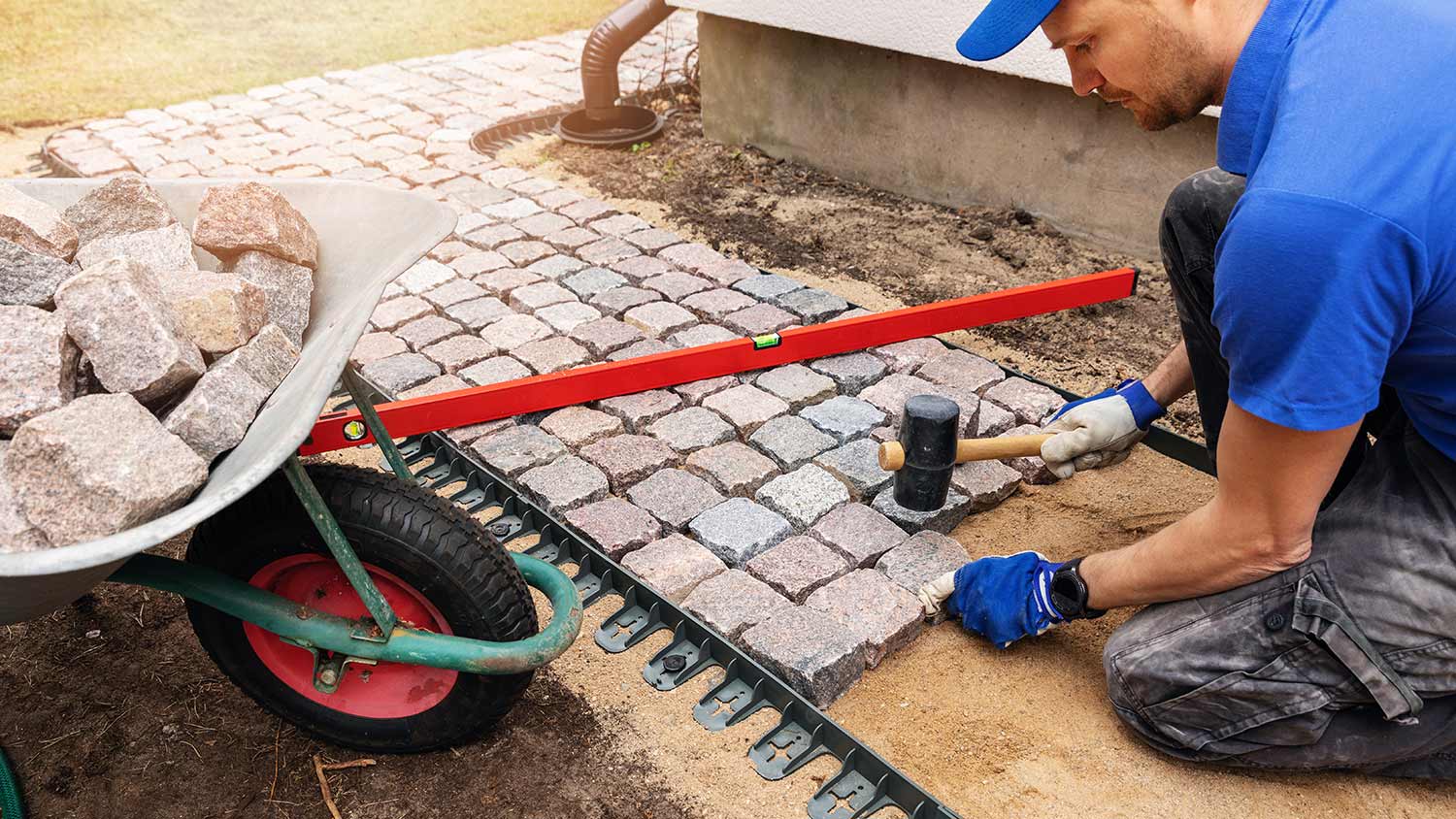
The best way to stop your pavers from sinking is to ensure you've properly compacted the base layers. Use your paver compactor and work over the base layer several times to create the hardest possible base. If the soil and sand of your base are compact, you’ll experience less shifting and sinking.

Generally speaking, tiles are for indoor use, while pavers are for outdoor use. The main difference between travertine tiles and pavers is their thickness. Tiles are around 1/2 inch thick, and pavers are 1 1/4 inches to 2 inches thick.

Pavers are more rugged and can handle different weather. The extra thickness on pavers also makes them ideal for high-traffic areas.

The Loving, NM homeowners’ guide to paving services

From average costs to expert advice, get all the answers you need to get your job done.