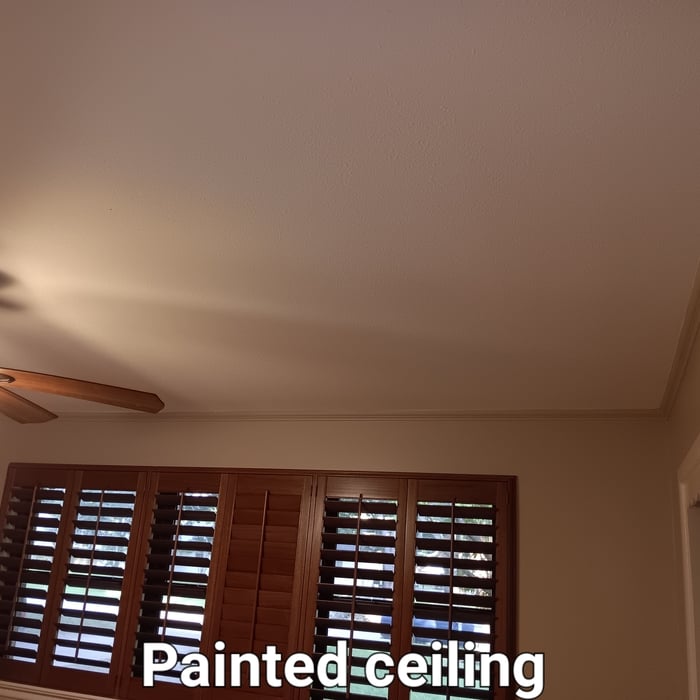




Top-rated drywall pros.

Get matched with top drywall pros in Decatur, TX

Enter your zip and get matched with up to 5 pros

Need a pro for your drywall service project in Decatur, TX?

Select your specific project to find the pro for you.

TRUSTED BY DECATUR, TX HOMEOWNERS

  • Average homeowner rating star icon4.1
    Average homeowner rating
  • Verified reviews icon18
    Verified drywall services reviews

Find Drywall pros in Decatur

Avatar for SJ INTERIOR REMODELING, LLC
SJ INTERIOR REMODELING, LLC
5.0(
10
)
Drywall - InstallDrywall - Install - For Business

Serving Decatur, TX and surrounding areas

Approved

In business since 2020

Free estimates

Warranties offered

"Santiago was very professional and did an excellent job repairing and painting our drywall and replacing our baseboards. He answered our inquiry promptly and was available right away. His pricing was also very reasonable. Definitely recommend him!"
My work
My work
My work
My work
My work

+18

Response time6 hrs
5 neighbors recently requested a quote
Recommended by100%of homeowners
Avatar for Flying W Contracting
Flying W Contracting
New to Angi
Drywall - RepairDrywall - Repair - For Business

Serving Decatur, TX and surrounding areas

Approved

In business since 2021

Free estimates

Small jobs welcome

We pride our company on reliability, great communication, integrity, and quality work. We are experts in our trade! We will always do our best to keep you as educated as we can on your particular task or project. We look forward to earning your business! Call us anytime!

...
Showing 1-10 of 172
Drywall questions, answered by experts

There are six levels of drywall finish, from 0 to 5, that refer to the amount of work performed during the finishing process.

Level 0: Drywall is hung with no finishing work.

Level 1: Tape is placed over the seams between drywall sheets.

Level 2: A thin layer of mud is applied over the tape and screw holes. This level is common for utility rooms or walls that will be covered.

Level 3: A full coat of mud covers the screw holes and tape, but the surface is not sanded. This is often used in garages.

Level 4: This is the most common finish for visible interior walls. It involves applying two coats of mud over seams and screw holes, with sanding between each coat, creating a smooth surface ready for flat paint.

Level 5: This is a high-end finish for luxury homes. It includes full taping, mudding, and sanding, plus a final skim coat over the entire surface before painting.

Venetian plaster is a highly durable wall finish that becomes a rock-like substance once dried, making it last longer than most other wall finishes. Its lifespan can range from decades to centuries, potentially lasting a lifetime. Key factors influencing its longevity include the quality of the initial application, whether it's properly sealed against moisture, and how the wall is maintained and treated (e.g., how often it is touched or bumped). Due to its mineral content, it can also develop a patina over time.

Yes, applying a texture can hide minor imperfections and irregularities in drywall, but it will not cover significant damage like nail marks or screw holes. The best texture depends on the size of the flaws. For minor imperfections, popular choices like orange peel, sand, or popcorn texture are effective. For larger imperfections, you may need a more prominent style, such as a knockdown or trowel finish, to conceal them effectively.

Although they are used for similar tasks, spackle and joint compound are not the same. Joint compound, also known as drywall mud, consists of limestone and gypsum and is primarily used for large-scale projects like taping and finishing seams on new drywall. Spackle is composed of gypsum and binding agents, making it a thicker compound best suited for small wall repairs like filling nail holes or cracks, as it dries quickly and is easy to sand. For small repairs, either product can be suitable. However, you can use joint compound for small jobs in place of spackle, but you cannot use spackle for large-scale taping and mudding projects.

You can put certain types of plaster over other types, but doing so isn't always the best idea. For example, putting a coat of gypsum over lime plaster is possible, but doing so will limit the lime plaster's breathability and potentially affect its performance.

Since cement plaster tends to leave a textured surface, no matter how much you smooth it, some people prefer to use gypsum plaster as a topcoat over cement plaster, creating a smoother surface.

The Decatur, TX homeowners’ guide to drywall services

From average costs to expert advice, get all the answers you need to get your job done.