





Top-rated excavation pros.

Get matched with top excavation pros in Center Point, TX

Enter your zip and get matched with up to 5 pros

Need a pro for your excavation project in Center Point, TX?

Select your specific project to find the pro for you.

TRUSTED BY CENTER POINT, TX HOMEOWNERS

  • Average homeowner rating star icon4.5
    Average homeowner rating
  • Verified reviews icon39
    Verified excavation services reviews

Find Excavation pros in Center Point

Avatar for Viking Water Well, LLC
Viking Water Well, LLC
4.3(
11
)
Landscape - Minor Grading or Resloping

Serving Center Point, TX and surrounding areas

Approved

In business since 2021

Free estimates

Emergency services offered

"I called viking water well to.replace my pump and they came out immediately and took care of everything I needed in a timely manner very professional and explained everything to me.very well also they were very cost efficient!!! 100% satisfied thank you viking waterwell for getting me out of a bind"
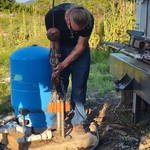
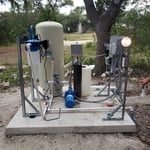
Pump replacement
Filtration
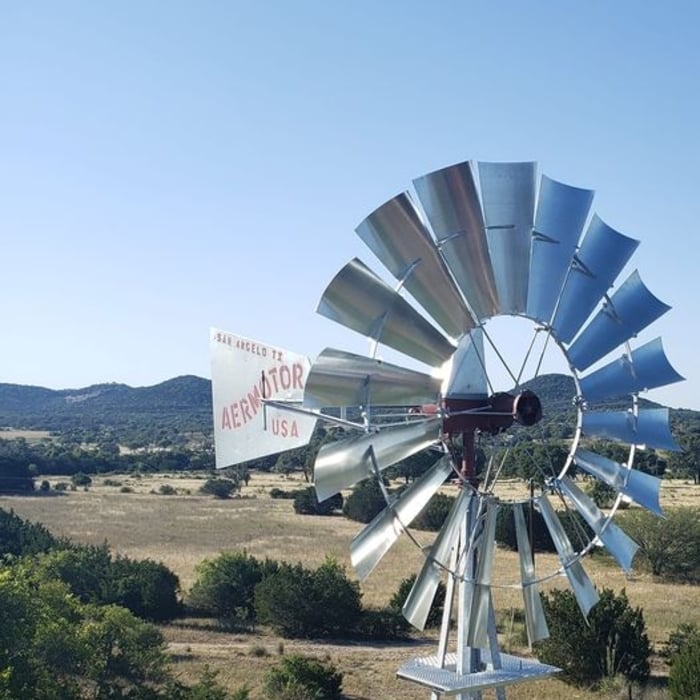
Windmills
windmill
windmill

+7

Response time4 hrs
Recommended by72%of homeowners
Avatar for ESC Services
ESC Services
5.0(
1
)
Landscape - Minor Grading or Resloping

Serving Center Point, TX and surrounding areas

Approved

Free estimates

Emergency services offered

Small jobs welcome

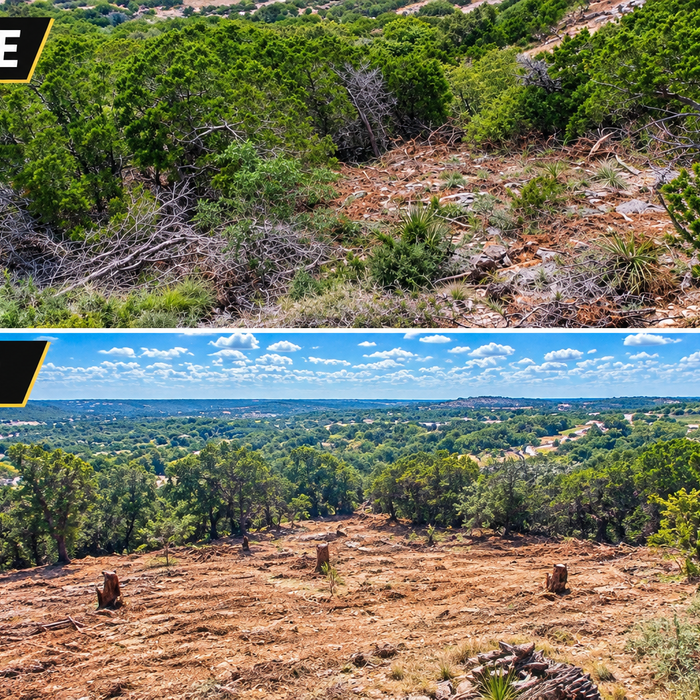
ESC Services is your lifetime property solution partner. We offer a wide range of services for your property from material removal and demolition to land clearing and site prep. We welcome all projects big or small.

7 neighbors recently requested a quote
...
Showing 1-10 of 127
Excavating questions, answered by experts

Excavation is priced in cubic yards, so you’ll need to find the volume of the area in order to calculate costs. Multiply the length, width, and proposed depth of your excavation site, then convert it into yards to get the volume. Multiply this figure by the price per cubic yard.

Most homeowners can measure by hand to get a rough estimate, even if it’s tedious. You may want to pull out a tape measure or use a string to help mark the area.

Downspouts should be buried at least 5 to 10 feet away from your foundation. This can vary depending on your local building codes, soil type, and property slope. The main goal is to ensure water is directed away from your foundation.

No, you typically cannot use metal detectors to find your sewer line. Most sewer lines are made of non-metallic materials such as PVC, clay, or cast iron, which are not detectable by standard metal detectors. Metal detectors are designed to locate metallic objects, so they won't be effective for identifying the path of a non-metallic sewer line. To locate your sewer line accurately, it's best to use other methods.

If you don’t wish to dig it out and convert it into a finished basement, you can still encapsulate your crawl space to protect it from damage for an average cost of $5,500. Finishing a crawl space beyond this isn’t really worthwhile, as the low ceilings mean you won’t be able to use the area as living space.

Trenches are typically 12 to 24 inches deep and 8 inches wide. However, the required depth depends on the specific project and local ordinances. For example, a French drain may need to be 18 inches deep, while a water pipe might require a depth of 24 inches and a drainage pipe 36 inches. Your city or county may have specific regulations, so it's wise to consult with an excavation professional to determine the correct depth for your project.

The Center Point, TX homeowners’ guide to excavation services

From average costs to expert advice, get all the answers you need to get your job done.