



Top-rated drywall insulation pros.

Get matched with top drywall insulation pros in Austin, TX

Enter your zip and get matched with up to 5 pros

Need a pro for your drywall insulation project in Austin, TX?

Select your specific project to find the pro for you.

TRUSTED BY AUSTIN, TX HOMEOWNERS

  • Average homeowner rating star icon4.6
    Average homeowner rating
  • Verified reviews icon477
    Verified drywall insulation services reviews

Find Drywall insulation pros in Austin

Avatar for Milo Insulation of Texas - Rockdale
Milo Insulation of Texas - Rockdale
4.9(
74
)
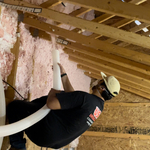
Blown-In Insulation - Install or Upgrade

Serving Austin, TX and surrounding areas

Approved

In business since 2000

Free estimates

Warranties offered

"We had them remove the old insulation and replace with Milo insulation. We have noticed a reduction in our bill and the air in the house seems to feel fresher & cleaner. From the start of the process to the finish it was very professional and smooth. We would highly recommend them."
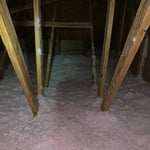
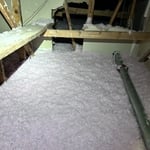
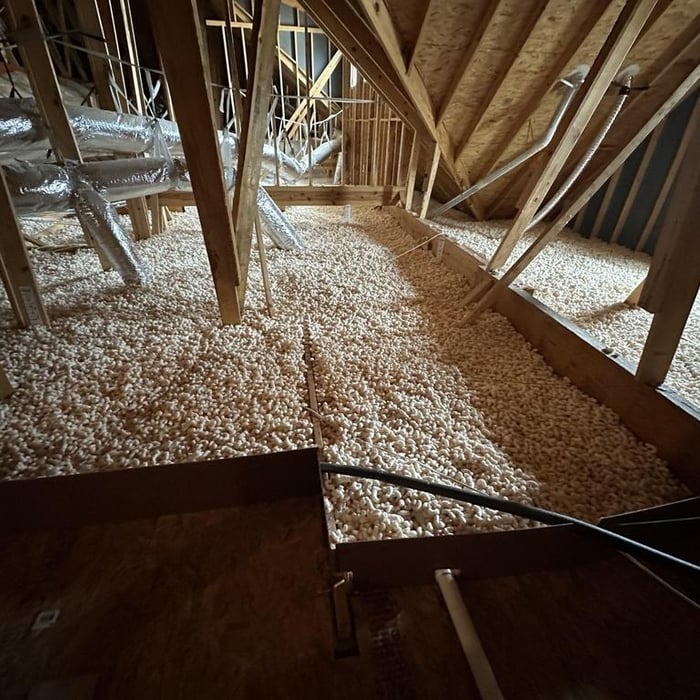
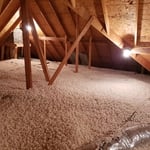
Attic with MILEX installed
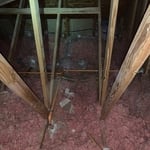
New MILEX Install
Attic Walkways & Decks

+5

Response time2 days
Response rate100%
8 neighbors recently requested a quote
Avatar for Koala Insulation of Texas Hill Country
Koala Insulation of Texas Hill Country
5.0(
12
)
Blown-In Insulation - Install or UpgradeInjection Insulation - Install

Serving Austin, TX and surrounding areas

Approved

In business since 2022

Free estimates

Warranties offered

"I would recommend this contractor for any one wanting spray foam insulation . Their work is impeccable. Cleanup was followed by moving all the appliances back into the shed that we had moved out to not be in their way unasked. Go with these guys they are good."
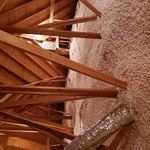
Batt Rolled in Insulation
Spray Foam Insulation
Blown In Insulation
Response time10 mins
Response rate100%
20 neighbors recently requested a quote
Hawx Insulation-Austin
4.1(
361
)
Blown-In Insulation - Install or Upgrade

Serving Austin, TX and surrounding areas

Approved

In business since 2013

Free estimates

Credit card accepted

At Hawx Pest Control, our company is based on the belief that our customers' needs are of the utmost importance. Our team is committed to meeting those needs. Hawx Premium Pest Control will treat your pests, mosquitos, and more- then keep them away for good. If pests come back between treatments so will we, at no additional cost to you. We welcome the opportunity to earn your trust and deliver you the best service. No job is too big or too small for our experienced team. Call today for a quote. \n

Recommended by75%of homeowners
...
Showing 1-10 of 166
Drywall Insulation questions, answered by experts

The two most common drywall thicknesses for ceilings are 1/2-inch and 5/8-inch. For most standard residential applications, 1/2-inch drywall is sufficient and widely used. It provides adequate support and is lighter and easier to handle during installation compared to thicker sheets. However, 5/8-inch drywall is often used for specific cases where additional benefits are needed. It is heavier but provides superior sound dampening and fire resistance. You should consider using 5/8-inch drywall for ceilings in commercial buildings, between a garage and a living space, or above a finished basement to meet building codes or for enhanced soundproofing.

In most cases, plaster repair will improve your home’s energy efficiency because a solid barrier of the insulative material helps keep conditioned air inside your home. Major plaster repair jobs like repairing large cracks or crumbling sections of plaster or applying a skim coat might make a noticeable difference in your heating and cooling bills. Not only can plaster repairs improve efficiency, but they can also reduce strain on your HVAC equipment, potentially saving you money on maintenance and repairs.

To properly clean and maintain your skip trowel drywall texture, dust the surface weekly with an electrostatic duster or vacuum with a soft brush attachment. Never scrub the surface. You can remove stains by gently applying a mild detergent solution with a paint roller, removing it with a damp roller, and drying with a dry roller. To cut down on cleaning frequency, avoid indoor smoking and limit the use of fireplaces.

A common cause of separation between a wall and the ceiling is truss lift—this can happen to the ceiling of rooms directly under the attic when the seasons change and wood building materials dry out, shrink, and shift. Roof trusses often dry out at different speeds, and if the bottom pieces dry out faster than the top pieces, they can shrink and pull the attached drywall away from ceilings and walls, causing cracks. Fortunately, truss lift is only a cosmetic problem, not a structural problem, and you can fix it by separating the ceiling drywall from the roof trusses, and patching the cracks.

The short answer is yes, a sagging plaster ceiling is dangerous. Sagging plaster on a wall is something you should fix immediately, but it isn’t a major concern. If the same type of sagging occurs on a ceiling, however, you could be in danger of your ceiling falling in large chunks. When plaster sags, it loses its strength and ability to hold itself up. The bonds that hold it together are strong, though, so if a sagging area falls, it will take large pieces down with it.

The Austin, TX homeowners’ guide to drywall insulation services

From average costs to expert advice, get all the answers you need to get your job done.