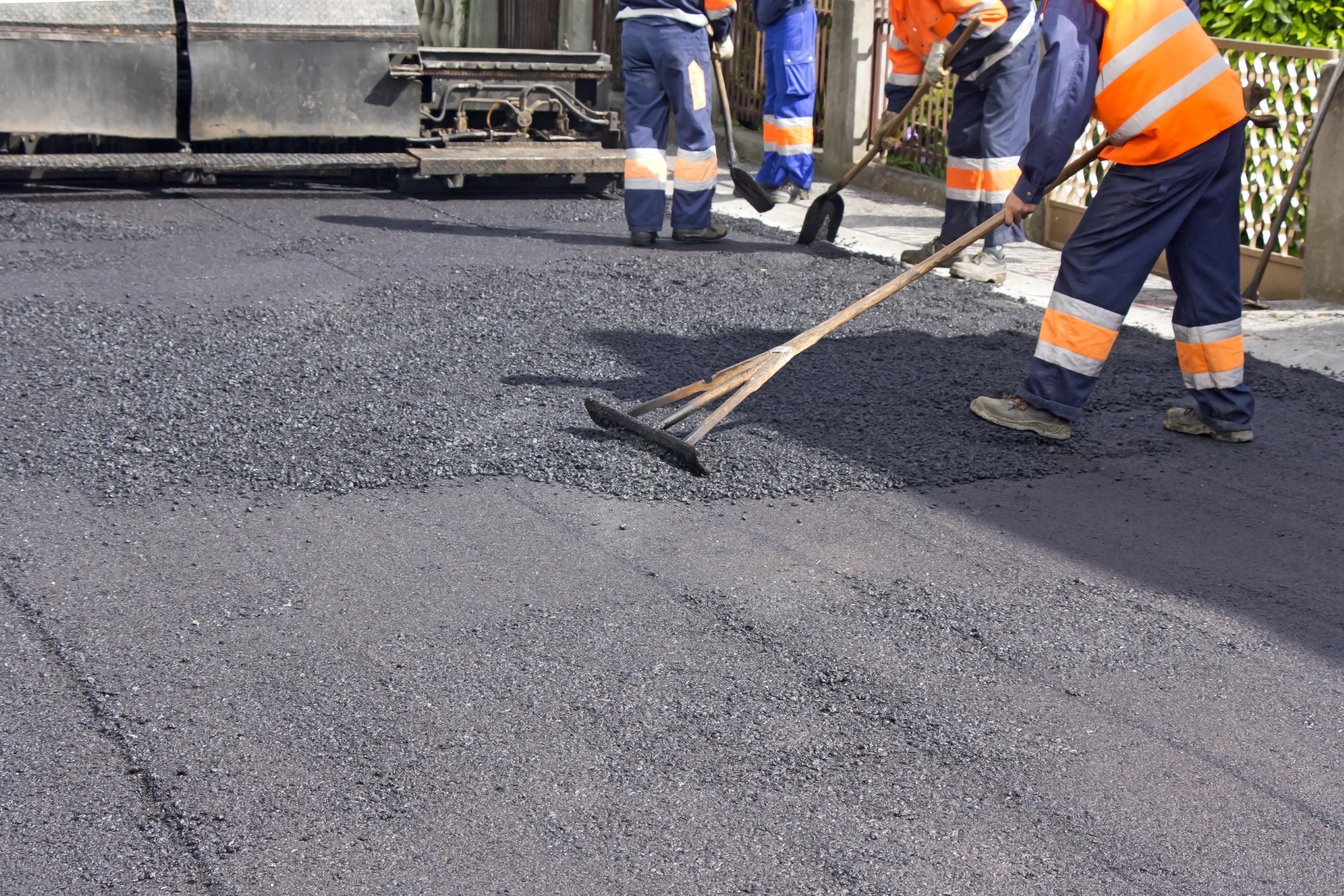
"Their work was very good, so good that I kept adding more work for them to do. They were kind and courteous and strived to achieve the best possible work. Their work ethic and price were exceptionaly honest and fair. If I have more work in the future I will definitely hire them again."
Installing a walkway to your home can add value, as it can make your landscaping look more intentionally designed and boost your overall curb appeal. In addition, walkways can be installed with accessibility in mind, which can be helpful for those with mobility issues or who need a wheelchair.
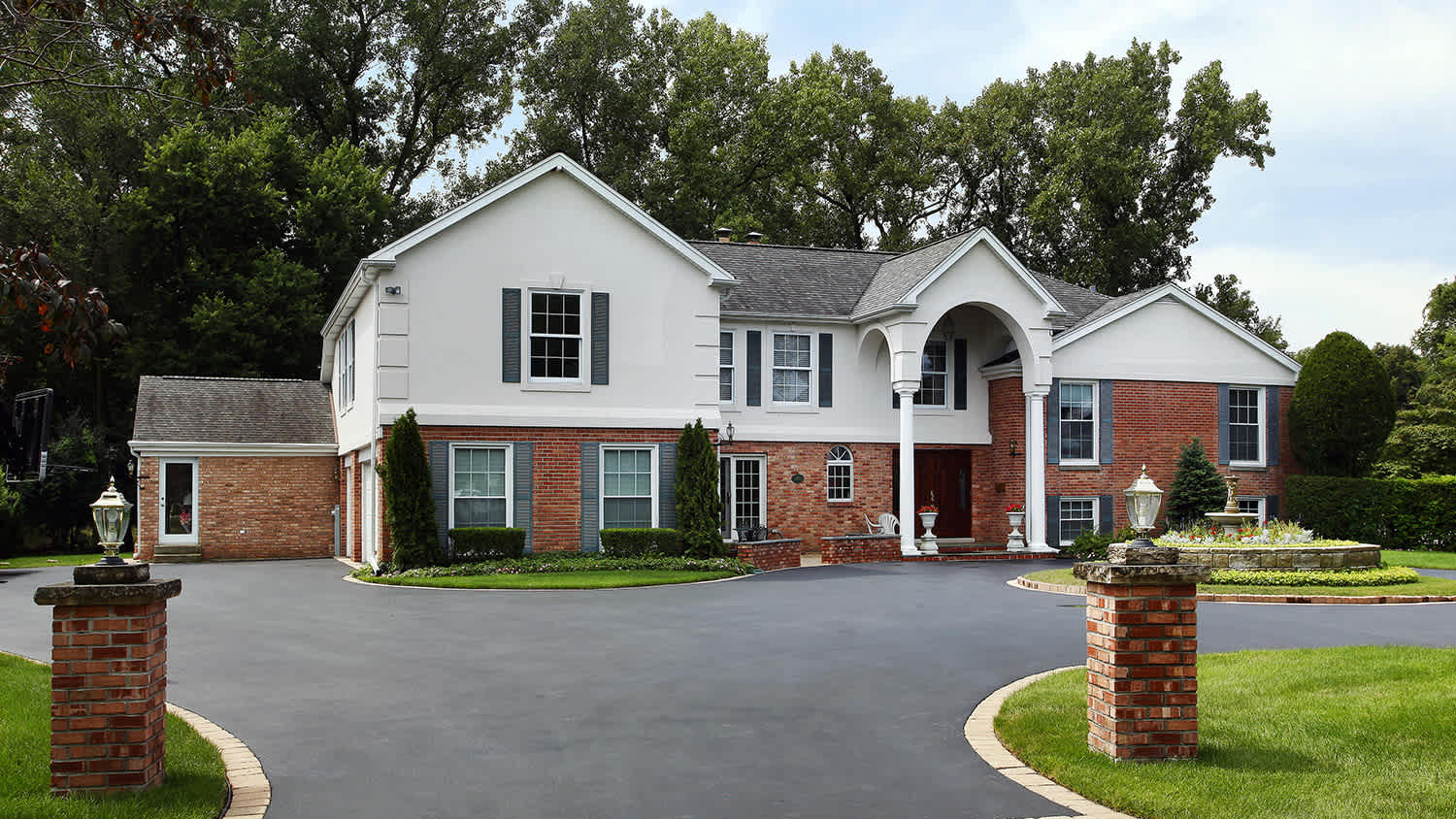
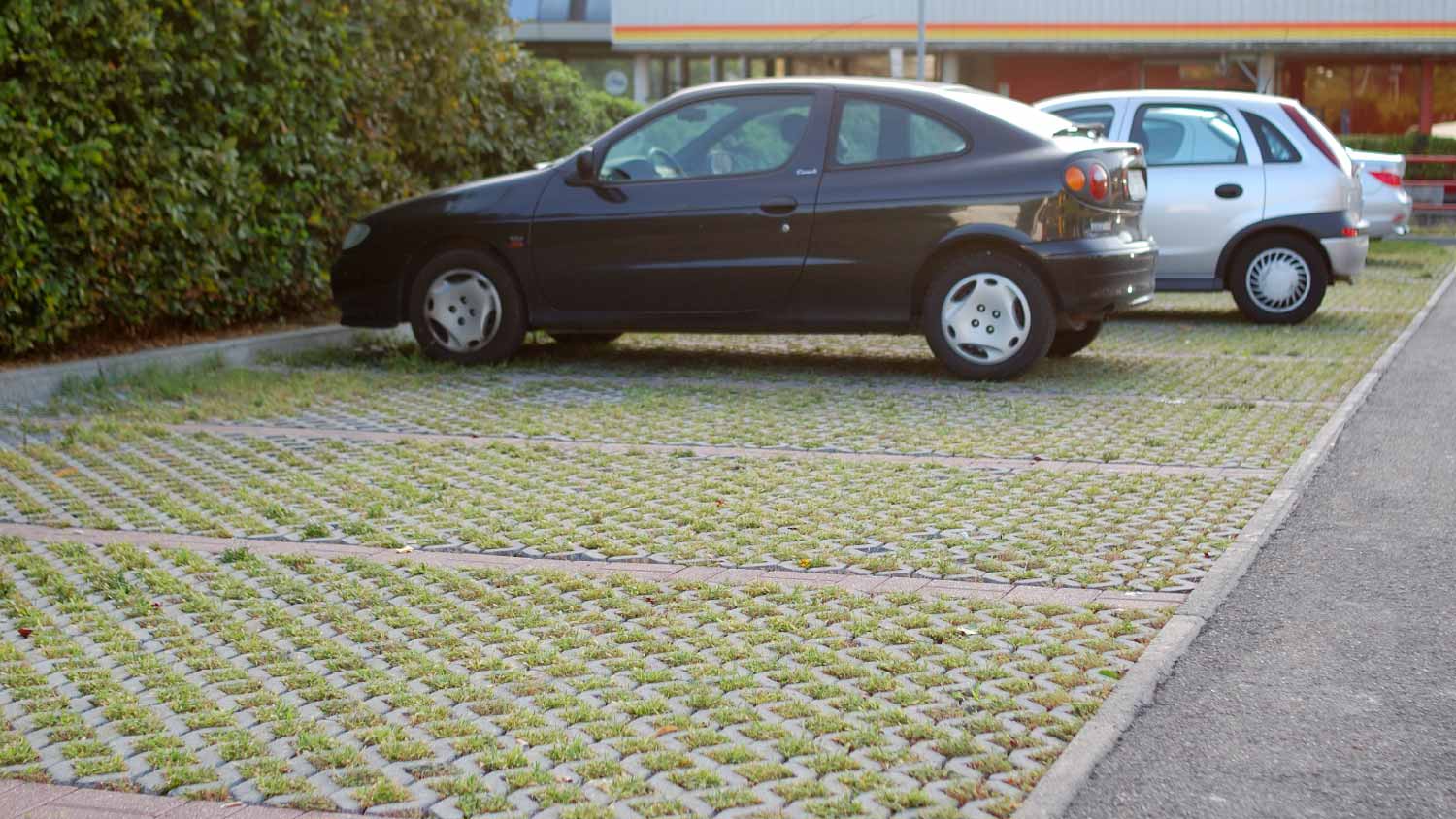
The most obvious disadvantage of permeable paving is that the cost is typically higher compared to non-permeable concrete, pavers, or asphalt methods. Also, the porous material can get clogged with dirt and debris, requiring cleaning and power washing more frequently than standard paving materials and methods. Although permeable paving is not ideal for highways, airports, and other surfaces supporting heavy traffic and machinery, it is suitable for regular residential driveways.
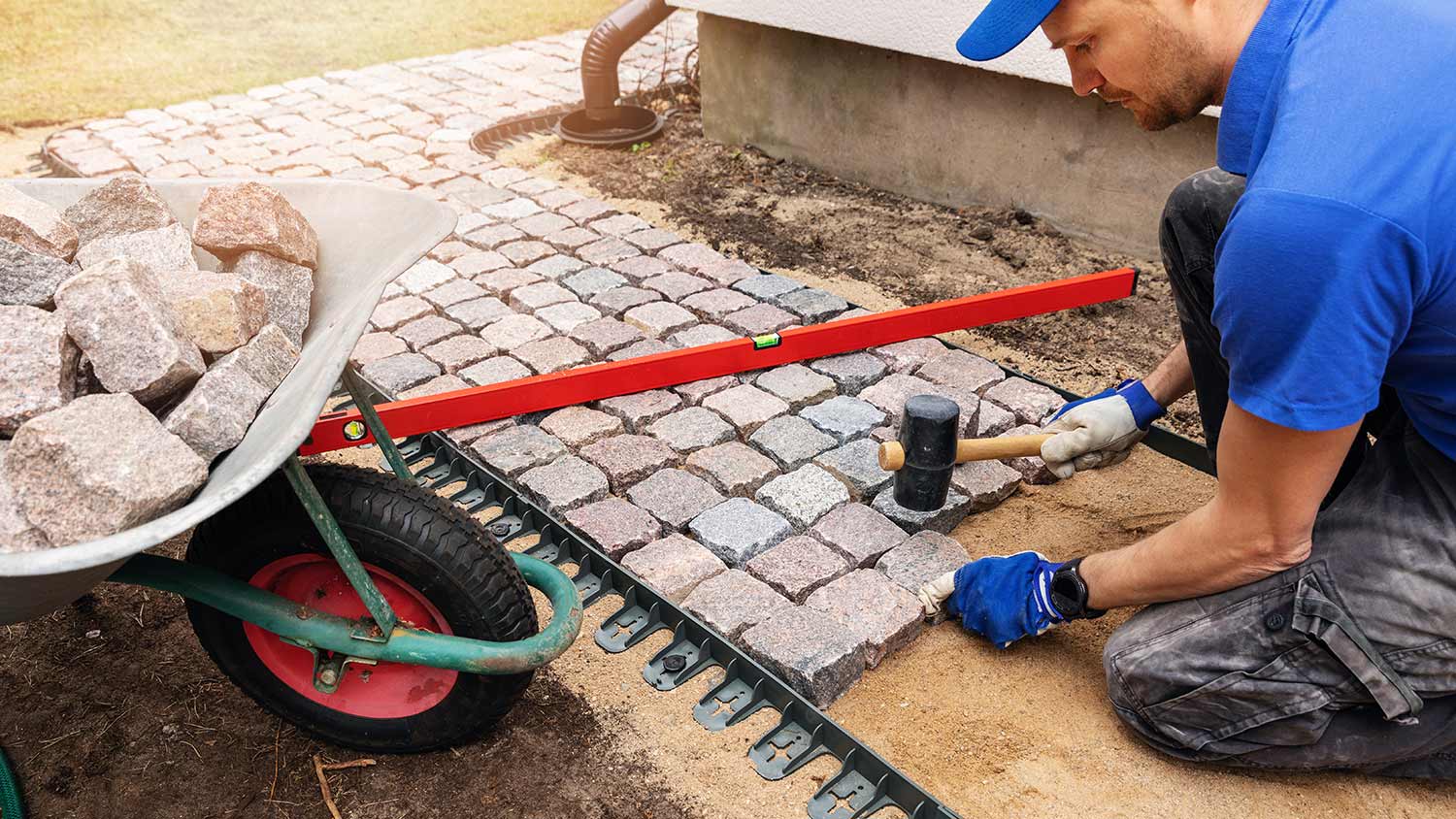
The recommended minimum amount for a paver base is 4 inches. From there, it depends on the kind of traffic the pavers will see and the current soil conditions. Two inches of paver base won’t create the amount of stability and support that pavers need to remain securely in place over time.
The stones do not work well on uneven ground. If the stones are not buried into the ground and made level upon installation, they almost certainly will shift or crack on uneven ground. Additionally, rainwater or water from sprinklers can run under the edge of an uneven paver, causing erosion. In a freeze and thaw cycle, trapped water under the paver can cause the problem to worsen by shifting the stepping stones around. Use a bubble level to make sure the ground under each paver is as even as possible, even if the nearby ground is uneven.
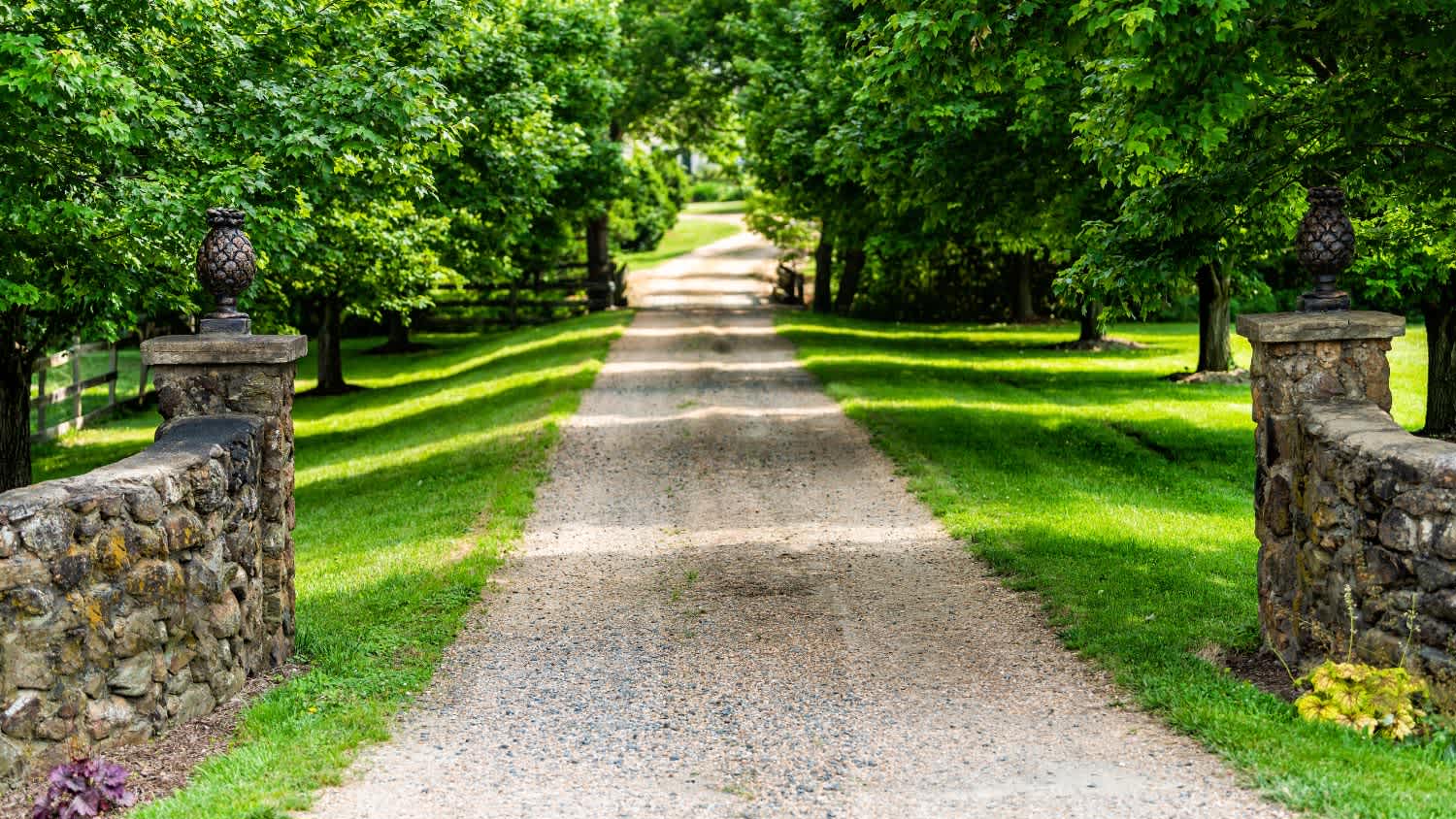
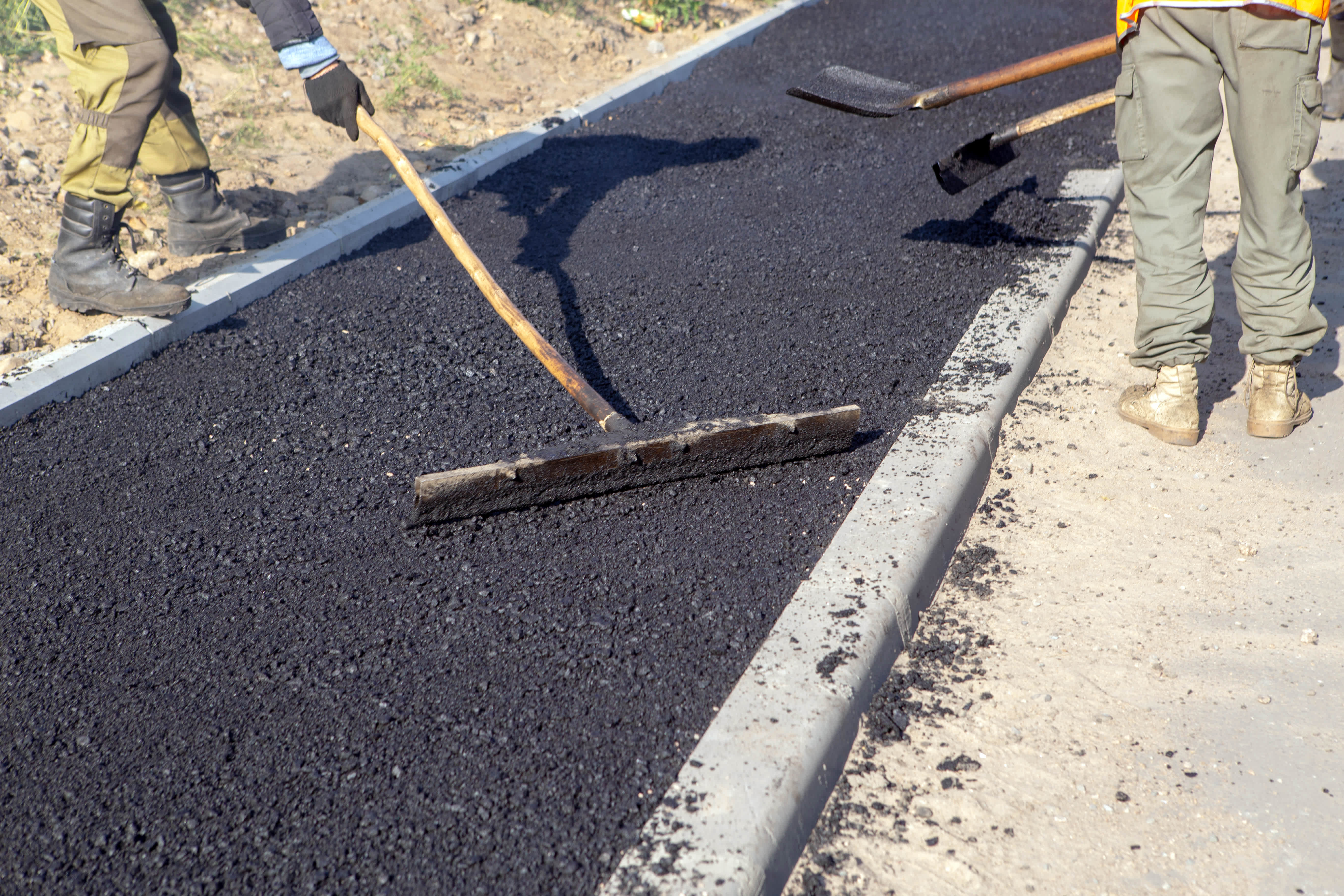
Chip seal layers gravel and a liquid bitumen one at a time on-site, while asphalt directly pours a pre-combined mixture. Asphalt must be sealed, but it will last up to four times as long as chip seal driveways. Aesthetically, chip seal has a natural, rustic look compared to the traditional asphalt slab.
The Cherry Creek, SD homeowners’ guide to paving services
From average costs to expert advice, get all the answers you need to get your job done.
The cost of a tar and chip driveway falls between gravel and asphalt. Is this unique process the happy medium you've been looking for? Let's take a look.
Get proactive with marketing for your paving contractor business. Use these paving marketing ideas (ranked by budget and experience level) to grow your business, get more leads, and earn more money.