We are a locally owned and operated company that values honesty, integrity and treats your home as if it were our own. We offer a variety of general contractor services that are customizable to each individual project. You will find us to be competitively priced, paying close attention to the details of each and every project that we are involved with. We look forward to building lasting relationships and guarantee your satisfaction!
Welcome to Tylers Landscaping and Construction! We take pride in the quality of work and customer satisfaction that we give each and every customer! We are known to pay exquisite attention to detail while making customer satisfaction our top priority. Call us today to learn more about how we can help you!
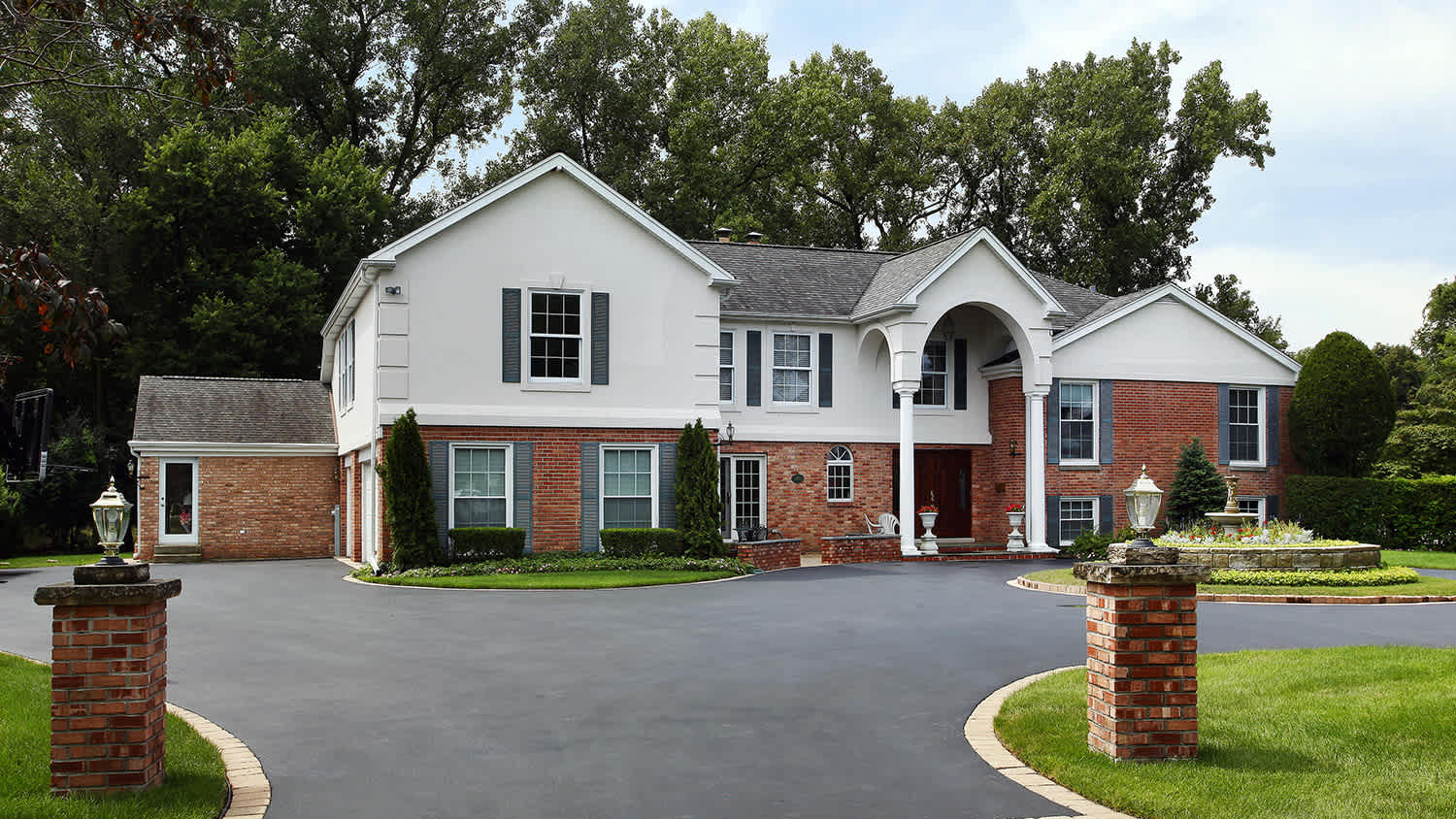
Yes, a paved or repaved driveway can boost your home's value by increasing its curb appeal and the functionality of your outdoor space. A new driveway can add anywhere from $5,000 to $20,000 to a property's value. An old, crumbling driveway can be a red flag for potential buyers and inspectors.
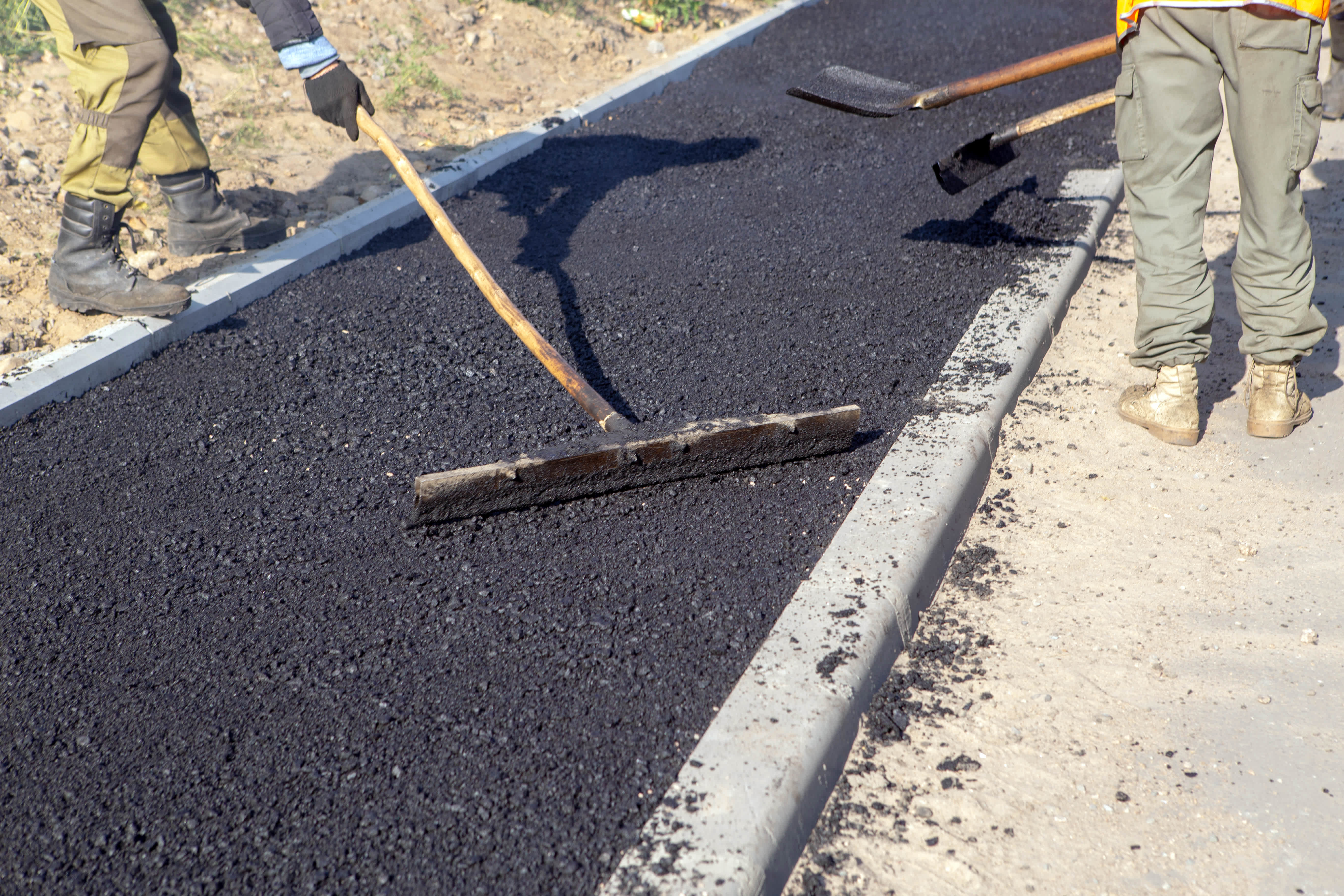
The amount of value added depends on the materials used, the design, and local market conditions. Concrete is often cited as adding the most value due to its long lifespan, though asphalt may be more desirable in colder climates. The return on investment is greatest when replacing a driveway that is in poor condition; repaving a driveway that is already in good shape will not yield as significant an increase in value.
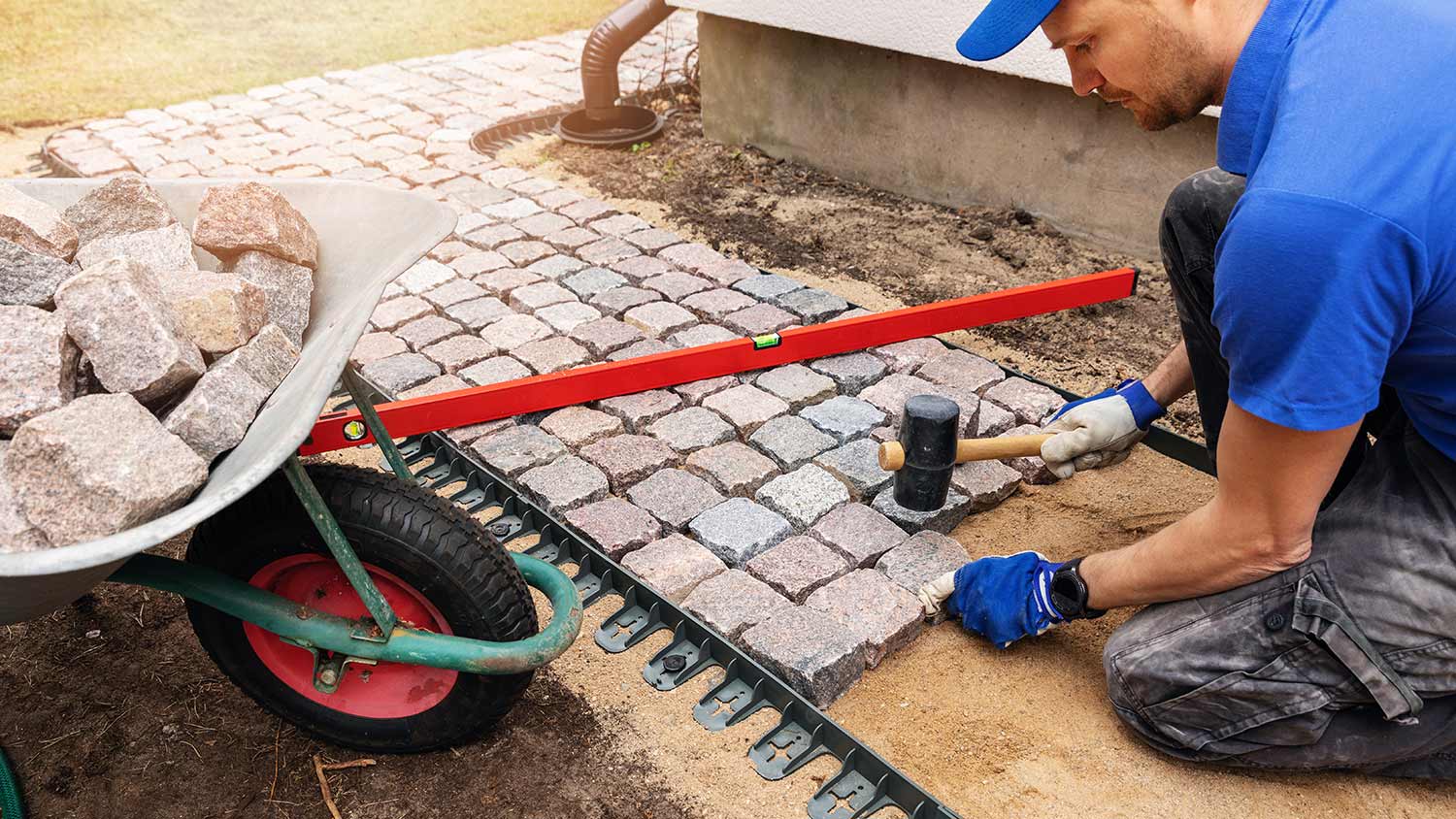
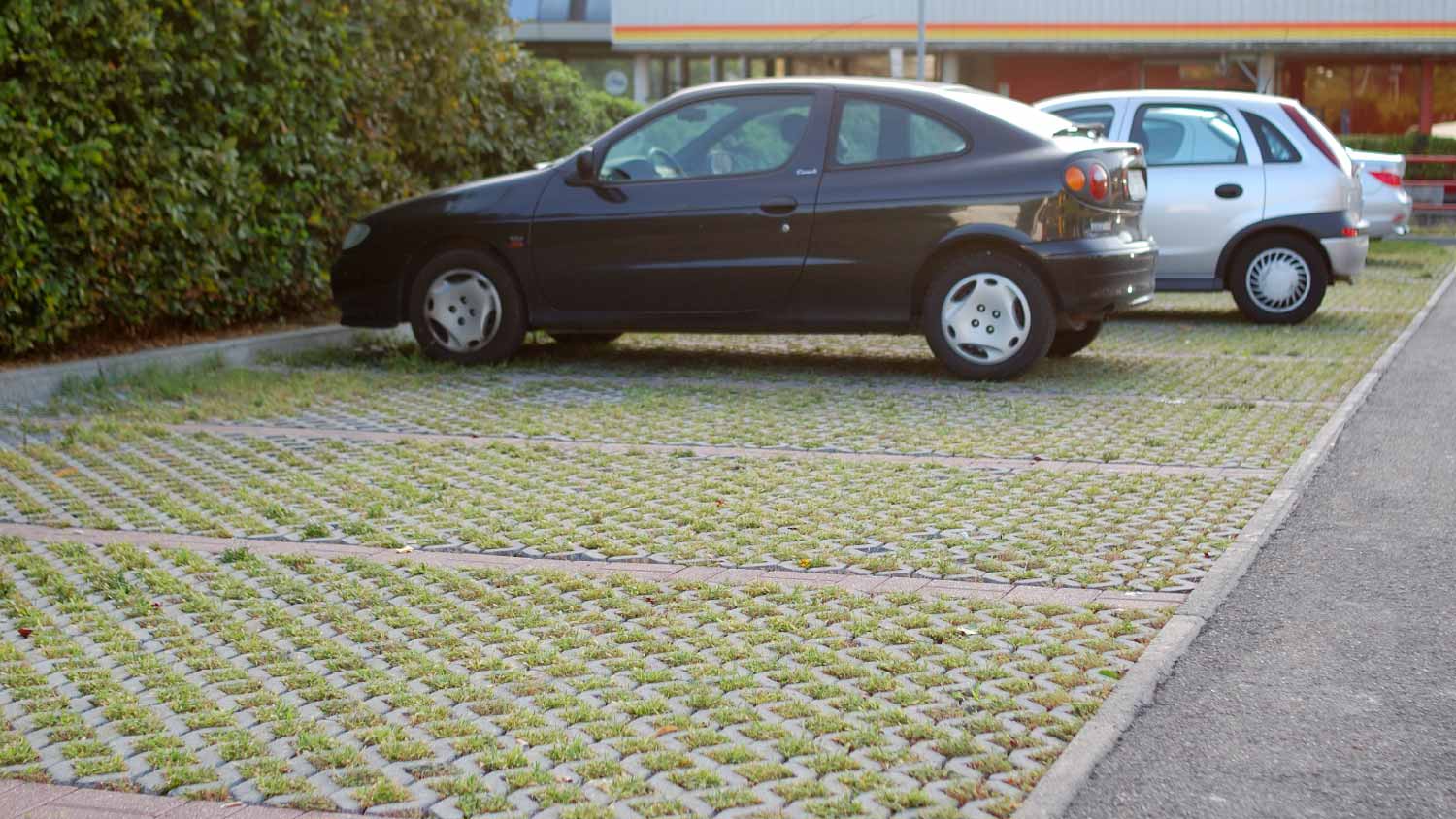
Pavers are a type of permeable hardscape that can be used for driveways, patios, walkways, and other landscaping features. Unlike poured concrete or asphalt, pavers typically have a layer of gravel underneath to prevent water runoff from damaging your property—though you can also lay pavers on grass. Because pavers are installed piece by piece, you can customize a one-of-a-kind hardscape that best suits your aesthetics, boosting your curb appeal along the way.
It is possible to DIY complete hardscaping projects, but in most cases, hiring a professional is best to get the job done correctly. Hardscaping—including installing patios, decks, retaining walls, walkways, and water features—is challenging and time-consuming, so the money you spend on a professional is typically worth it. Not only will the quality be better, but you could avoid problems that come along with a lack of hardscaping experience, like drainage issues that can lead to costly foundation damage and leaks in your home.
You can pour concrete over asphalt if it’s in good condition, thick, stable, and well-compacted. Concrete is more durable than asphalt and can extend the lifetime of your driveway without having to pay frequent asphalt driveway repair costs or replace it completely.
But this is best reserved as a temporary solution based on budget restraints, as asphalt requires more frequent repairs and assessments than concrete. Once that concrete top is poured, it’ll be harder to accurately understand what’s happening beneath that layer, which could lead to more issues.
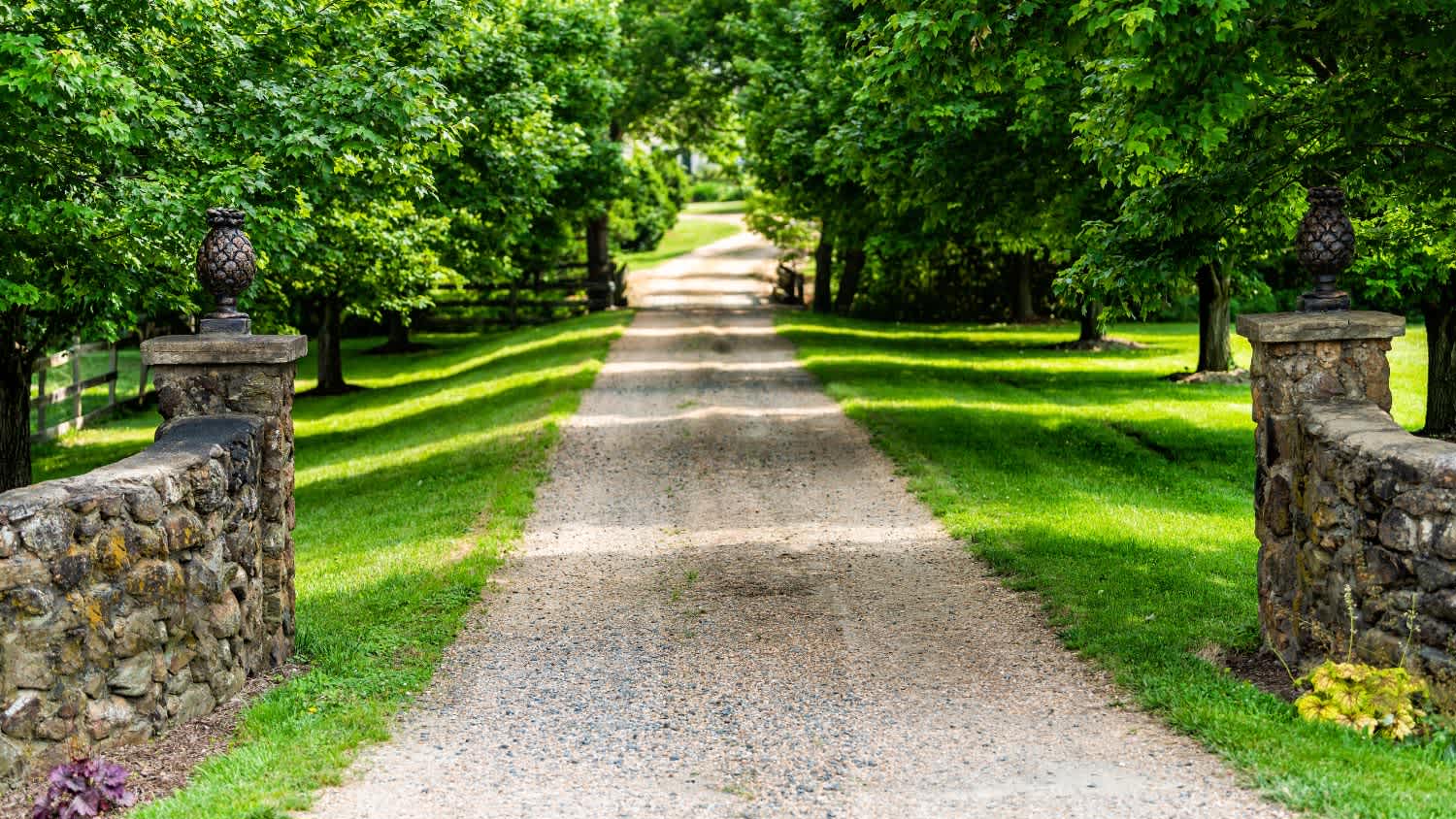
Decomposed granite and caliche can both harden into a solid surface using a plate compactor. However, due to decomposed granite’s fine particles, it’s not suitable for driveway surfaces. Some homeowners use pea gravel mixed with a gravel-binding resin to bind the loose stones and create a solid surface that won’t shift like loose gravel.
The Bowdle, SD homeowners’ guide to paving services
From average costs to expert advice, get all the answers you need to get your job done.
The cost of a tar and chip driveway falls between gravel and asphalt. Is this unique process the happy medium you've been looking for? Let's take a look.
Get proactive with marketing for your paving contractor business. Use these paving marketing ideas (ranked by budget and experience level) to grow your business, get more leads, and earn more money.