We are a locally owned and operated company that values honesty, integrity and treats your home as if it were our own. We offer a variety of general contractor services that are customizable to each individual project. You will find us to be competitively priced, paying close attention to the details of each and every project that we are involved with. We look forward to building lasting relationships and guarantee your satisfaction!
We take great pride in our experience, expertise, quality and customer service that we provide to meet the consumers needs. It is our mission to provide excellent workmanship and complete customer satisfaction from start to completion of a project. In order to understand the needs and expectations of our customers, we take great care to work and communicate with every customer in a professional manner. Our reputation is based on service, safety and quality, regardless of how large or small the job.
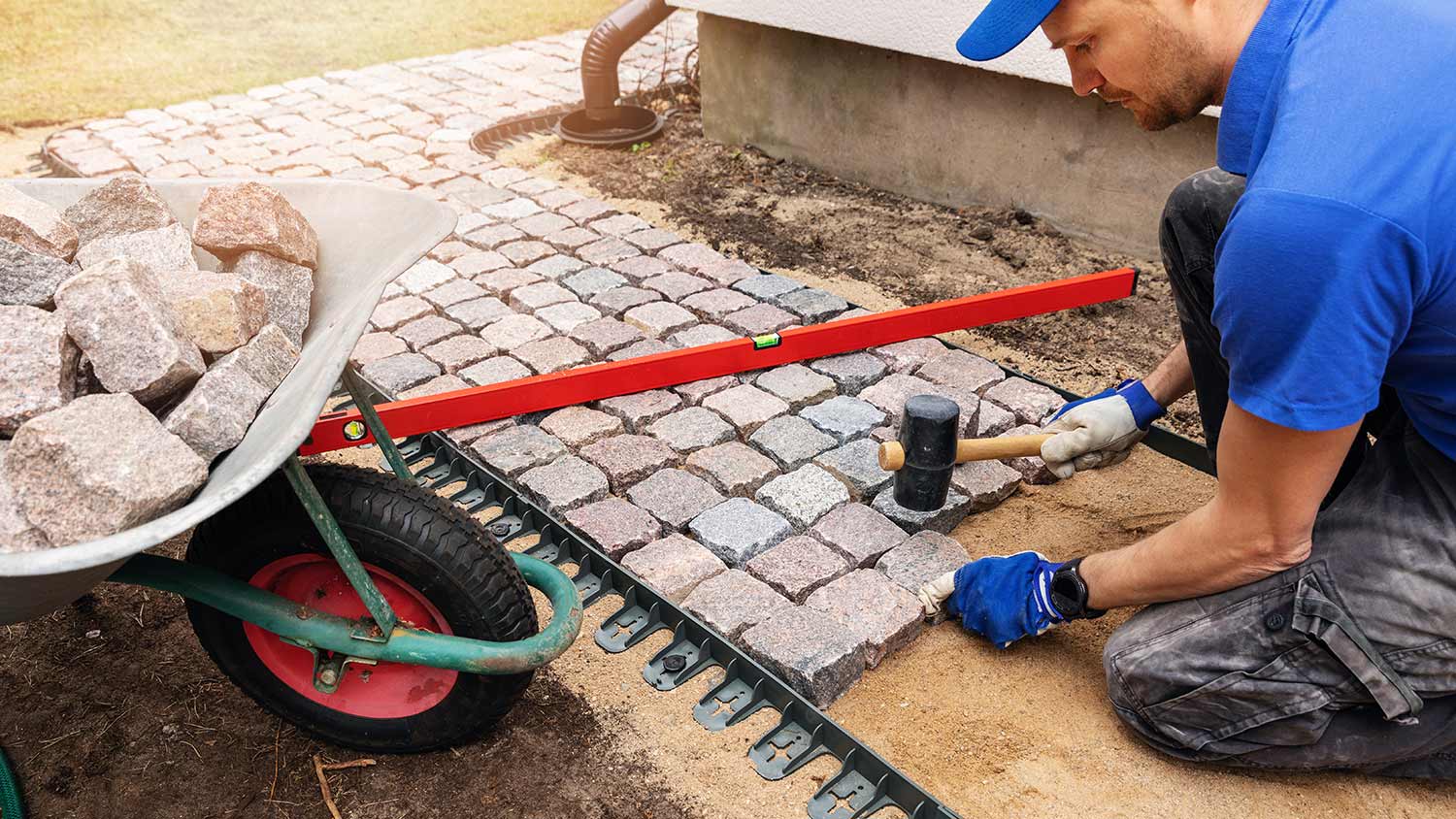
The stones do not work well on uneven ground. If the stones are not buried into the ground and made level upon installation, they almost certainly will shift or crack on uneven ground. Additionally, rainwater or water from sprinklers can run under the edge of an uneven paver, causing erosion. In a freeze and thaw cycle, trapped water under the paver can cause the problem to worsen by shifting the stepping stones around. Use a bubble level to make sure the ground under each paver is as even as possible, even if the nearby ground is uneven.
Depending on project size, typically 1 to 3 days, including preparation and installation.
Yes, recycled asphalt driveway costs can be substantially lower than new asphalt. With new asphalt costing between $90 and $190 per ton, this option can cost as much as 10 times more than laying down asphalt millings.
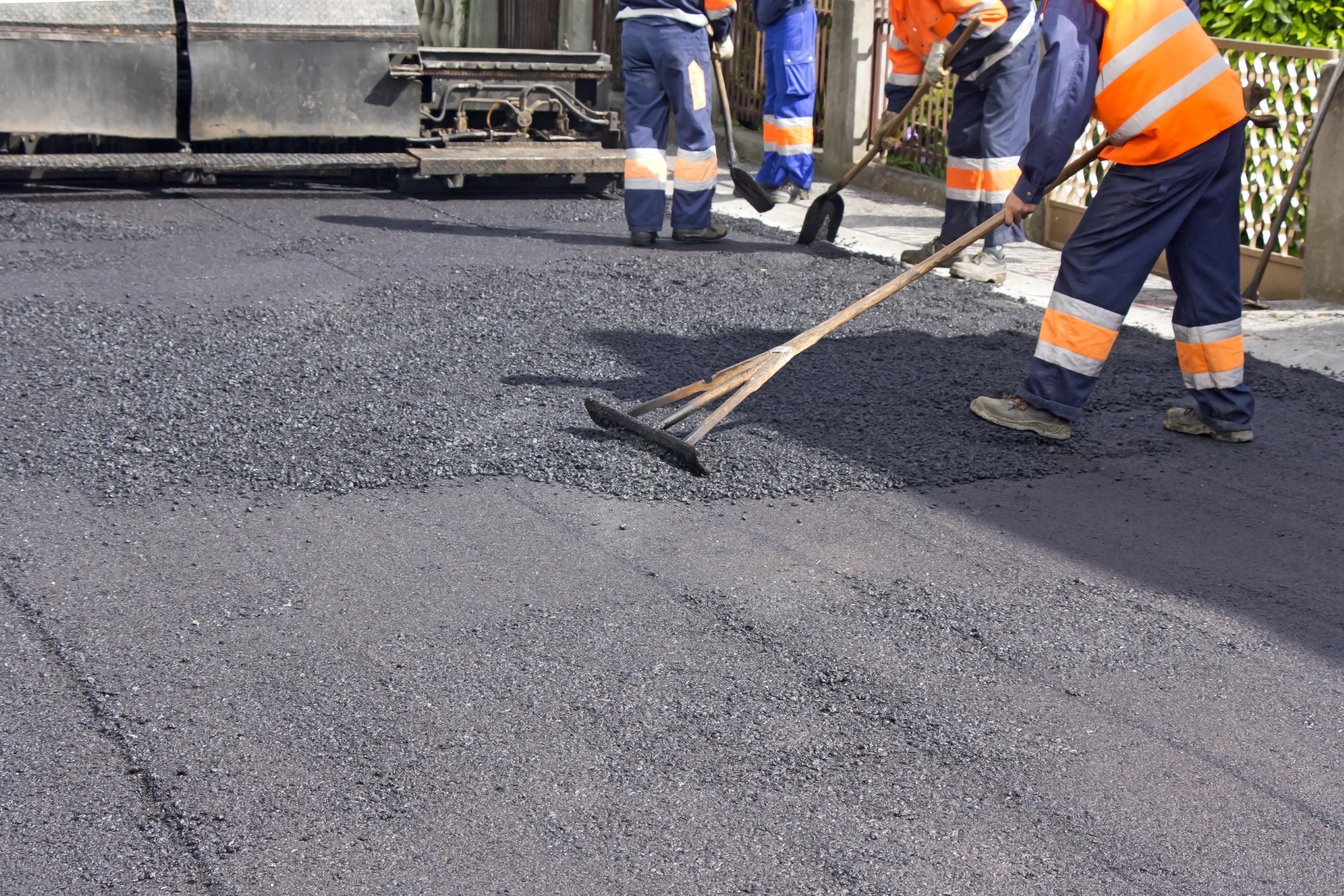
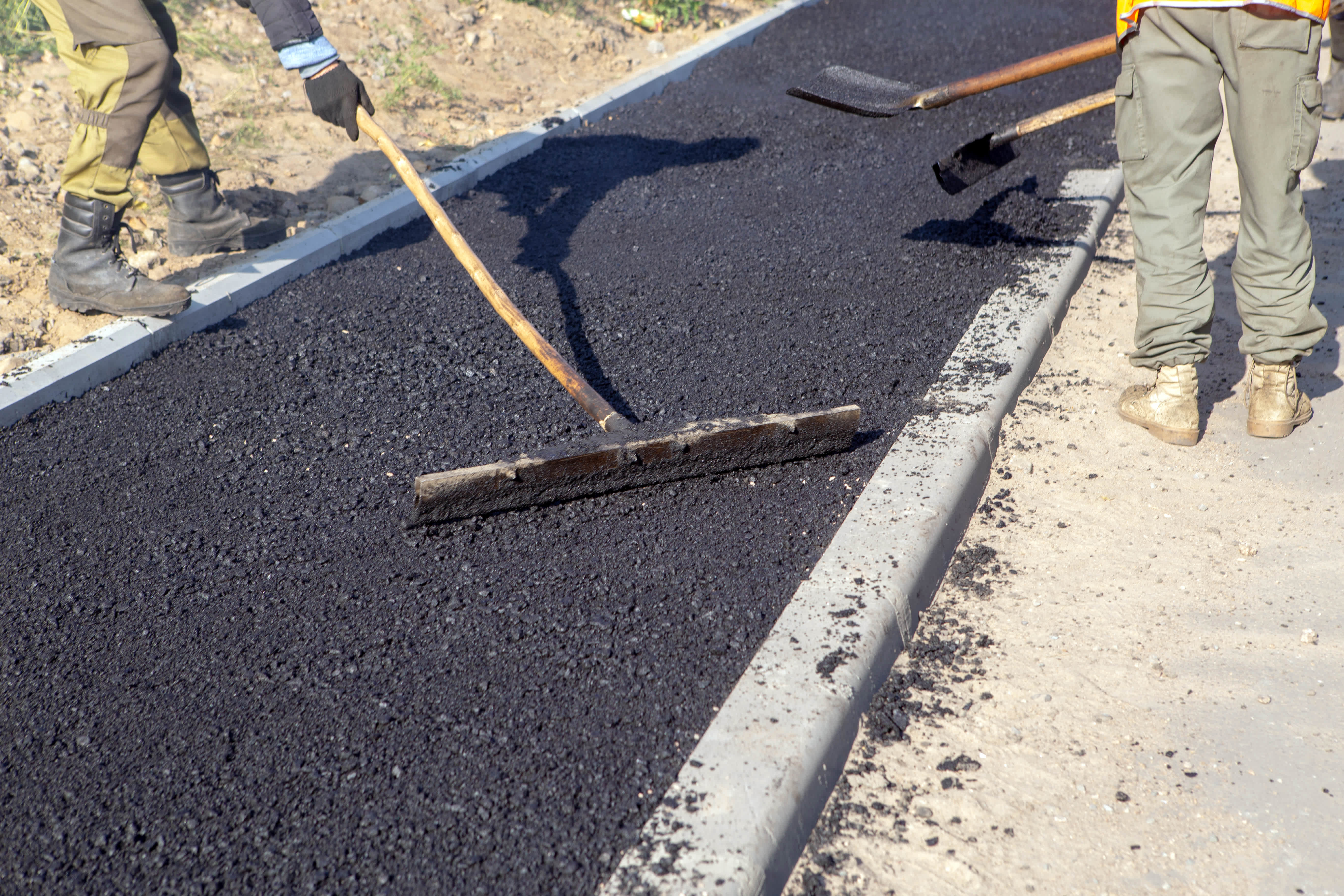
The average cost of 1,500 square feet of asphalt ranges from about $10,500 to $22,500, depending on location, thickness, base material, and how accessible the job site is to crews and equipment. Keep in mind that your asphalt material cost may vary depending on its type, ranging from porous asphalt to heated blacktop. Standard asphalt costs $7 to $13 per square foot.
Wet cutting is usually the preferred method. It controls dust, which helps protect your lungs and makes for a cleaner working environment. Plus, the water cools the blade, preventing overheating and prolonging its life while providing smoother, more precise cuts. The downside is the mess—water and asphalt sludge can be messy to clean. Dry cutting, though convenient if water isn’t available, creates a lot of dust, which can be harmful. This also increases the risk of blade damage due to overheating. So, if you have the option, wet cutting is the better method for most asphalt jobs.
The Timber Lake, SD homeowners’ guide to paving services
From average costs to expert advice, get all the answers you need to get your job done.
The cost of a tar and chip driveway falls between gravel and asphalt. Is this unique process the happy medium you've been looking for? Let's take a look.
Get proactive with marketing for your paving contractor business. Use these paving marketing ideas (ranked by budget and experience level) to grow your business, get more leads, and earn more money.