We are a locally owned and operated company that values honesty, integrity and treats your home as if it were our own. We offer a variety of general contractor services that are customizable to each individual project. You will find us to be competitively priced, paying close attention to the details of each and every project that we are involved with. We look forward to building lasting relationships and guarantee your satisfaction!
Welcome to Tylers Landscaping and Construction! We take pride in the quality of work and customer satisfaction that we give each and every customer! We are known to pay exquisite attention to detail while making customer satisfaction our top priority. Call us today to learn more about how we can help you!
Many asphalt companies have experience with tar and chip paving, but not all. The process is unique enough—and not incredibly common enough—that you may have to look around for a tar and chip specialist. However, speaking with a driveway company is a great place to start, especially if they have experience with multiple materials.
Driveways should be sloped with a minimum 2% slope—anything lower will cause precipitation and runoff to collect. A 2% slope is the equivalent of a 2-foot rise over 100 feet. One quick way to check the integrity of your driveway’s slope: no more than four inches of water should collect on the surface longer than 15 minutes after rain.
Driveway paving costs around $4,500 on average, but depending on many factors, you could pay anywhere from $2,500 to $6,600 or more. The size of your driveway will usually be the most significant factor, with more square footage increasing your costs. You can expect to pay between $2 and $15 per square foot for paving services.
Some other factors that play a role include the following:
Quality of the materials
Contractor’s experience and expertise
Site preparation and grading, if necessary
Layout of your driveway
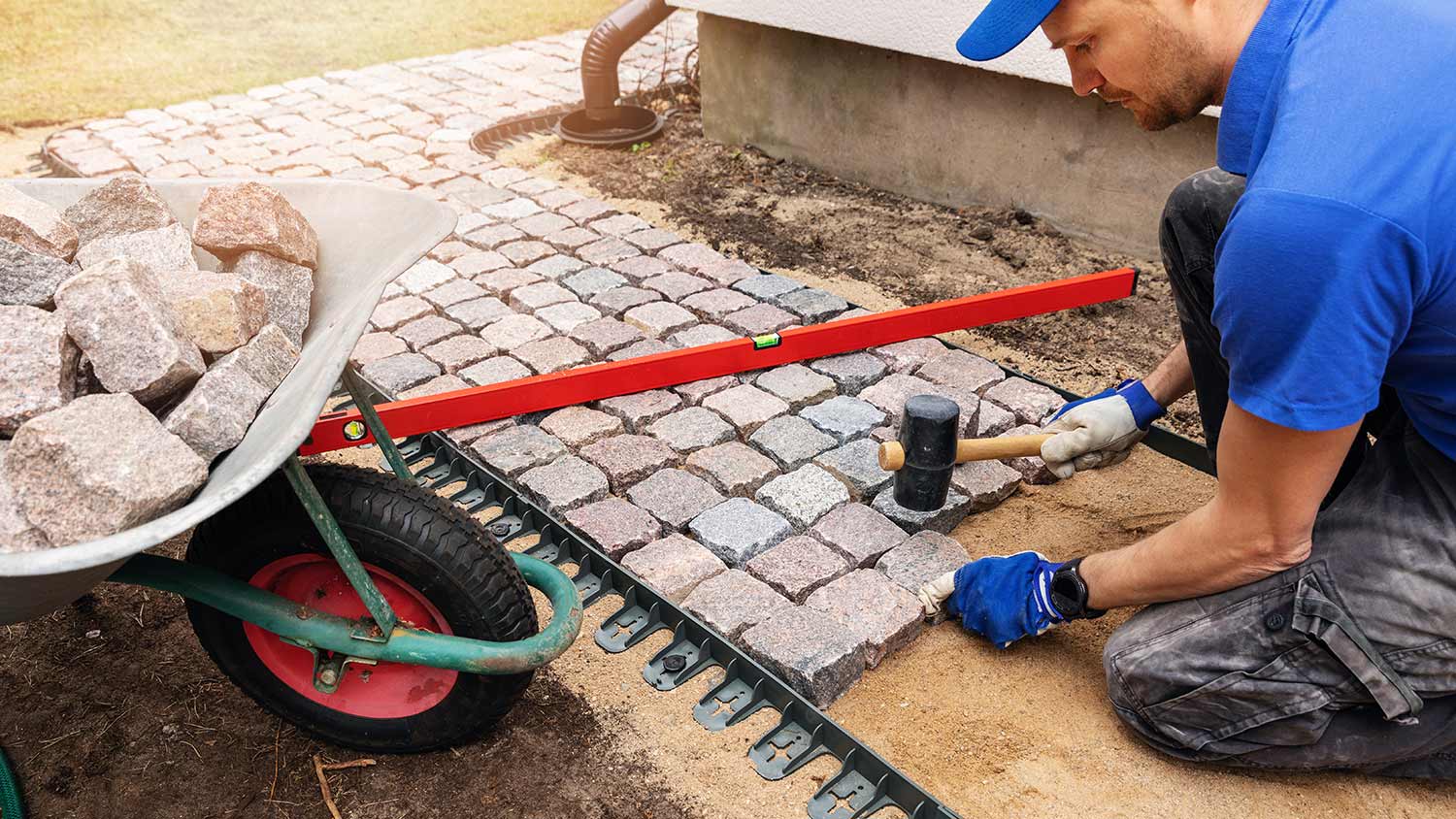
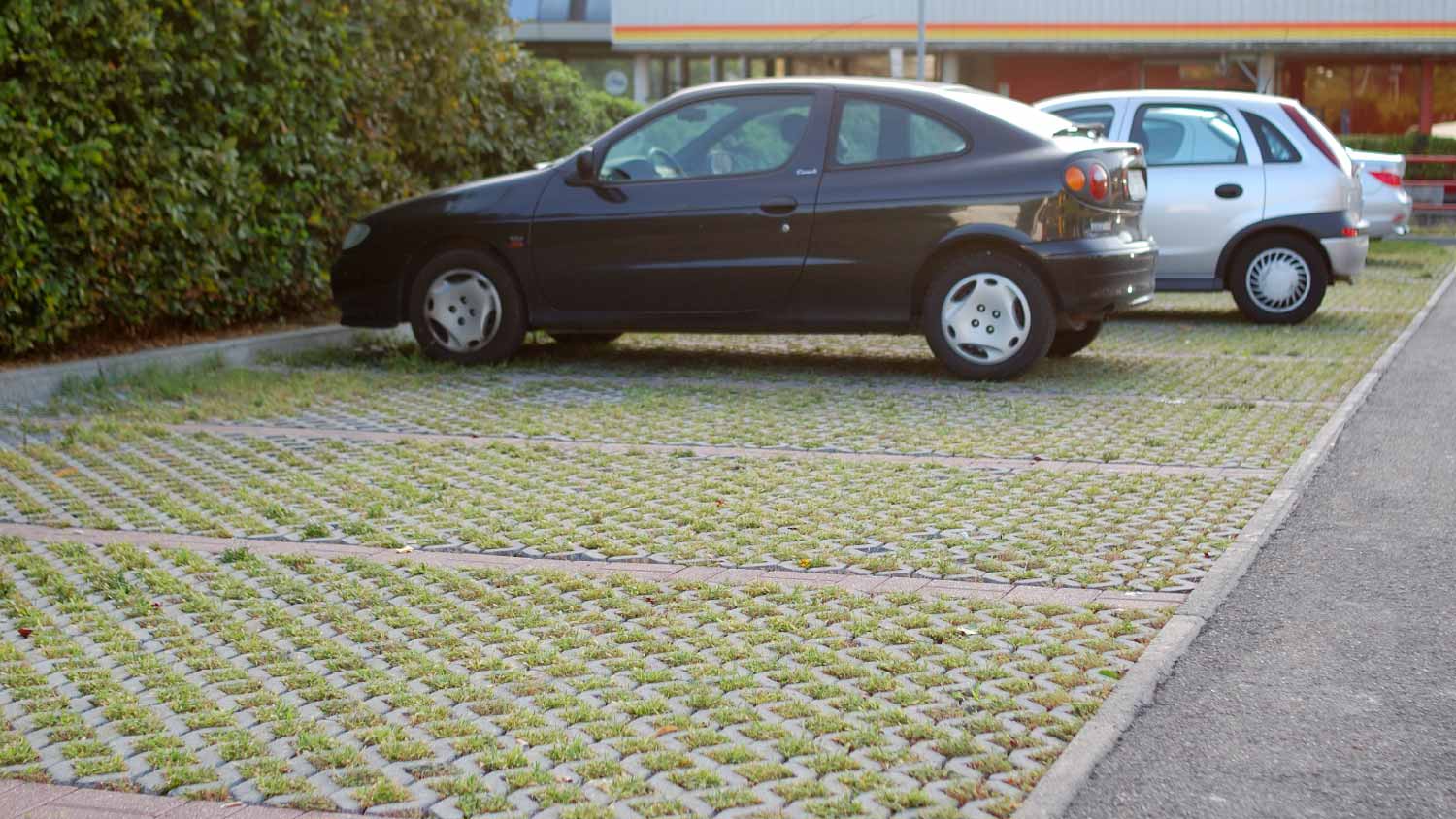
Driveway pavers are often worth the cost. Paver types like cobblestone, brick, and concrete are highly durable, and permeable paver options can be tremendously eco-friendly. While you may pay more for a paver driveway, you’ll see great returns from the increased curb appeal and low maintenance compared to other types of driveways.
Yes, using recycled asphalt millings is an eco-friendly alternative compared to concrete. Millings are reclaimed pieces of gravel that are recycled into aggregate that can be used on driveways, patios, walkways, basketball courts, tennis courts, and more.
The Ipswich, SD homeowners’ guide to paving services
From average costs to expert advice, get all the answers you need to get your job done.
The cost of a tar and chip driveway falls between gravel and asphalt. Is this unique process the happy medium you've been looking for? Let's take a look.
Get proactive with marketing for your paving contractor business. Use these paving marketing ideas (ranked by budget and experience level) to grow your business, get more leads, and earn more money.