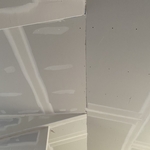
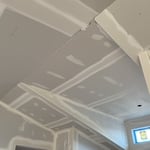
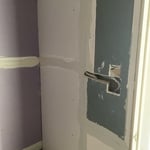
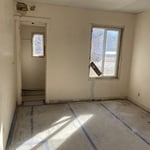
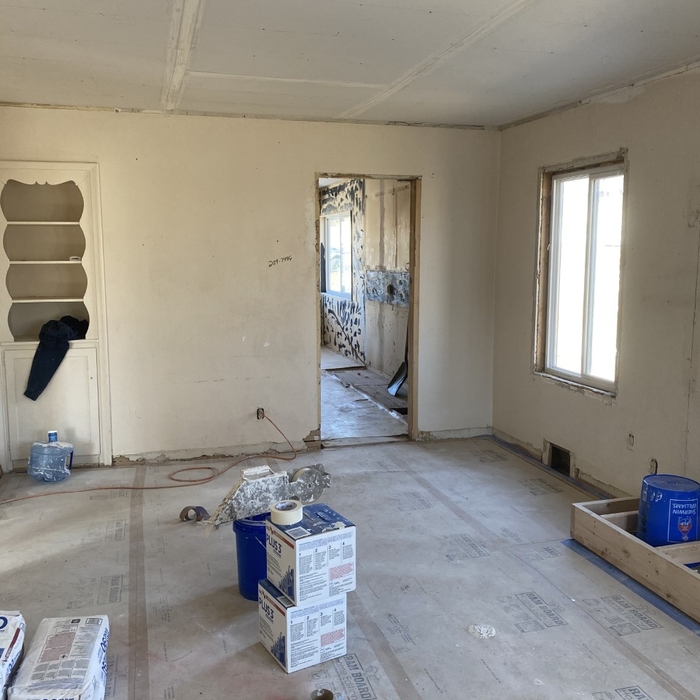
"I had a really bad drywall job that needed to be taken care of and these guys and came in and handled it. I was very impressed with their work and I would certainly use them again."
We pride our company on reliability, great communication, integrity, and quality work. We are experts in our trade and will do our best to keep you as educated as we can on your particular task or project. We look forward to earning your business!
David Ferguson's construction business is dedicated to quality and outstanding customer service. Our job is to provide you with quality service at a great price. Please don't wait call us today.
Venetian plaster is a highly durable wall finish that becomes a rock-like substance once dried, making it last longer than most other wall finishes. Its lifespan can range from decades to centuries, potentially lasting a lifetime. Key factors influencing its longevity include the quality of the initial application, whether it's properly sealed against moisture, and how the wall is maintained and treated (e.g., how often it is touched or bumped). Due to its mineral content, it can also develop a patina over time.
It is possible to apply plaster on the interior or exterior of your home, but we don’t recommend it. Plaster is easy to apply in theory, but in reality, it can be a challenging material to work with, and it’s difficult to get the finished product to look clean, even, and smooth. Many DIYers end up calling in a professional afterward to touch up the area or even redo it entirely because of mistakes they made in the process. Hiring a plaster pro will cost more, but it’s usually the best option to achieve high-quality results.
The tool you use to sand plaster will depend on the size of the project. If you’re just working on a small section of your wall to get rid of an uneven spot on the surface, hand-sanding might work. However, for larger projects, a drywall sander can make a huge difference when it comes to both time and elbow grease—and an orbital sander can help for detailed areas such as around ceiling fans.
Plaster is a beautiful finish but is labor-intensive to install and remove. It’s vulnerable to cracking and more sensitive to moisture variance than drywall. Installing plaster on a new wall is an expensive process that can take days to weeks, depending on the scope. Removing a plaster wall can also be quite expensive and time-consuming.
Although they have similar applications, spackle and joint compound are not the same. Their primary differences lie in their composition, consistency, and ideal use cases.
Spackle is composed of gypsum and binding agents, making it thicker than joint compound. It dries quickly and is easy to sand, which makes it ideal for small wall repair projects like filling nail holes or patching minor damage.
Joint compound, also known as drywall mud, consists of limestone and gypsum. It is primarily used for large-scale projects, such as taping and finishing the seams on newly installed drywall. It tends to shrink more than spackle and can be more difficult to spread.
While both products can be used to fill small depressions and cracks, spackle cannot replace joint compound for taping and mudding new drywall. Conversely, you can often use joint compound for small patching jobs typically done with spackle.
The Murdo, SD homeowners’ guide to plaster repairs
From average costs to expert advice, get all the answers you need to get your job done.
Venetian plaster can add depth and texture to your aesthetic. Learn how much Venetian plaster costs based on factors like square footage and whether you hire a pro to help.
You can find plaster walls in a lot of older homes. What’s behind these walls—whether that’s lath or calcimine—can have an impact on how long they last. Finding out the age of your house can help you determine what you’re dealing with.