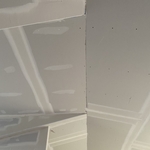
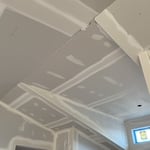
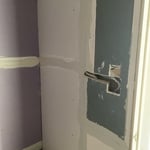
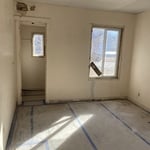
"I had a really bad drywall job that needed to be taken care of and these guys and came in and handled it. I was very impressed with their work and I would certainly use them again."
We pride our company on reliability, great communication, integrity, and quality work. We are experts in our trade and will do our best to keep you as educated as we can on your particular task or project. We look forward to earning your business!
David Ferguson's construction business is dedicated to quality and outstanding customer service. Our job is to provide you with quality service at a great price. Please don't wait call us today.
It’s not a good idea to plaster over broken plaster (unless by broken you’re referring to cracked, in which case that’s perfectly fine). However, broken plaster can be a sign of a larger underlying issue like foundation damage or severe damage to the lath holding up the plaster, so it’s worth investigating before you simply plaster on top of the damage.
You can repair plaster ceilings yourself after the cause of the ceiling damage has been addressed. However, the repair can easily take 5 hours and can be slightly challenging for those without previous experience. If you do decide to flex your DIY muscle, have a helper to help hold the ladder and pass you the tools for safety purposes.
Plaster can be a difficult DIY to master, especially if you plan to plaster an entire room, rather than patch a small area. Before you begin a plaster DIY project, you need to know which tools and type of plaster to use. It's also important to know how to prepare the surface and apply the plaster for a smooth finish. If that all sounds like a lot of work, you may prefer hiring a local plaster repair contractor to do the job.
While you should consult with a ceiling professional for larger cracks, especially if you’re not sure what’s causing your ceiling to crack, you can certainly try to repair small cracks on your own. If you’re up for the task, here’s how to repair ceiling cracks for $150 or less.
Regular inspections and cleaning to prevent moisture or pest issues.
The Kyle, SD homeowners’ guide to plaster repairs
From average costs to expert advice, get all the answers you need to get your job done.
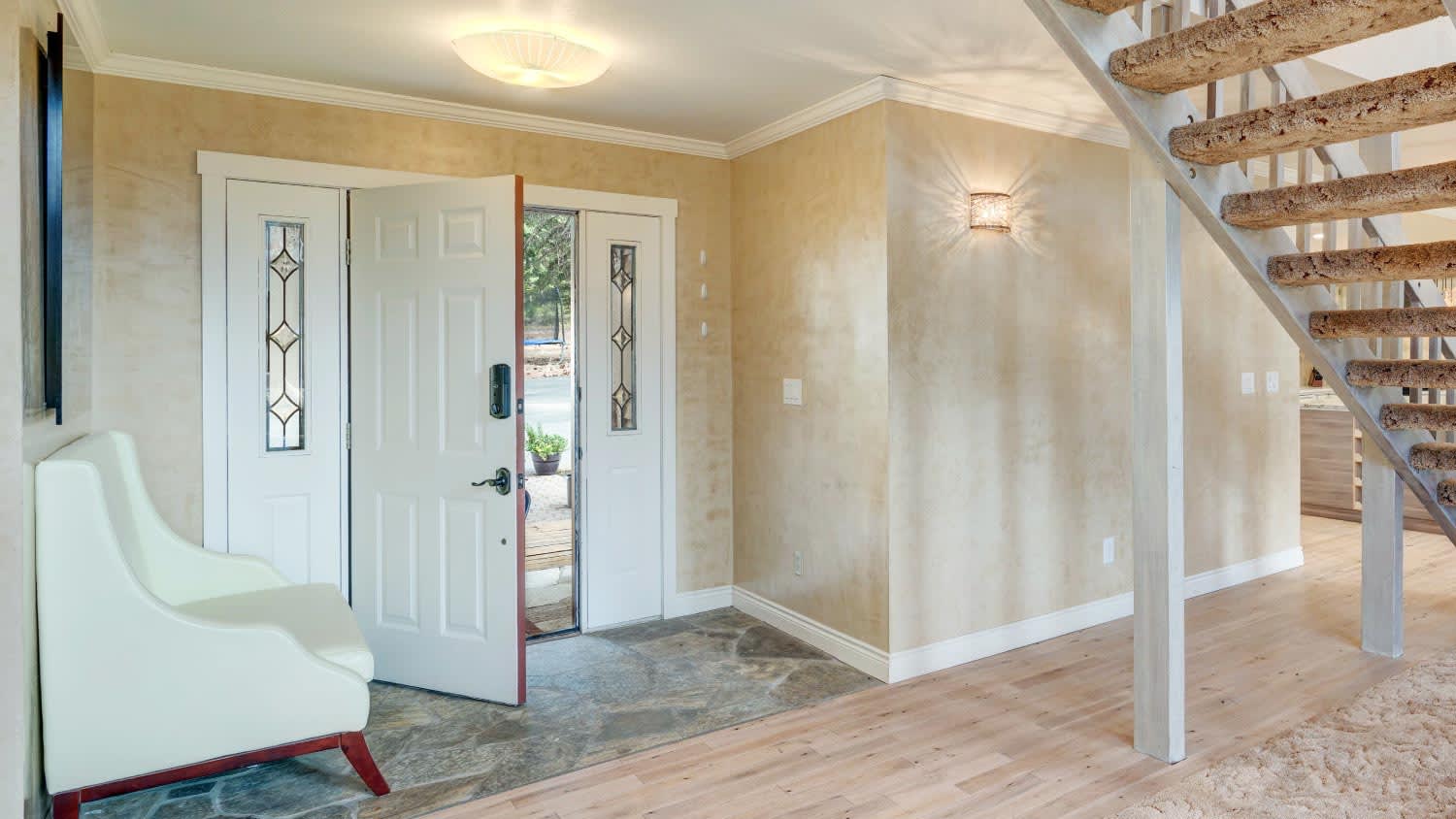
Venetian plaster can add depth and texture to your aesthetic. Learn how much Venetian plaster costs based on factors like square footage and whether you hire a pro to help.
You can find plaster walls in a lot of older homes. What’s behind these walls—whether that’s lath or calcimine—can have an impact on how long they last. Finding out the age of your house can help you determine what you’re dealing with.