"I had a really bad drywall job that needed to be taken care of and these guys and came in and handled it. I was very impressed with their work and I would certainly use them again."
We pride our company on reliability, great communication, integrity, and quality work. We are experts in our trade and will do our best to keep you as educated as we can on your particular task or project. We look forward to earning your business!
David Ferguson's construction business is dedicated to quality and outstanding customer service. Our job is to provide you with quality service at a great price. Please don't wait call us today.
If your home was built before the 1940s and was not remodeled in the past 50 or so years, you probably have plaster walls. Aside from assuming, there are some practical ways to tell if you have plaster walls, including the following: If you knock on the wall and it feels solid, not hollow, if you can’t insert a thumbtack easily, if there are cracks that look like spiderwebs, or if your home has curved, arched, or swirled walls, doorways, or window openings.
If you have an unfinished basement or attic, you could examine the backs of any finished walls to check, too.
How long it takes to repair a ceiling depends on the extent of the damage. Patching a small hole might only take a few minutes, while repairing a water-damaged section of the ceiling could take hours. If there are structural issues, expect your ceiling repair to take several days or longer.
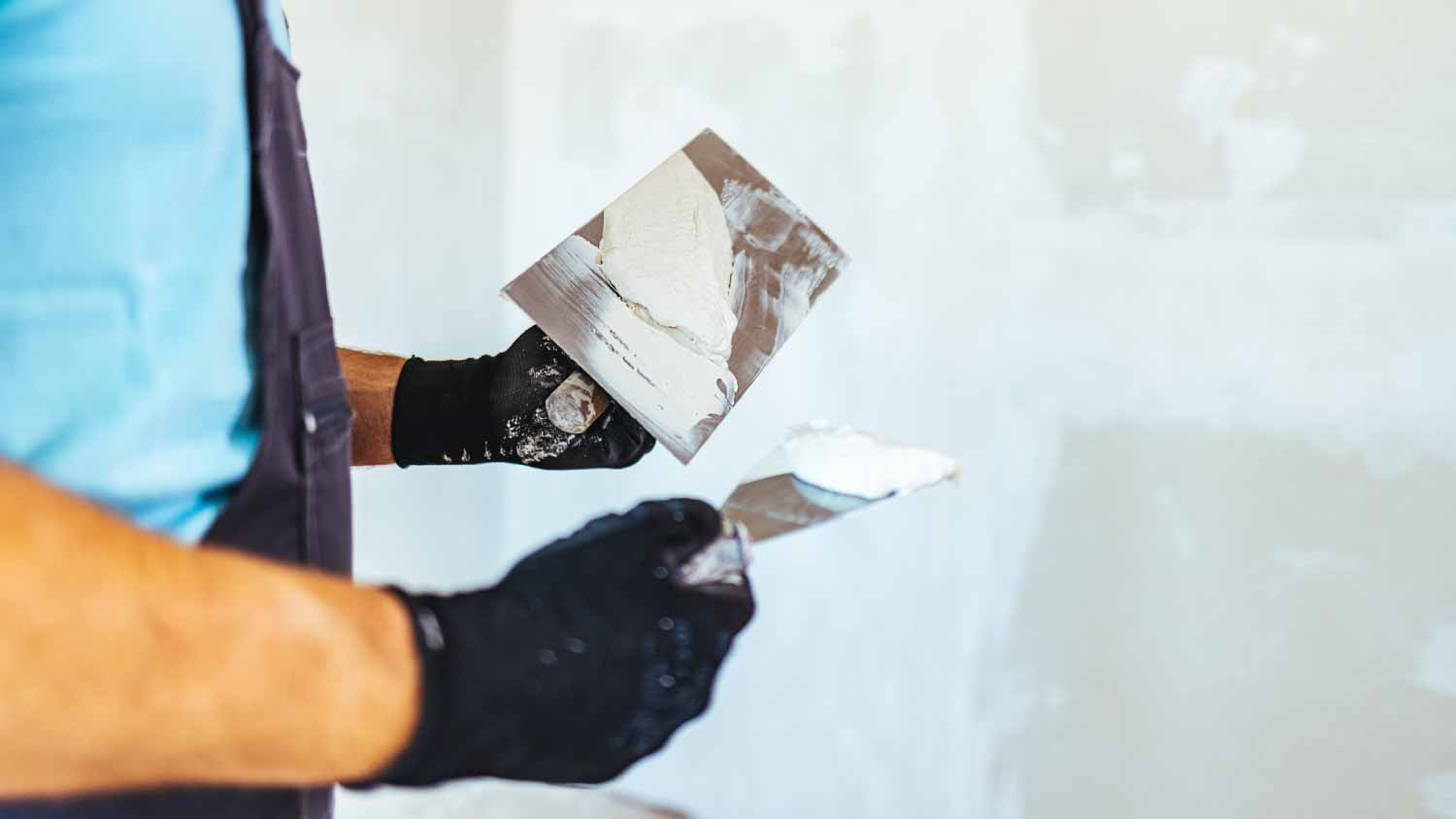
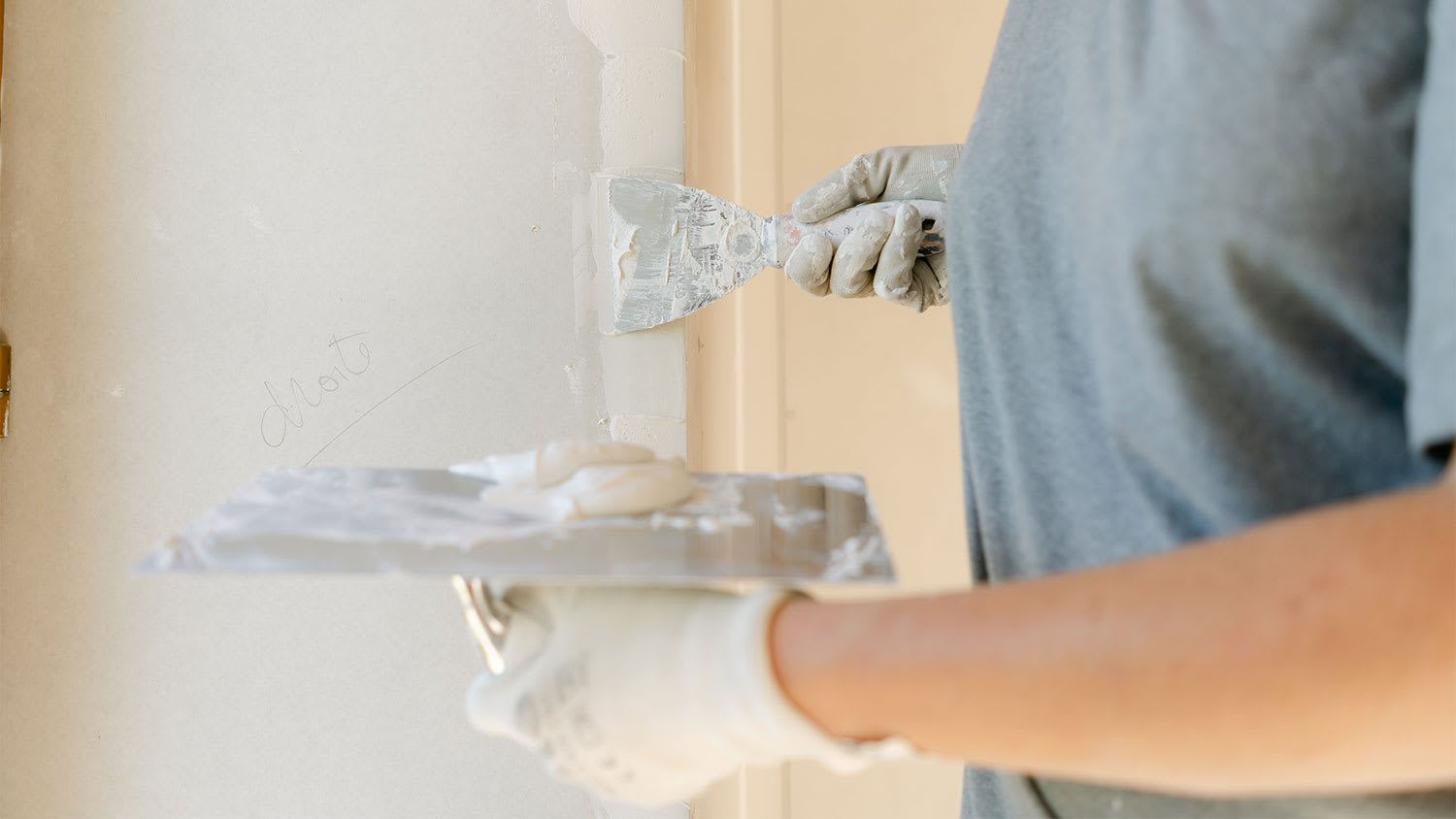
Although they are used for similar tasks, spackle and joint compound are not the same. Joint compound, also known as drywall mud, consists of limestone and gypsum and is primarily used for large-scale projects like taping and finishing seams on new drywall. Spackle is composed of gypsum and binding agents, making it a thicker compound best suited for small wall repairs like filling nail holes or cracks, as it dries quickly and is easy to sand. For small repairs, either product can be suitable. However, you can use joint compound for small jobs in place of spackle, but you cannot use spackle for large-scale taping and mudding projects.
To maintain plaster walls, inspect them regularly for cracks and seal them early. Clean the walls by dusting regularly or using a gentle, damp cloth. It's also important to avoid moisture exposure. Repainting as needed will help maintain the wall's appearance and longevity.
It depends on the construction of your wall. Most handypeople can fix small holes in drywall. If your wall is plaster or brick, more significant damage may require a drywall contractor or a mason. Hiring a handyperson costs less than a more specialized type of contractor, but they’re not trained in all types of wall repairs.
The Wanblee, SD homeowners’ guide to plaster repairs
From average costs to expert advice, get all the answers you need to get your job done.
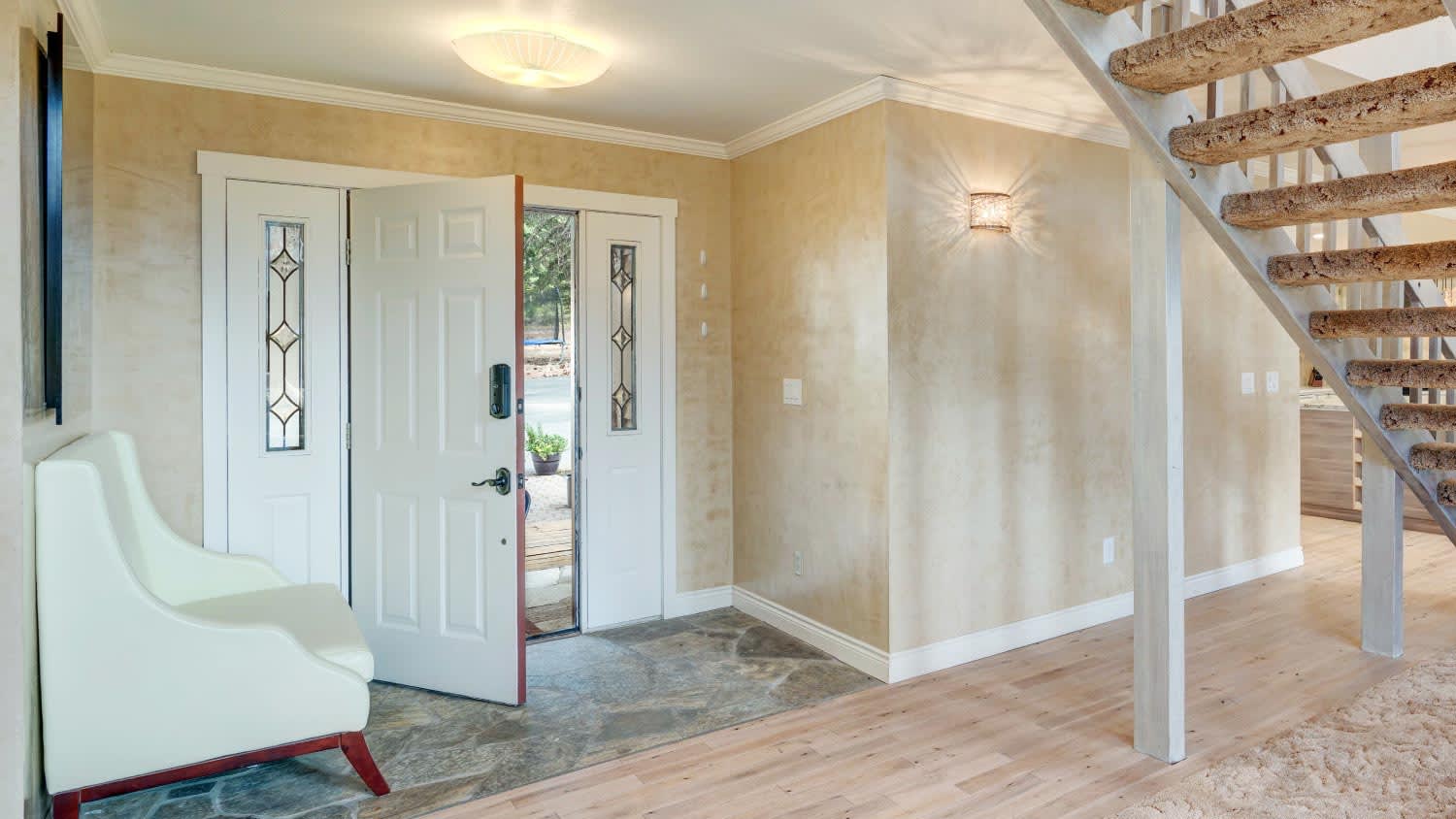
Venetian plaster can add depth and texture to your aesthetic. Learn how much Venetian plaster costs based on factors like square footage and whether you hire a pro to help.
You can find plaster walls in a lot of older homes. What’s behind these walls—whether that’s lath or calcimine—can have an impact on how long they last. Finding out the age of your house can help you determine what you’re dealing with.