"They were very prompt in response to my contacting them. They arrived on time and quoted a reasonable price for the job. The work was done as promised for the amount quoted. Will definitely contact this company again if I need more work done."
We pride our company on reliability, great communication, integrity, and quality work. We are experts in our trade and will do our best to keep you as educated as we can on your particular task or project. We look forward to earning your business!
David Ferguson's construction business is dedicated to quality and outstanding customer service. Our job is to provide you with quality service at a great price. Please don't wait call us today.
It may take a bit of patience and trial and error to match your particular drywall texture type when making repairs. For orange peel or knockdown finishes, use a spray texture product or a thinned joint compound applied with a roller or sponge. Practice on scrap drywall or cardboard first. Once dry, lightly sand and prime before painting.
Plaster walls typically last between 30 and 70 years, but depending on the quality of the materials and the moisture levels in the building, they can last for over 100 years. With expert application and consistent maintenance, plaster can even last for centuries. To extend its lifespan, it is important to have the plaster professionally installed, address any water damage promptly, and repair small cracks as they appear. Regular inspections by a professional can help identify and address concerning cracks before they become significant issues.
Repairing plaster walls or ceilings is almost always worthwhile. It restores the appearance of your home, and if it's an exterior wall, the repair can improve curb appeal and provide a great return on investment when selling. Plaster repairs can also reinforce the wall, preventing minor cracks from spreading, and improve your home’s energy efficiency by fixing gaps in the insulative material, potentially lowering your heating and cooling bills. Additionally, hiring a professional allows them to check if the damage is from a serious underlying issue, such as foundation instability. Catching a problem like this early could save you thousands.
On average, repairing a ceiling costs anywhere from $450 to $1,750. However, there are many variables that can impact the price of this project. For example, the type of ceiling material, type and extent of the damage, and local labor rates all affect your costs. Holes and cracks are less expensive to fix, while structural issues and water damage are pricier problems.
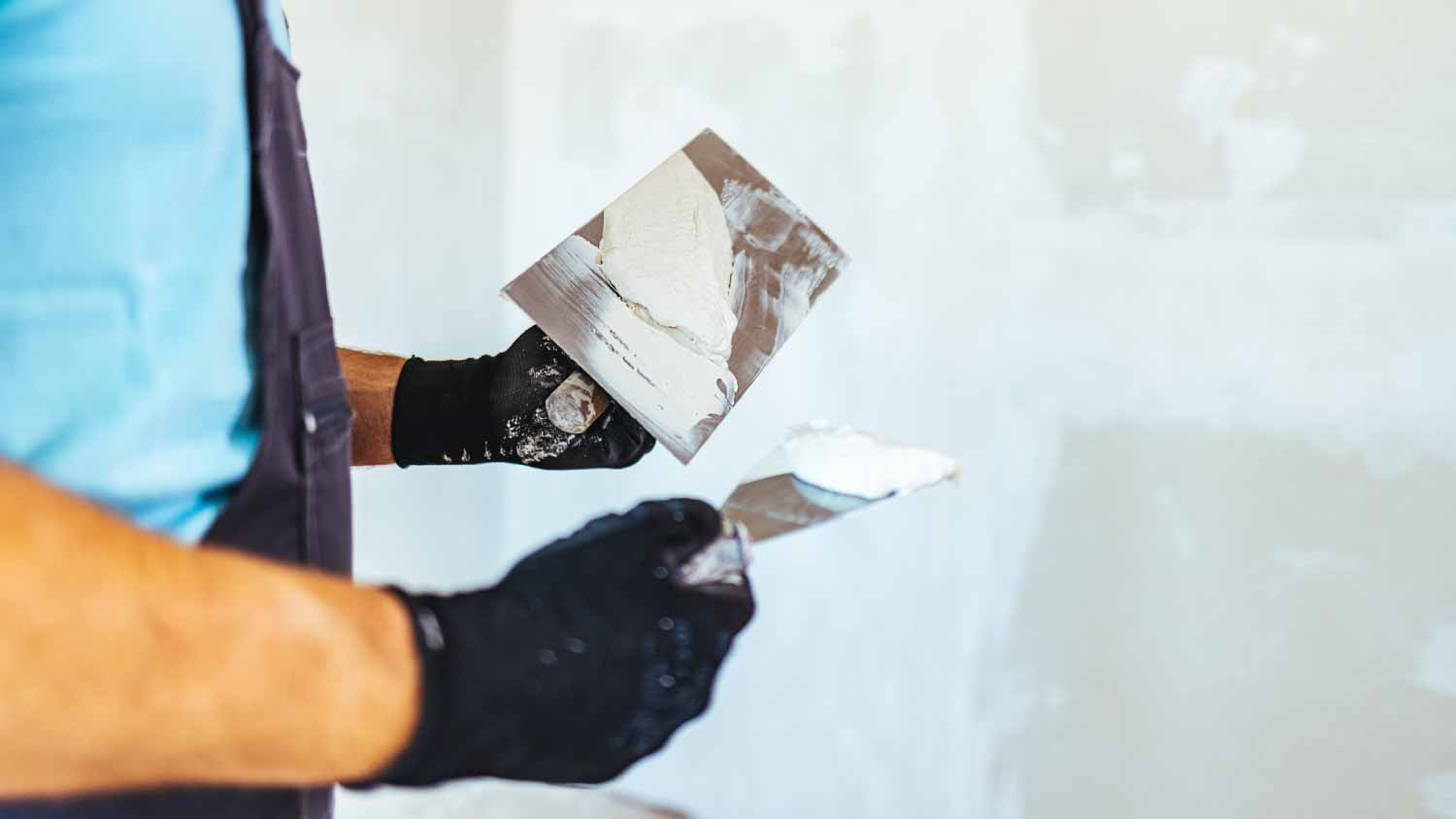
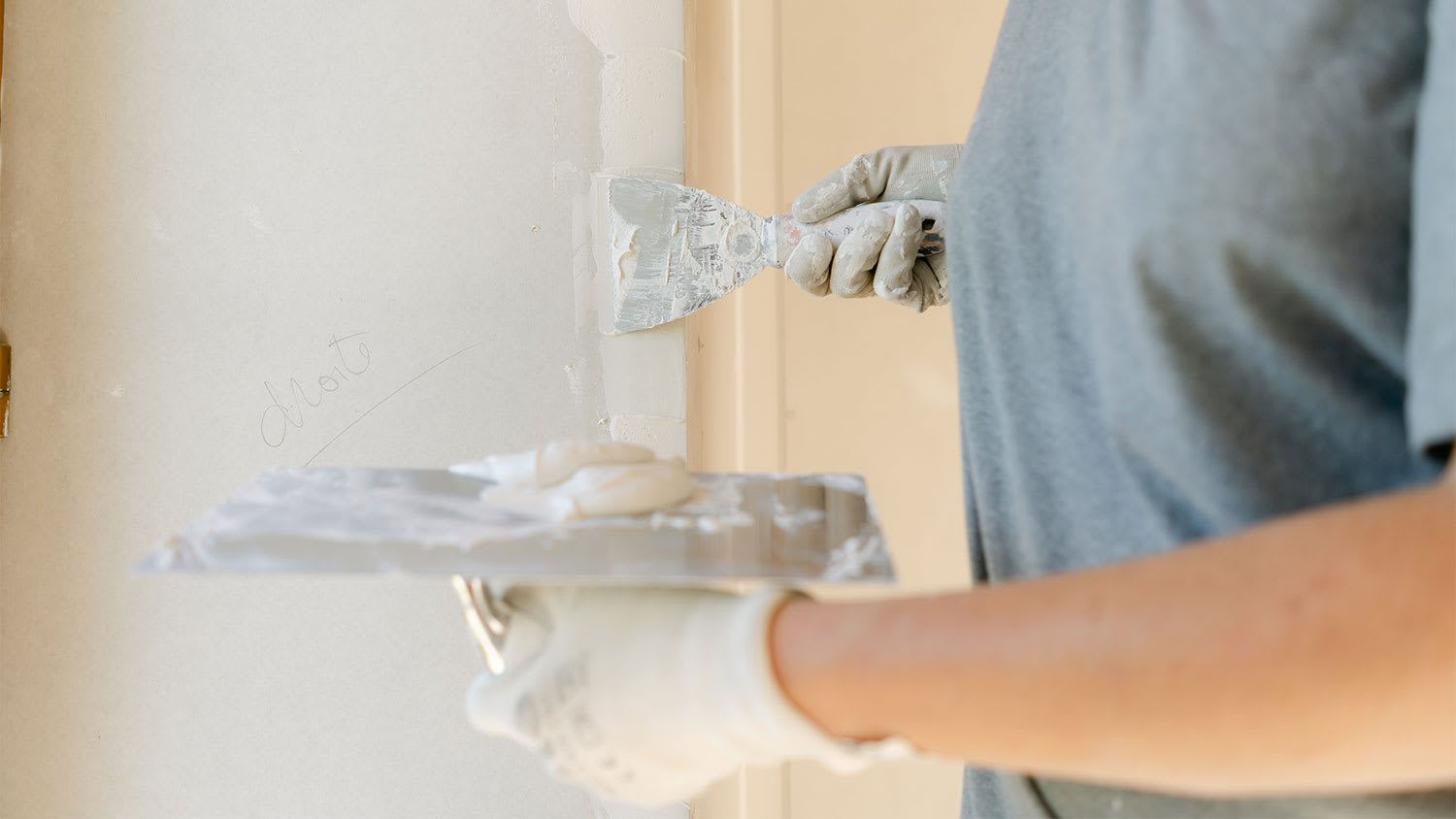
Whether you can install or repair plaster yourself depends on the project's size and your comfort level with DIY projects. It's possible to handle small repairs on your own, but for larger projects like a room restoration or a full installation, it's often best to hire a local plaster professional. The final appearance, even coverage, and durability of the plaster depend heavily on proper wall preparation and application. If you are not 100% confident in your ability to achieve a professional result, letting an expert handle the job is a worthwhile investment.
The Howes, SD homeowners’ guide to plaster repairs
From average costs to expert advice, get all the answers you need to get your job done.
Venetian plaster can add depth and texture to your aesthetic. Learn how much Venetian plaster costs based on factors like square footage and whether you hire a pro to help.
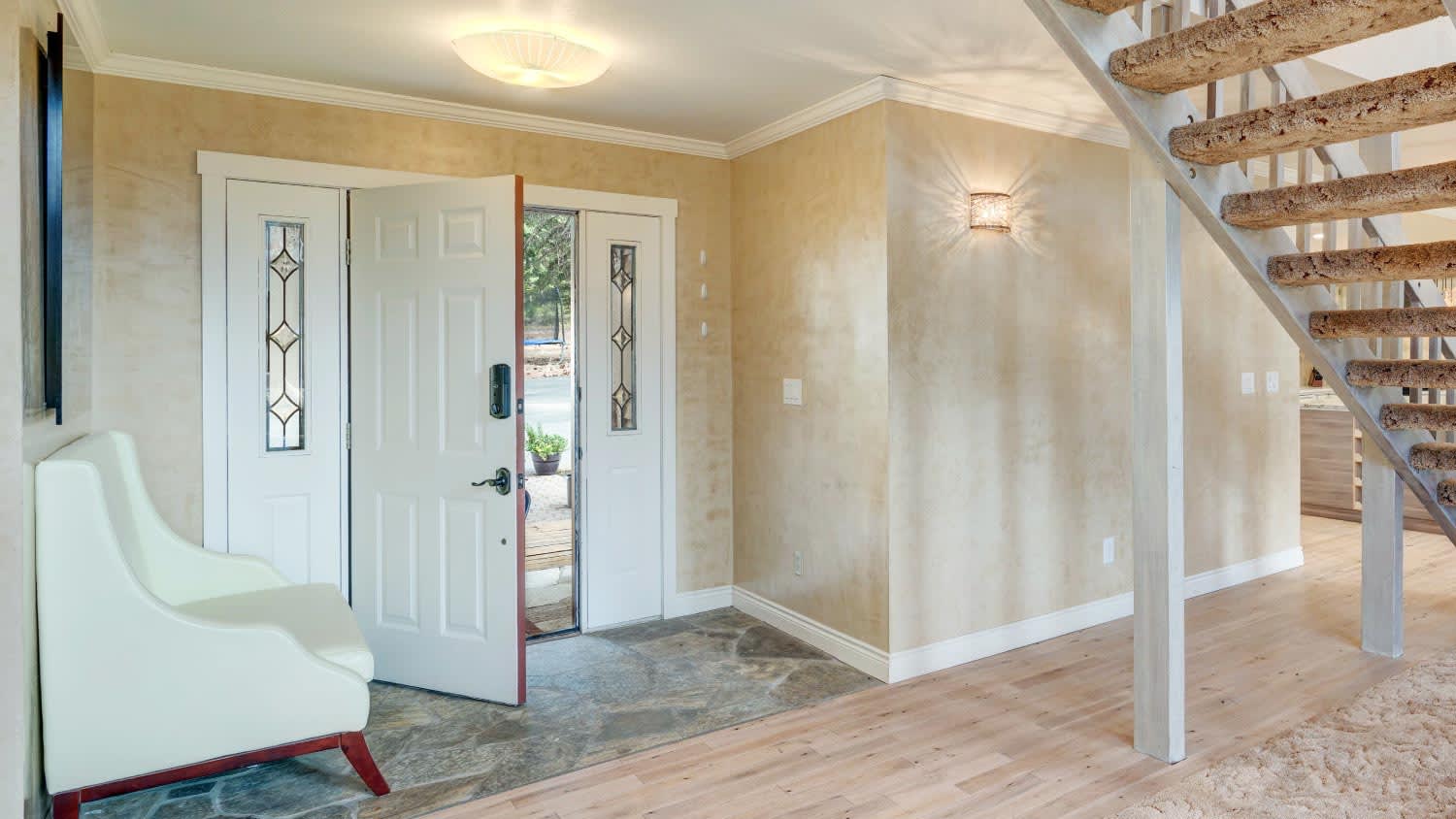
You can find plaster walls in a lot of older homes. What’s behind these walls—whether that’s lath or calcimine—can have an impact on how long they last. Finding out the age of your house can help you determine what you’re dealing with.