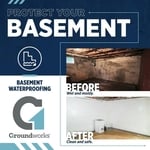
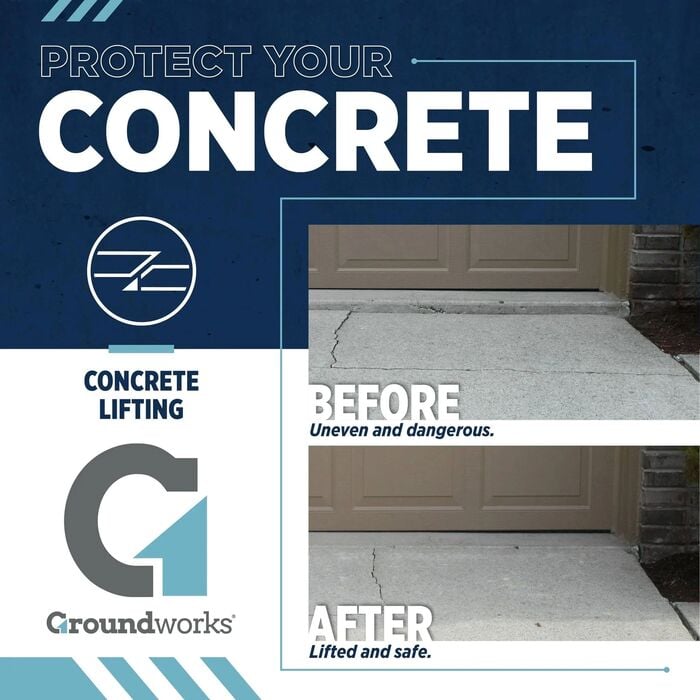
Groundworks is the North America's leading and fastest-growing foundation repair and water management solutions provider. Groundworks is a vertically integrated company with its own manufacturing operations and a world-class software solution, allowing us to serve our customers more effectively. From the first phone call to the annual maintenance offered, our customers have peace of mind knowing we're there with one mission to repair, protect and improve their home. For state licenses visit Groundworks.com/licensing
Enhanced Basements foundation repair offers reliable and affordable foundation repair solutions. Our dedicated team is committed to providing high-quality services to address various foundation issues. We take pride in our work and strive to ensure the safety and stability of your property.
We are committed to excellence in every aspect of our business. We uphold a standard of integrity bound by fairness, honesty, and personal responsibility. Our distinction is the quality of service we bring to our customers. Alex prides himself on the cleanliness, speed and precision of the work that he provides. For several years now he has enjoyed working with one happy customer after the next and he looks forward to helping you next! Give Alex a call today.
"The business saw and noticed the damage gutted out half the bathroom and replaced the damaged floor and then replaced the tub and shower. They blended all new work done perfectly into anything that wasnt replaced."
David Ferguson's construction business is dedicated to quality and outstanding customer service. Our job is to provide you with quality service at a great price. Please don't wait call us today.
We pride our company on reliability, great communication, integrity, and quality work. We are experts in our trade and will do our best to keep you as educated as we can on your particular task or project. We look forward to earning your business! Book with us online or feel free to give us a call today!
Basement Waterproofing questions, answered by experts
In most cases, it is safe to live in a home with minor foundation problems, but you should not let the issues persist. Virtually all foundations have small cracks from normal settlement, which are not a structural concern but should be sealed to prevent water intrusion. However, major damage—such as large structural cracks, sinking foundations, or bulging walls—can make a home unsafe. Other issues that can pose safety and health risks include poor indoor air quality from mold or pests, uneven floors, and rotten beams or joists. It is always best to have a foundation repair expert or structural engineer inspect any issues to determine if your home is safe to live in.
The best ventilation for a crawl space is a fully encapsulated crawl space with its own separate ventilation system. If you go this route, ensure you have the proper crawl space code requirements done and dusted before encapsulating your crawl space with a moisture barrier and installing appliances that may not be up to the proper specs.
Living in a finished basement is acceptable, but only if the space has the proper points of egress and includes smoke and carbon monoxide (CO) detectors to ensure the safety of the occupants. A good way to ensure your finished basement is suitable for use as living space is to get the basement finishing project properly permitted.
A crawl space can be as little as 42 inches below the grade of your house, but this is not always recommended in flood-prone areas. At a minimum, there must be at least 16 inches of clearance between the ground and the floor joists to access the space in an emergency.
Most people consider a French drain to be one of the most effective solutions for foundation leaks, but it’s not always a standalone solution. French drains will help keep water away from your foundation to reduce the risk of leaking and structural damage from soil expansion, but depending on your foundation type and location, you might need other systems or techniques—like soil gradation and gutter and leader installation—to resolve the underlying problem.
The Murdo, SD homeowners’ guide to basement waterproofing services
From average costs to expert advice, get all the answers you need to get your job done.
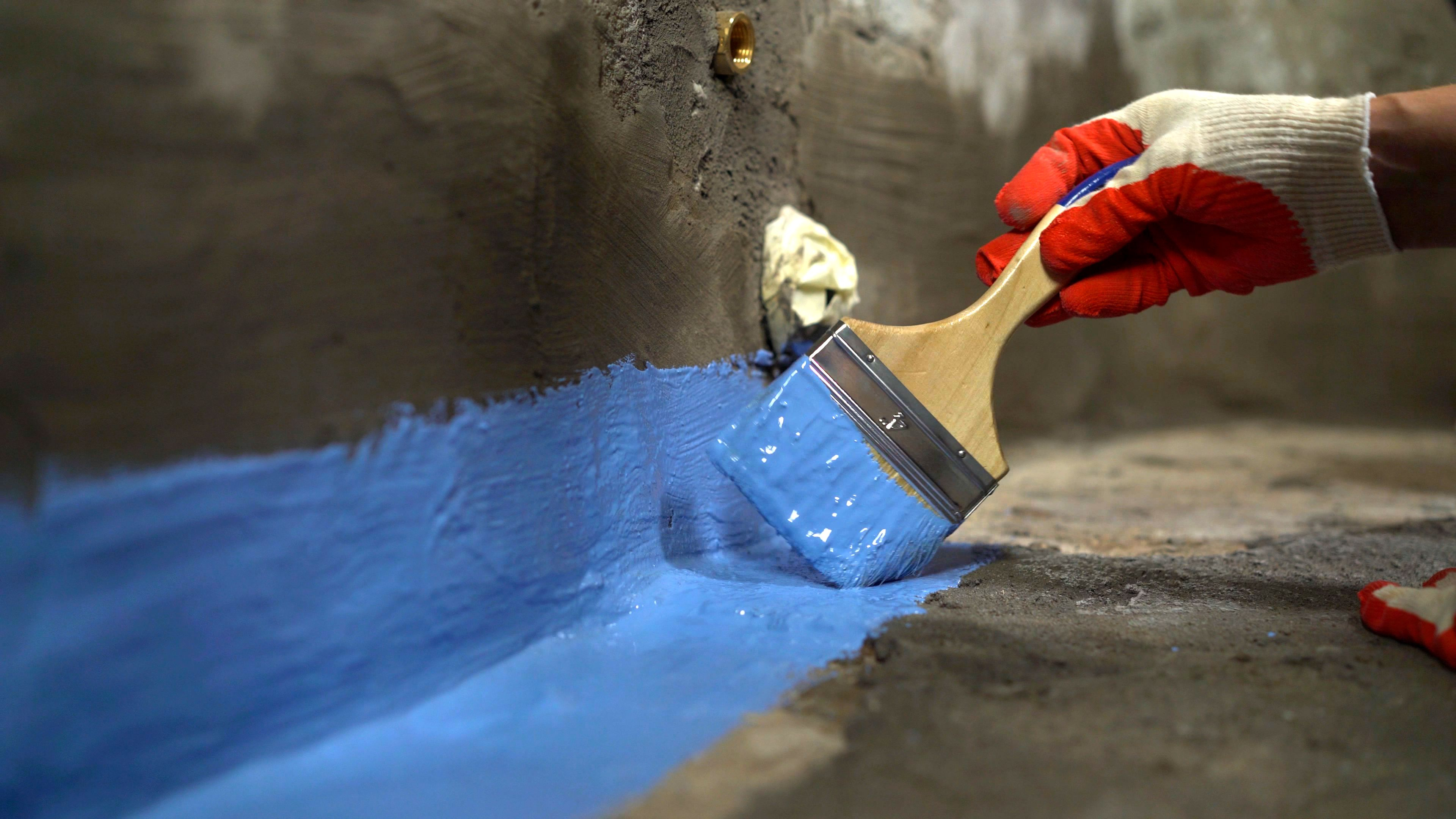
Need to fix basement water problems or safeguard your home from damage in the future? Use this basement waterproofing cost guide to budget appropriately.
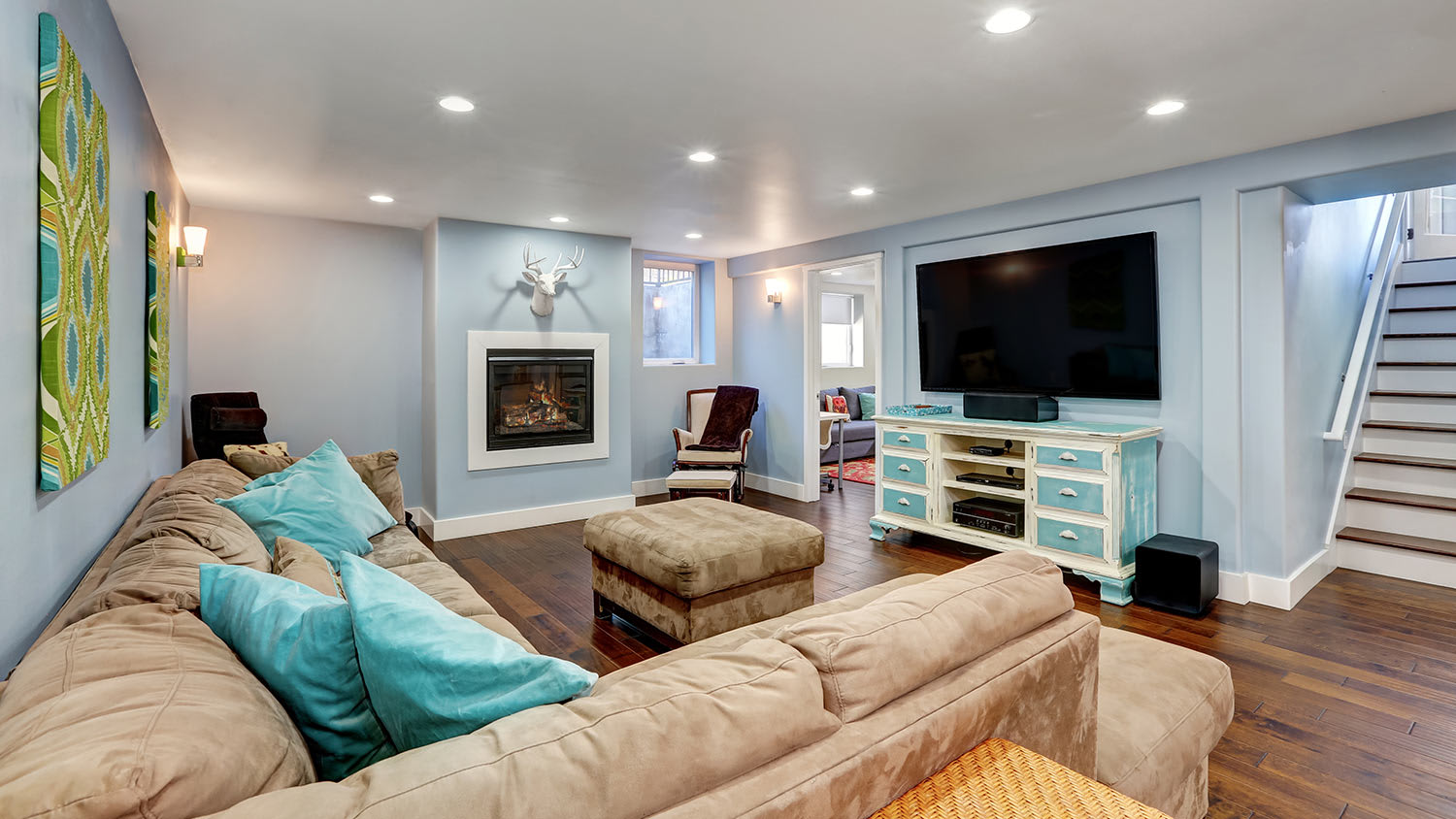
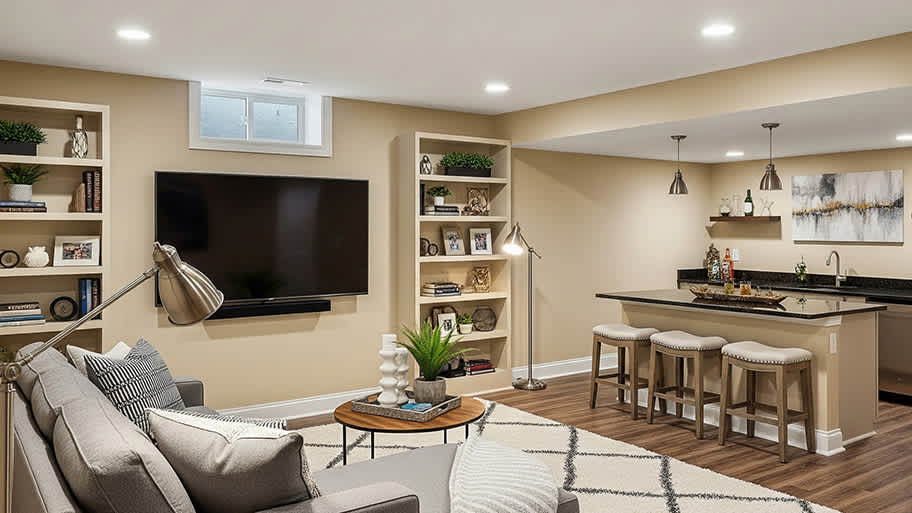
An unfinished basement has a lot of potential for a family room or guest suite. So how much does it cost to finish a basement? Read on for all cost factors.
A variety of factors can affect your total crawl space encapsulation cost. Here’s a breakdown of the cost of this project, whether you hire a pro or DIY.
Waterproofing your basement is important to protect your home. Follow these tips to ensure that you hire the right waterproofing contractor for the job.
Dealing with a damp basement? Follow these steps for DIY basement waterproofing to keep water and moisture out and boost your home’s energy efficiency.