"They were very prompt in response to my contacting them. They arrived on time and quoted a reasonable price for the job. The work was done as promised for the amount quoted. Will definitely contact this company again if I need more work done."
We pride our company on reliability, great communication, integrity, and quality work. We are experts in our trade and will do our best to keep you as educated as we can on your particular task or project. We look forward to earning your business!
When it comes to major and minor construction services, look no further than Ace of Trades Handyman Service. We have more than 35 years of experience bringing prompt and reliable services. Call us.
David Ferguson's construction business is dedicated to quality and outstanding customer service. Our job is to provide you with quality service at a great price. Please don't wait call us today.
Many services include repainting to match the existing surface. Confirm with your provider.
There are several warning signs that a ceiling crack is connected to a larger issue. For starters, if the crack is wider than 1/8 inch or longer than 12 inches, you might have a more serious problem. The same applies if you have multiple smaller cracks or cracks going across the ceiling and down the wall. In any of these situations, you should ask a professional to assess the damage.
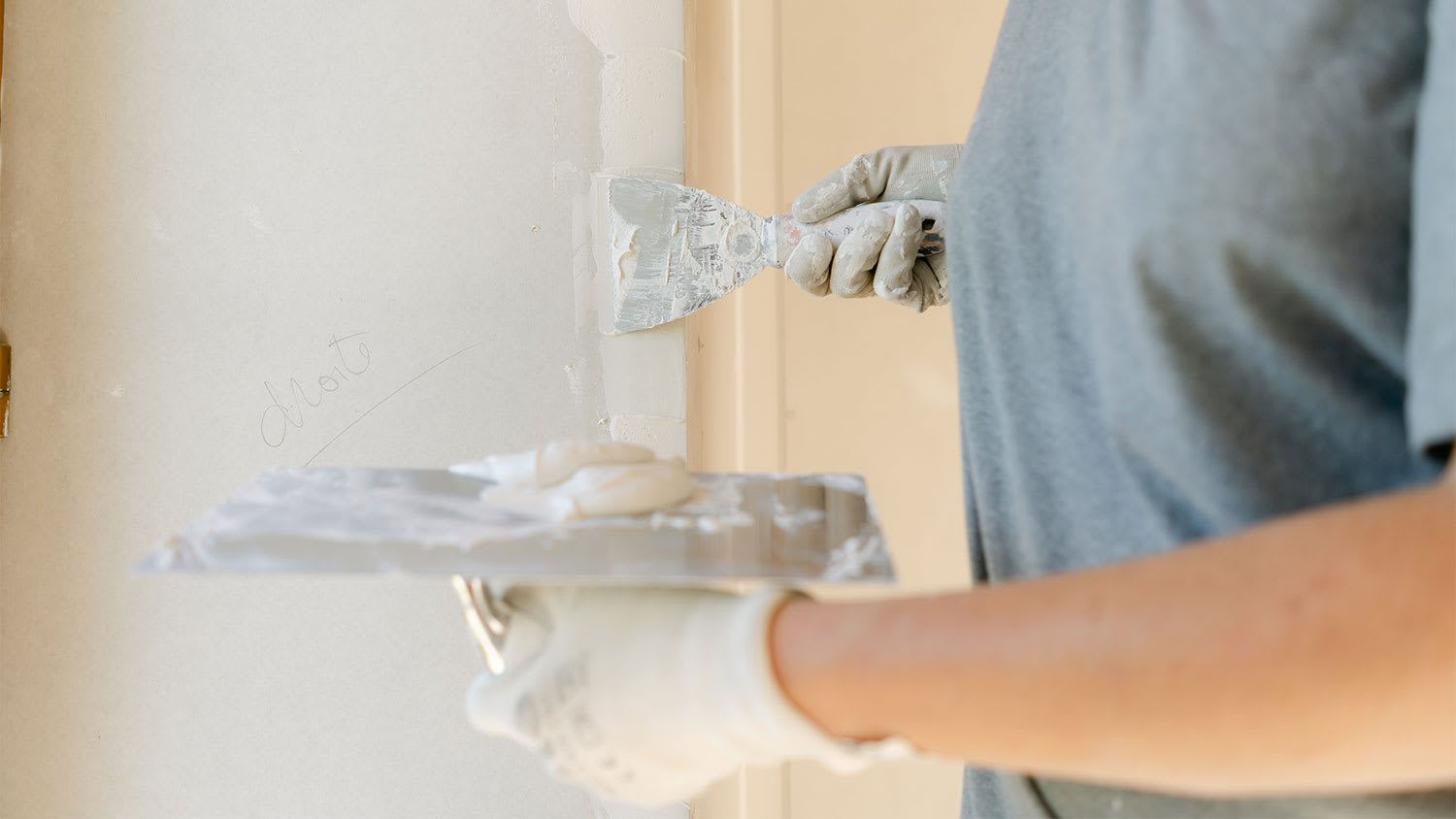
It depends on the construction of your wall. Most handypeople can fix small holes in drywall. If your wall is plaster or brick, more significant damage may require a drywall contractor or a mason. Hiring a handyperson costs less than a more specialized type of contractor, but they’re not trained in all types of wall repairs.
Look for flaking paint or air bubbles that burst and then flake away. Paint will begin to flake after being exposed to minimal moisture or water, so it’s a good indicator of any water damage. If you notice your paint starting to flake, feel the plaster underneath to see if it is soft or damp.
Plaster that sags or bulges, shows extensive deep cracks, or is crumbling from water damage or simply time may need replacement. Plaster walls can look a little “worn” for a long time before they need replacing. The only real way to know if it needs a replacement is to hire a professional to assess the condition of the plaster.
The Wall, SD homeowners’ guide to plaster repairs
From average costs to expert advice, get all the answers you need to get your job done.
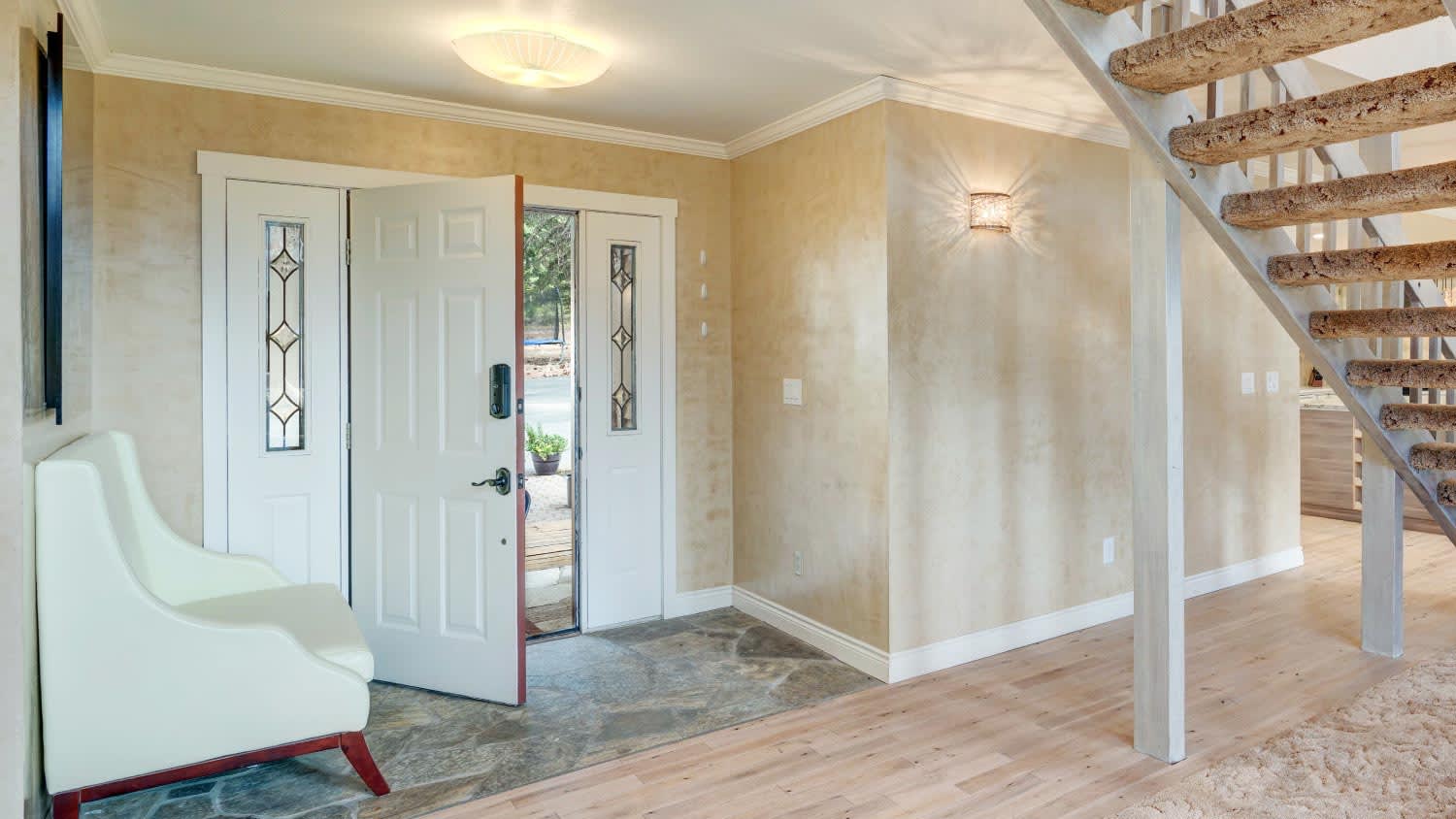
Venetian plaster can add depth and texture to your aesthetic. Learn how much Venetian plaster costs based on factors like square footage and whether you hire a pro to help.
You can find plaster walls in a lot of older homes. What’s behind these walls—whether that’s lath or calcimine—can have an impact on how long they last. Finding out the age of your house can help you determine what you’re dealing with.