James Hand Construction
Plaster - Install
Serving Miller, SD and surrounding areas
In business since 1979
Free estimates
"Was one of the most professional men, and pleases me with their work in a timely manner."
Recommended by100%of homeowners

Serving Miller, SD and surrounding areas
In business since 1979
Free estimates
"Was one of the most professional men, and pleases me with their work in a timely manner."
Serving Miller, SD and surrounding areas
In business since 2025
Free estimates
Credit card accepted
We pride our company on reliability, great communication, integrity, and quality work. We are experts in our trade and will do our best to keep you as educated as we can on your particular task or project. We look forward to earning your business!
Serving Miller, SD and surrounding areas
In business since 2022
Free estimates
Offers commercial services
TH's Paining and Designs is committed to excellence in every aspect of our business. We uphold a standard of integrity bound by fairness, honesty, and personal responsibility. Our distinction is the quality of service we bring to our customers. Accurate knowledge of our trade combined with ability is what makes us true professionals. Above all, we are watchful of our customers' interests, and make their concerns the basis of our business. \n
Serving Miller, SD and surrounding areas
In business since 2005
With business starting in 2005, Aldinger Construction has been building a reputation of great customer service and top notch workmanship. We take pride in our work and it shows. You will see what separates us from our competition with every project we complete. We take the time to listen to our clients in order to give them the best options available for their project. Our customers love that we are fast and efficient without ever compromising quality. Please keep in mind that your remodeling project is an investment in the future of your home. Why not work with the best? Feel free to contact us for an appointment. \n


+4
Serving Miller, SD and surrounding areas
In business since 1999
Free estimates
David Ferguson's construction business is dedicated to quality and outstanding customer service. Our job is to provide you with quality service at a great price. Please don't wait call us today.
From average costs to expert advice, get all the answers you need to get your job done.

Plaster repair costs are determined by the size and type of damage. Discover why some fixes you can DIY and why some require a pro’s help.
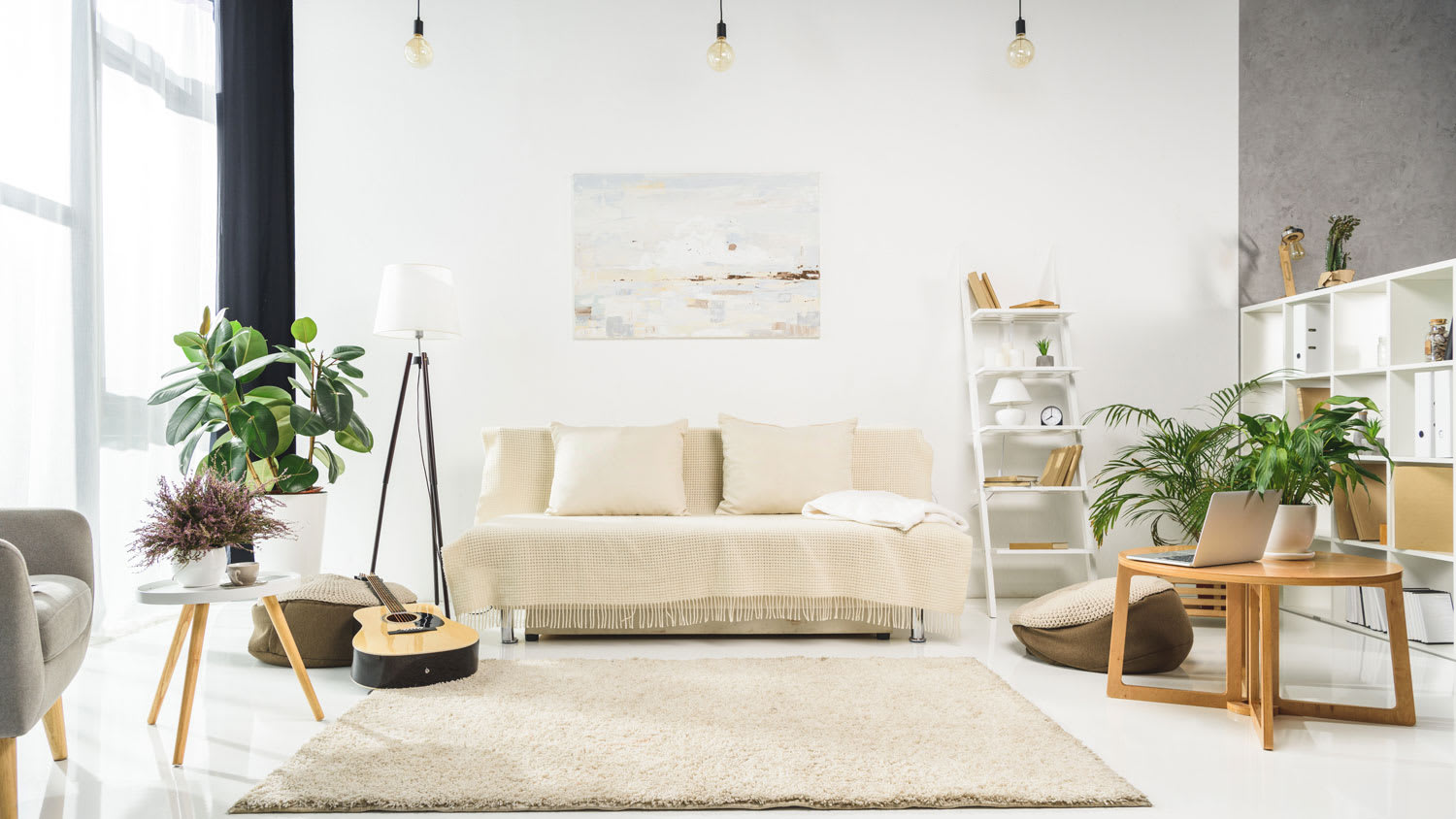
The cost of plastering walls and ceilings depends on the room size and ceiling height. Our tips can help you estimate an accurate cost.
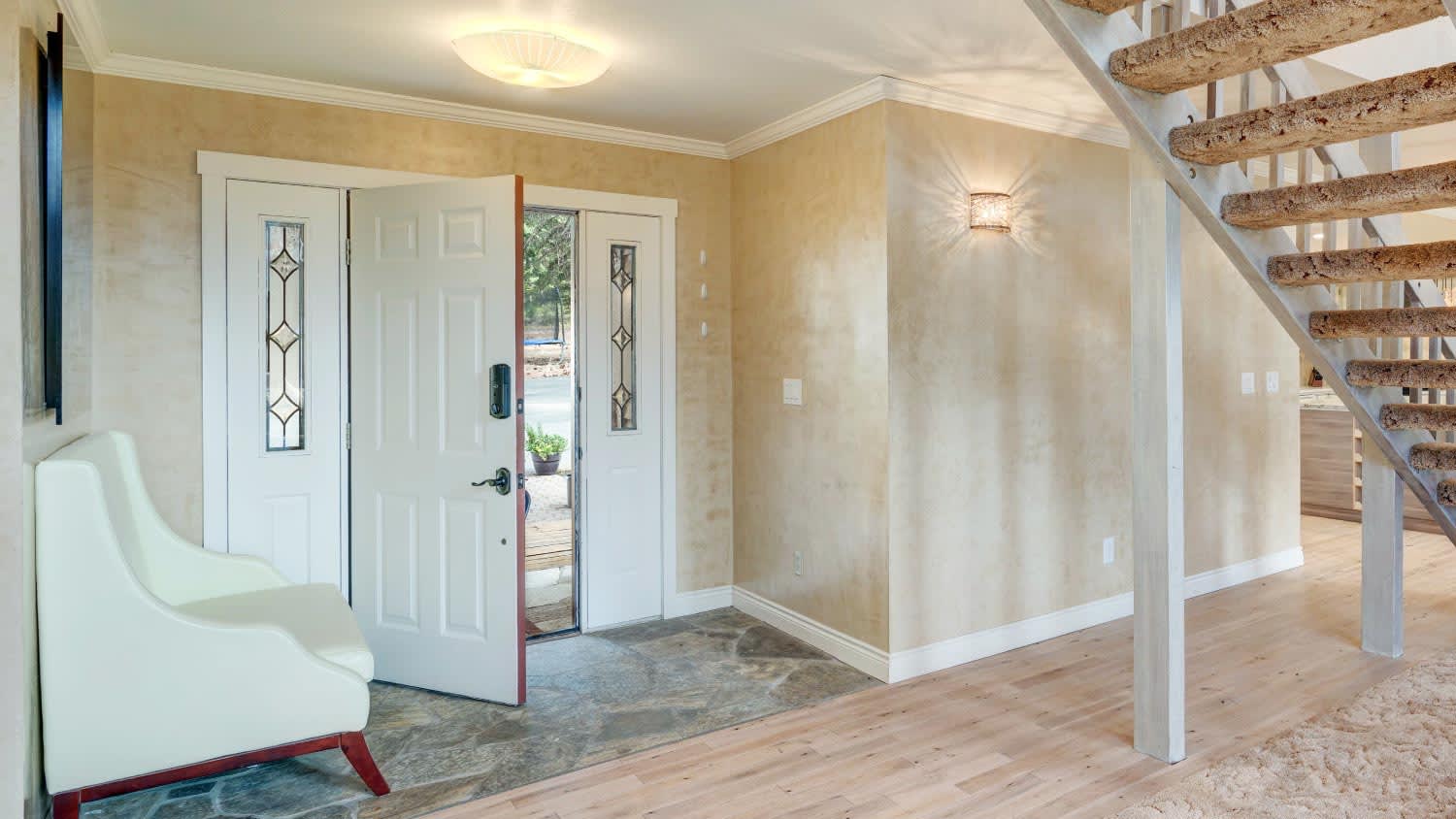
Venetian plaster can add depth and texture to your aesthetic. Learn how much Venetian plaster costs based on factors like square footage and whether you hire a pro to help.
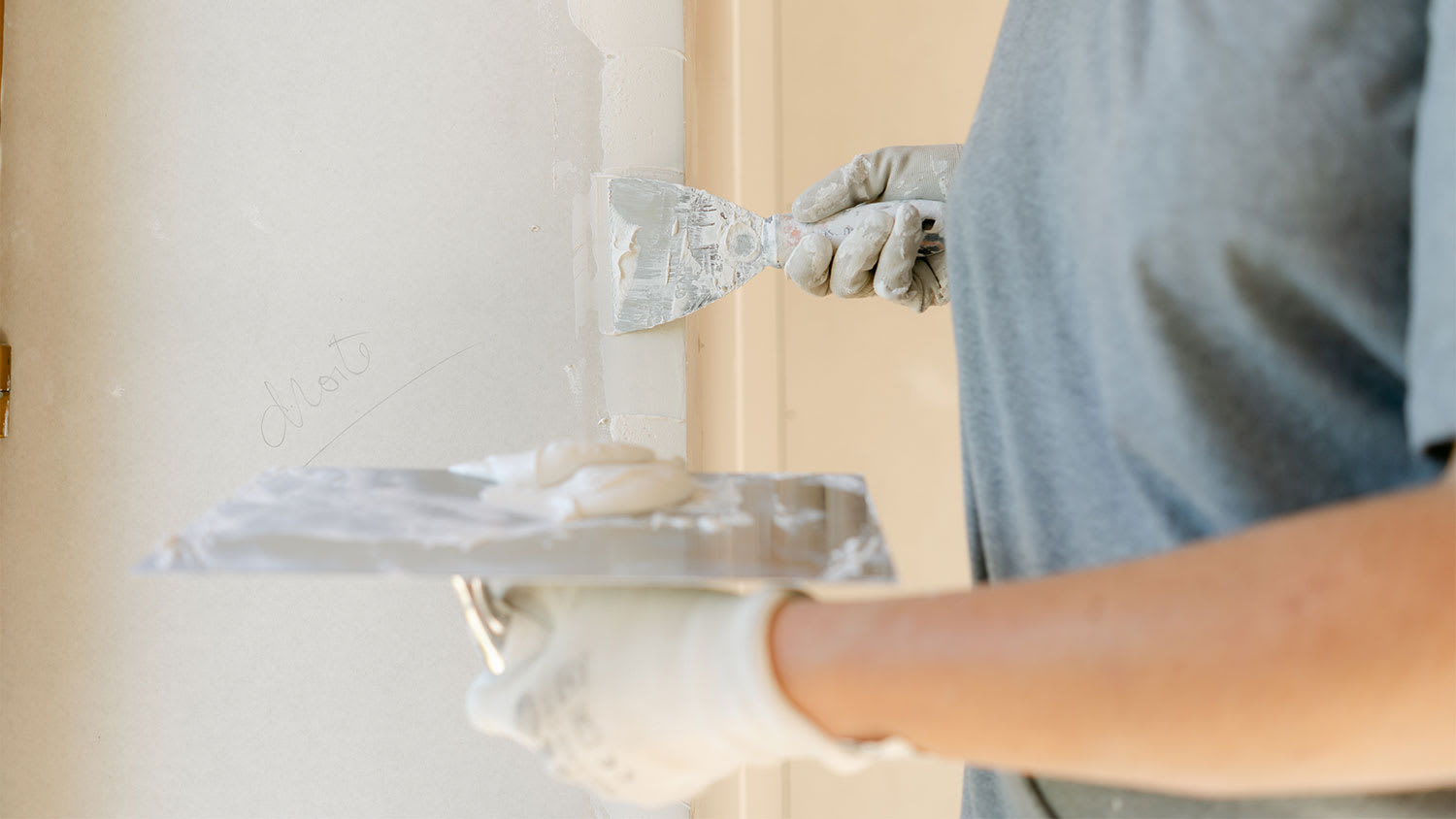
Finding a qualified plaster repair pro? Learn how to hire the right specialist, what questions to ask, and what to expect for your project.
Planning a plaster repair project? Learn about the process, average costs to expect, and how to hire the right local pro to restore your walls.

You can find plaster walls in a lot of older homes. What’s behind these walls—whether that’s lath or calcimine—can have an impact on how long they last. Finding out the age of your house can help you determine what you’re dealing with.