






"I just pay $75 you never know who's going to come out. They do everything electrical. Just about everything is covered except the septic tank. I had an air conditioner replaced. It went great, all I had to do was pay for the freon. He didn't charge e more than what was needed."
Dillon's specializes doing it right the first time. We do a wide variety of work around you home or yard with an emphasis on quality. We believe one's work should speak for itself, and that is why we have been working in the area for more than a decade. If you need one large project finished, or need some reliable to head multiple big jobs choose Dillon's!
We are a locally owned and operated company with over 16 years of industry experience. We specialize in Additions and Kitchen Remodels, but also offer a wide range of expertise for a variety of other Home Improvement projects. We pride ourselves on the quality of our work as well as our commitment to outstanding results. We look forward to building lasting relationships and guarantee your satisfaction! We are a bilingual company, and are happy to serve both our English and Spanish Speaking communities!\n
A septic smell may be harmful because sewer gas is dangerous depending on the exposure amount and length of time. Sewer gas is made up of multiple gases, including hydrogen sulfide, methane, ammonia, and carbon dioxide. Some of these gases, like hydrogen sulfide and ammonia, are toxic to humans and can be fatal in high concentrations or long exposures.
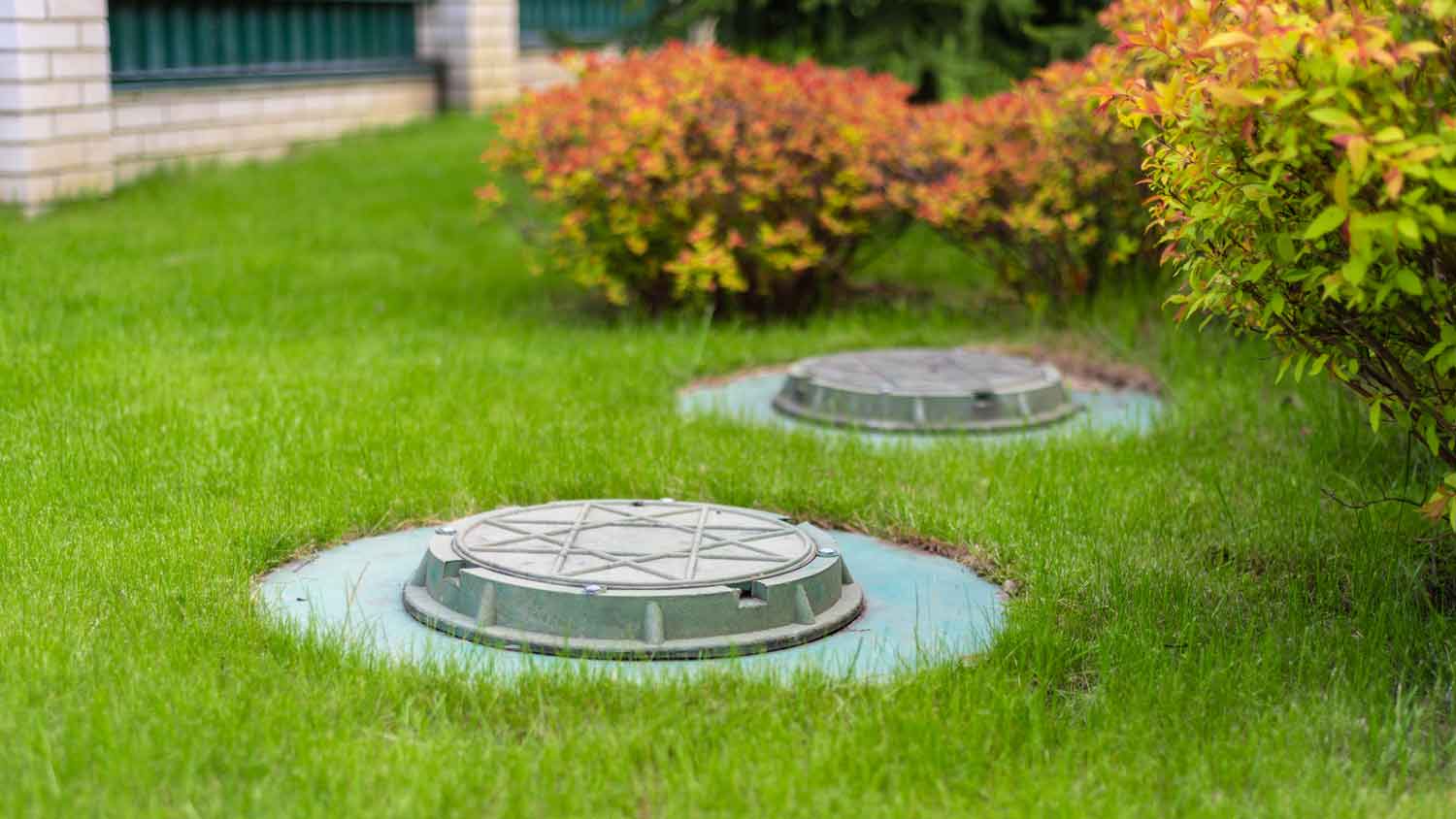
Concrete septic tank risers are heavier and more durable than plastic or fiberglass ones, making them suitable for long-term use. Installing a concrete riser differs from installing plastic or fiberglass risers primarily in the materials and methods used. The process involves cutting the concrete risers to the required length and then stacking them, using concrete sealant or adhesive between sections for secure attachment. Due to their weight, extra care is necessary during leveling and the attachment of sections. Concrete sealant or adhesive may also require a curing before the riser is ready for use.
Trenches are typically 12 to 24 inches deep and 8 inches wide. However, the required depth depends on the specific project and local ordinances. For example, a French drain may need to be 18 inches deep, while a water pipe might require a depth of 24 inches and a drainage pipe 36 inches. Your city or county may have specific regulations, so it's wise to consult with an excavation professional to determine the correct depth for your project.
The pressure in a well pressure tank should be set 2 to 3 PSI below the pump's cut-on pressure. The cut-on pressure is the lower number in the pressure setting (e.g., the '30' in 30/50 PSI) and is the point at which the pump starts. The cut-out pressure is the higher number, where the pump stops.
For example:
If your pressure switch is set to 30/50 PSI, the tank pressure should be 27-28 PSI.
If your pressure switch is set to 40/60 PSI, the tank pressure should be 38 PSI.
Common pressure settings for household applications include 20/40, 30/50, and 40/60 PSI. The difference between the cut-on and cut-out pressure is typically 20 PSI.
Most deep wells can be expected to last somewhere between 30 and 50 years. This assumes that the well and all of its components are properly maintained on a regular basis. During this time, it is unlikely that modern deep wells will run dry over the course of their typical lifespan. That is one of the biggest benefits of digging a deeper well.
The Madison, SD homeowners’ guide to septic tank services
From average costs to expert advice, get all the answers you need to get your job done.
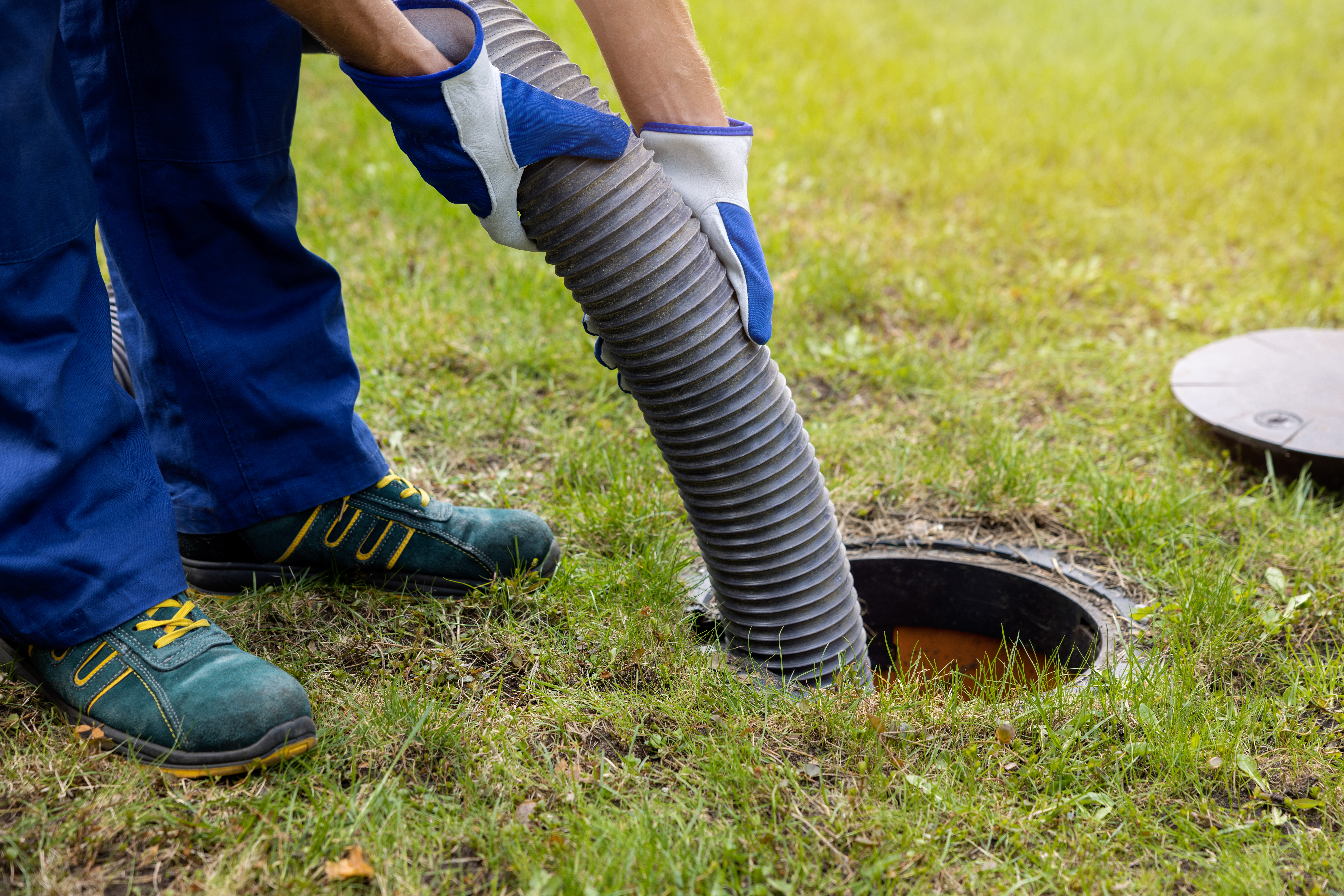
Caring for your septic system is crucial to ensuring its long life. But how much does it cost to pump a septic tank? We explore the different cost factors.
A damaged septic system can leak odors and sewage, so repairs are urgent. Find out how much septic tank repair costs based on repair type, tank size, and more.
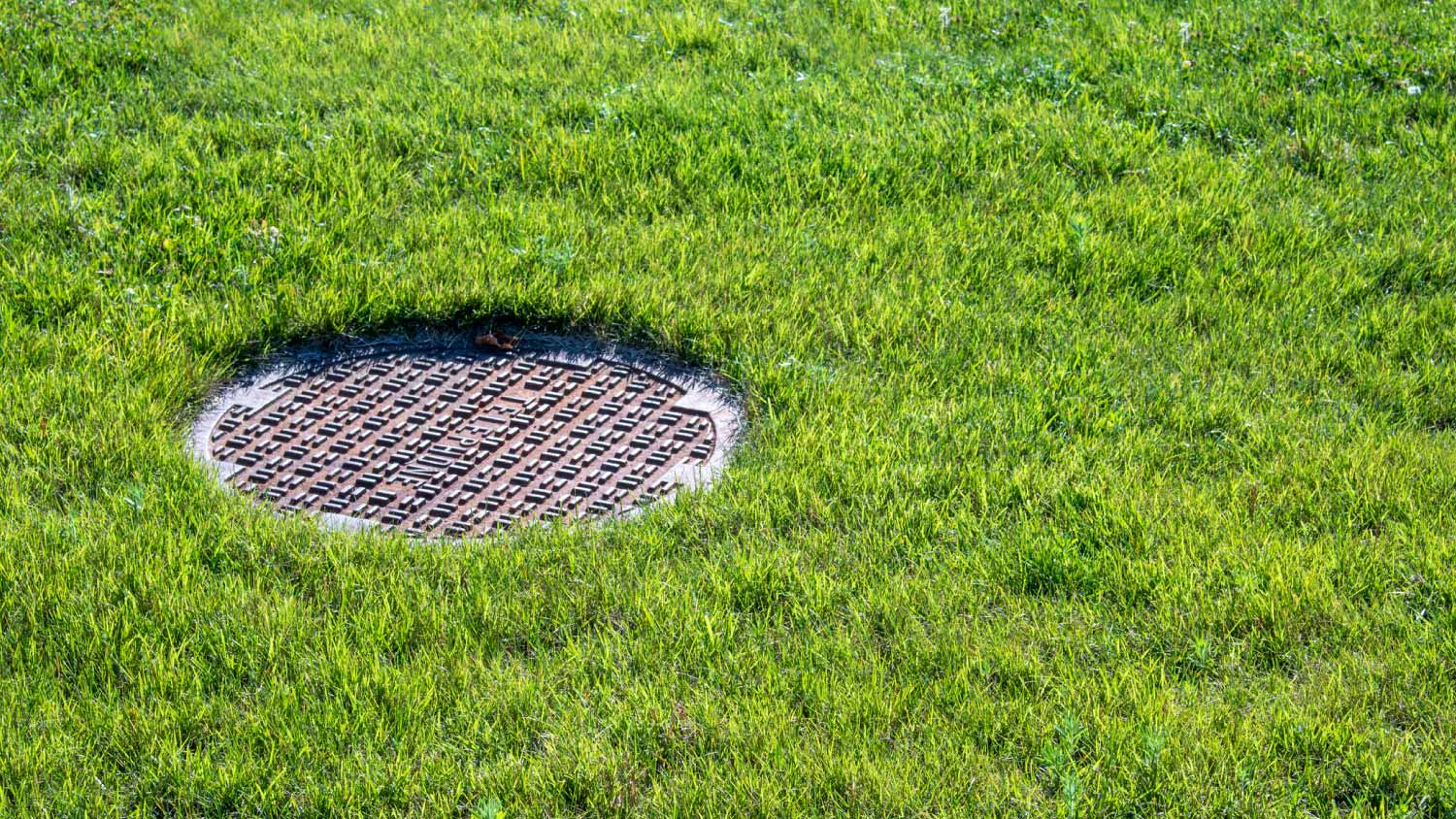
Septic tank risers make it easy to access your septic tank when it’s time for routine inspection, maintenance, and pumping, saving you precious time and labor costs.
Septic tank sizes vary depending on the size of your home, how many people live there, how much water you use, and more. Read on to learn how to determine the right size for you.