



Top-rated septic tank pros.

Get matched with top septic tank pros in Pipestone, MN

Enter your zip and get matched with up to 5 pros

Need a pro for your septic tank service project in Pipestone, MN?

Select your specific project to find the pro for you.

Find Septic tank pros in Pipestone

Avatar for American Home Shield – Home Warranty
American Home Shield – Home Warranty
3.5(
5,688
)
Septic System - Install or ReplaceSeptic System - Install or Replace - For BusinessSeptic System - Repair+3 more

Serving Pipestone, MN and surrounding areas

In business since 1971

Credit card accepted

"The technician emptied the freezer, which was in the basement, to work on the part that needed repair. Then he neglected to put anything back into the freezer, including a turkey I had bought for Christmas and a rack of ribs. Two days after he left, I went out of town for two weeks. The turkey actually exploded and spewed its liquid all over everything, which had to be discarded. I let AHS know and they couldn't even bother to call me or follow up on this. I'm considering not renewing my contract with them because of the quality (or lack thereof) of many of the providers they send."

Additional Photos
Additional Photos
Additional Photos
Additional Photos
Additional Photos

+2

Recommended by65%of homeowners
Septic Tanks questions, answered by experts

Getting well water tested costs $100 to $350 if done by a pro. You can also buy DIY test kits for $20 to $100, but professional tests are more reliable. You can get a comprehensive well inspection, which includes advanced water testing, for $700 to $750, which you should do yearly anyway.

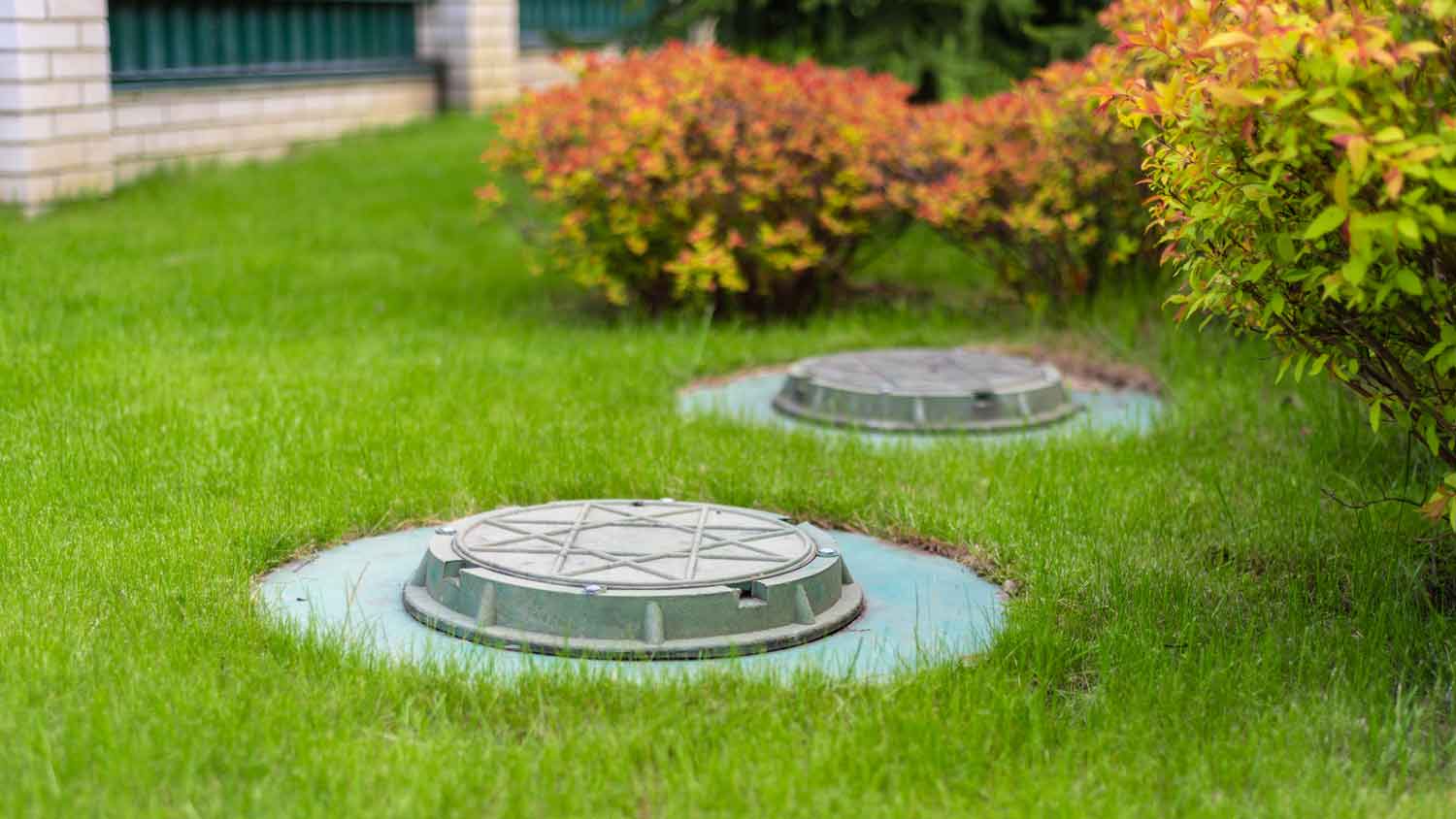
While not strictly necessary for your septic system to operate, septic tank risers are a highly beneficial and wise choice for homeowners. They provide easy access to your tank, which makes regular maintenance, inspections, and addressing issues significantly easier and less labor-intensive. By eliminating the need for repeated excavation to locate the tank, risers can save you money, labor, and energy in the long run. This easy access allows you to proactively manage your septic system, addressing potential problems before they become costly and ensuring the system's longevity. Additionally, some local regulations may require risers, and installing them can help you avoid potential fines or penalties.

Depending on local conditions, a deep well may be a better choice than a shallow well. Deeper well depth accesses groundwater that has been naturally filtered through many layers of soil and rock. This reduces surface contaminants and may offer cleaner water, but deep wells cost more money to build and maintain. The water may be harder and have higher radioactivity, too. 

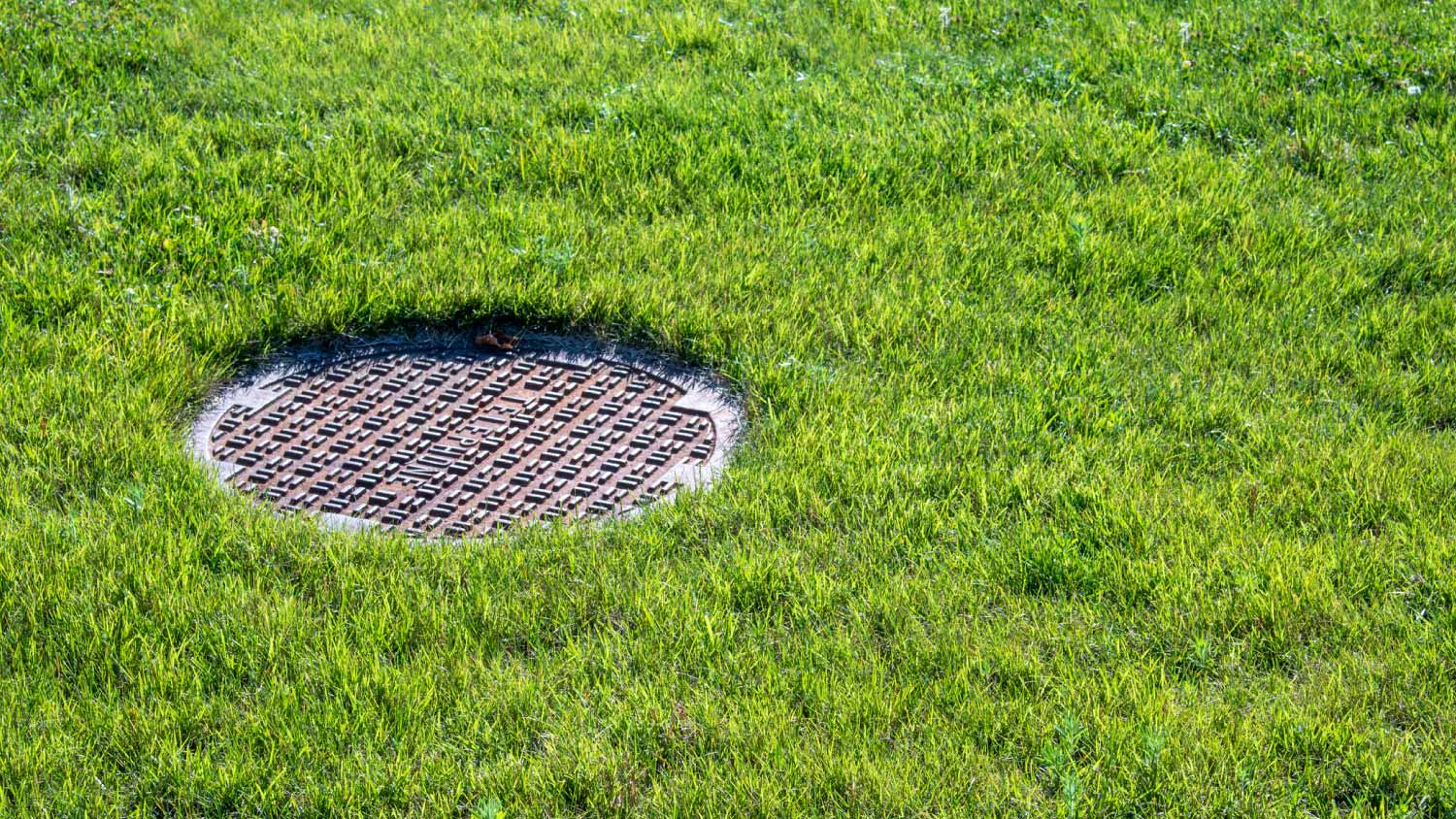
There is no standard depth for burying a septic tank; they are typically buried anywhere from 4 inches to 4 feet underground. The final depth depends on several factors, including the depth of your main sewer line, the height of the bedrock, soil type, local regulations, and the property's landscape. If you plan to grow grass or plants over the tank, a depth of at least 4 to 6 inches is recommended. Deeper tanks can be more difficult to locate, but a septic professional can help find it for you.

How to size a well pressure tank is determined by three factors: flow rate, or how many gallons per minute your well pump produces; minimum runtime; and pressure switch setting. Most pressure tanks have a pressure switch operating at 20/40, 30/50, and 40/60—the first number is the pressure needed for the pump to turn on, and the second number is the pressure needed for the pump to switch off. Most homeowners relying on well water require a water pressure tank ranging from 20 to 80 gallons. 

The Pipestone, MN homeowners’ guide to septic tank services

From average costs to expert advice, get all the answers you need to get your job done.