







Top-rated septic tank pros.

Best septic tank pros near Salem, SD

Enter your zip and get matched with up to 5 pros

Need a pro for your septic tank service project in Salem, SD?

Select your specific project to find the pro for you.

Top-Rated Septic tank pros in Salem - Updated Nov 2026

Avatar for American Home Shield – Home Warranty
American Home Shield – Home Warranty
3.5(
5,689
)
Septic System - Install or ReplaceSeptic System - Install or Replace - For BusinessSeptic System - Repair+3 more

Serving Salem, SD and surrounding areas

In business since 1971

Credit card accepted

"The technician emptied the freezer, which was in the basement, to work on the part that needed repair. Then he neglected to put anything back into the freezer, including a turkey I had bought for Christmas and a rack of ribs. Two days after he left, I went out of town for two weeks. The turkey actually exploded and spewed its liquid all over everything, which had to be discarded. I let AHS know and they couldn't even bother to call me or follow up on this. I'm considering not renewing my contract with them because of the quality (or lack thereof) of many of the providers they send."

Additional Photos
Additional Photos
Additional Photos
Additional Photos
Additional Photos

+2

Recommended by65%of homeowners
Dillon's Dakota Excavating Service
2.8(
2
)
Septic System - Install or ReplaceSeptic System - Install or Replace - For BusinessSeptic System - Repair+1 more

Serving Salem, SD and surrounding areas

In business since 2013

Offers commercial services

Dillon's specializes doing it right the first time. We do a wide variety of work around you home or yard with an emphasis on quality. We believe one's work should speak for itself, and that is why we have been working in the area for more than a decade. If you need one large project finished, or need some reliable to head multiple big jobs choose Dillon's!

Response time1 day
Recommended by50%of homeowners
Septic Tanks FAQs, answered by experts

The average lifespan of a deep well pump is between 15 and 25 years, after which you’ll have to replace it. Several factors can affect the lifespan of a well pump, such as the quality of the unit. Proper maintenance and repair can also help extend your well pump’s lifespan as well as keep adequate water flow and pressure throughout your home.

Yes, shower water goes into the septic tank. Shower water is a type of greywater, and in fact, all water used in a home with a septic system—including water from sinks, toilets, the dishwasher, and the washing machine—drains into the tank. When shower water enters the tank, debris like soap and hair travels with it. The solid debris sinks to the bottom to become sludge, while soap residue joins the scum layer at the top. The remaining water is treated in the tank before moving to the drain field for further treatment and dispersal. It is important to avoid putting oil or harsh chemicals down any drain, as they can cause clogs or disrupt the beneficial bacteria required for proper wastewater management in the septic system.

There are many reasons you may want to extend the depth of an existing well or drill a new, deeper well on your property. A deeper well can tap cleaner water sources—shallow water may contain more contaminants. With a deeper well, you’ll also have an easier time reaching the water table depth (the level at which underground water is found) and can get past tricky soil conditions. 

Plus, if your local building code requires a minimum well depth for safety and environmental standards, you’ll meet the code by digging a deeper well in the first place.

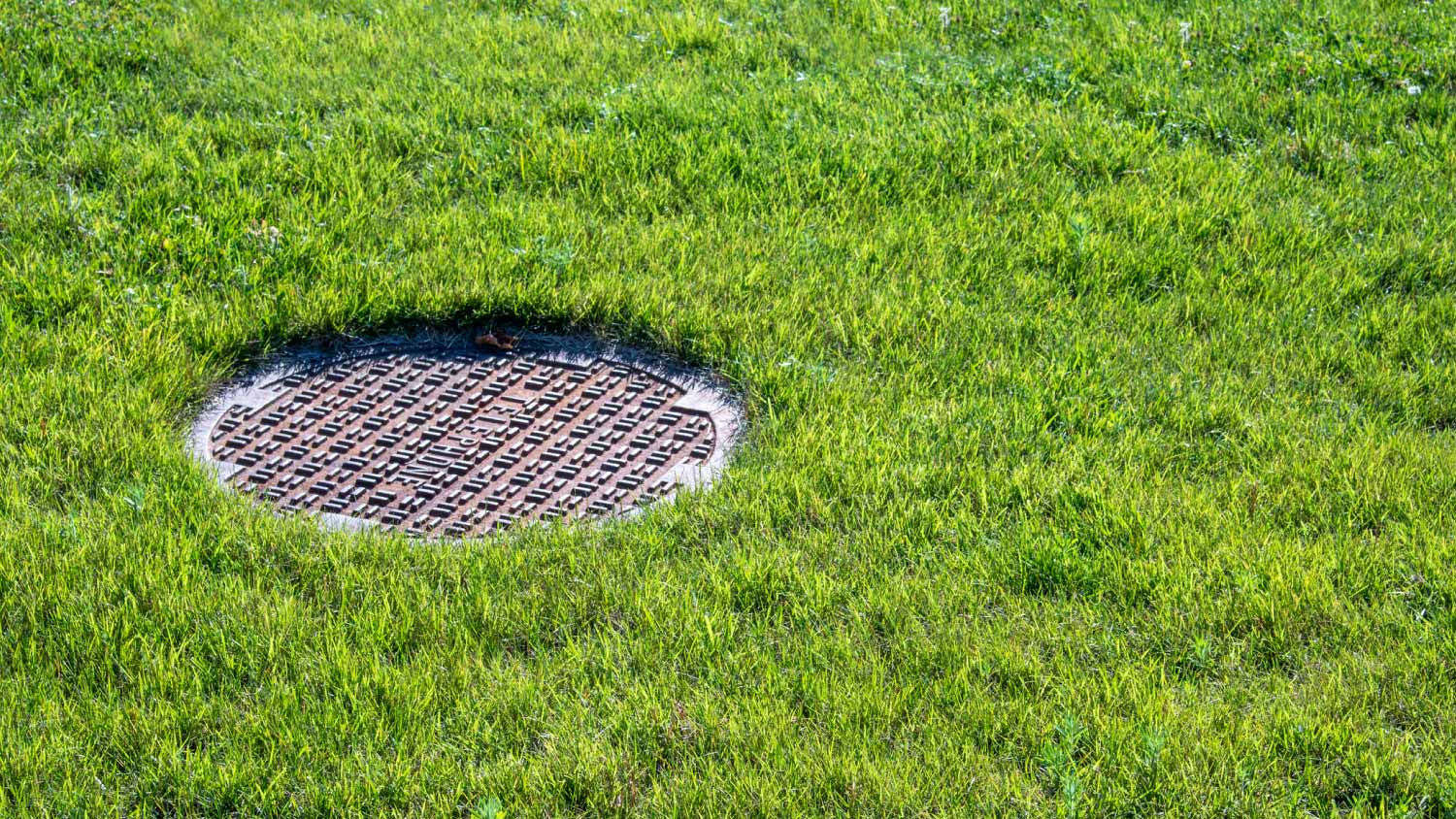
Yes. A metal detector is one of the quickest and easiest ways to find your septic tank. However, metal detectors can be too expensive (costing upward of $300 in some cases), and not everyone has a metal detector just lying around. If that’s the case for you, you can also take a long metal rod and poke it into the ground at regular intervals until you hit something—likely your septic tank lid.

Septic drain lines (or leach lines) are typically buried between 18 and 36 inches underground, and should be at least 6 inches below the surface. These pipes are perforated and surrounded by filtering materials like sand or gravel. Burying the lines at this depth helps minimize odors and allows bacteria and other biological processes in the soil to effectively treat the wastewater. Burying lines too close to the surface can cause issues unless the soil is very compact and stable.

The Salem, SD homeowners’ guide to septic tank services

From average costs to expert advice, get all the answers you need to get your job done.