




Top-rated septic tank pros.

Get matched with top septic tank pros in Brandon, SD

Enter your zip and get matched with up to 5 pros

Need a pro for your septic tank service project in Brandon, SD?

Select your specific project to find the pro for you.

Find Septic tank pros in Brandon

Avatar for American Home Shield – Home Warranty
American Home Shield – Home Warranty
3.5(
5,688
)
Septic System - Install or ReplaceSeptic System - Install or Replace - For BusinessSeptic System - Repair+3 more

Serving Brandon, SD and surrounding areas

In business since 1971

Credit card accepted

"The technician emptied the freezer, which was in the basement, to work on the part that needed repair. Then he neglected to put anything back into the freezer, including a turkey I had bought for Christmas and a rack of ribs. Two days after he left, I went out of town for two weeks. The turkey actually exploded and spewed its liquid all over everything, which had to be discarded. I let AHS know and they couldn't even bother to call me or follow up on this. I'm considering not renewing my contract with them because of the quality (or lack thereof) of many of the providers they send."

Additional Photos
Additional Photos
Additional Photos
Additional Photos
Additional Photos

+2

Recommended by65%of homeowners

Septic Tanks questions, answered by experts

Yes, shower water goes into the septic tank. Shower water is a type of greywater, and in fact, all water used in a home with a septic system—including water from sinks, toilets, the dishwasher, and the washing machine—drains into the tank. When shower water enters the tank, debris like soap and hair travels with it. The solid debris sinks to the bottom to become sludge, while soap residue joins the scum layer at the top. The remaining water is treated in the tank before moving to the drain field for further treatment and dispersal. It is important to avoid putting oil or harsh chemicals down any drain, as they can cause clogs or disrupt the beneficial bacteria required for proper wastewater management in the septic system.

There are many potential causes of low well water pressure. The most common include sediment buildup, leaking pipes, a failing well pump, or a cracked pressure tank. 

The lifespan of your well casing depends mainly on the material it’s made from. Stainless steel and galvanized steel casings are designed to withstand the pressures and environment of deep-water wells but are susceptible to corrosion. Most steel casings last from 20 to 35 years, on average. PVC casing is highly durable and, if used correctly, can last up to 50 years.

Yes, it is possible to drill a well by hand, but it calls for a good deal of physical labor. Drilling a well by hand is best suited for softer soil, and it may not be possible through rockier terrain. For wider and deeper holes, companies with professional equipment make the job much easier.

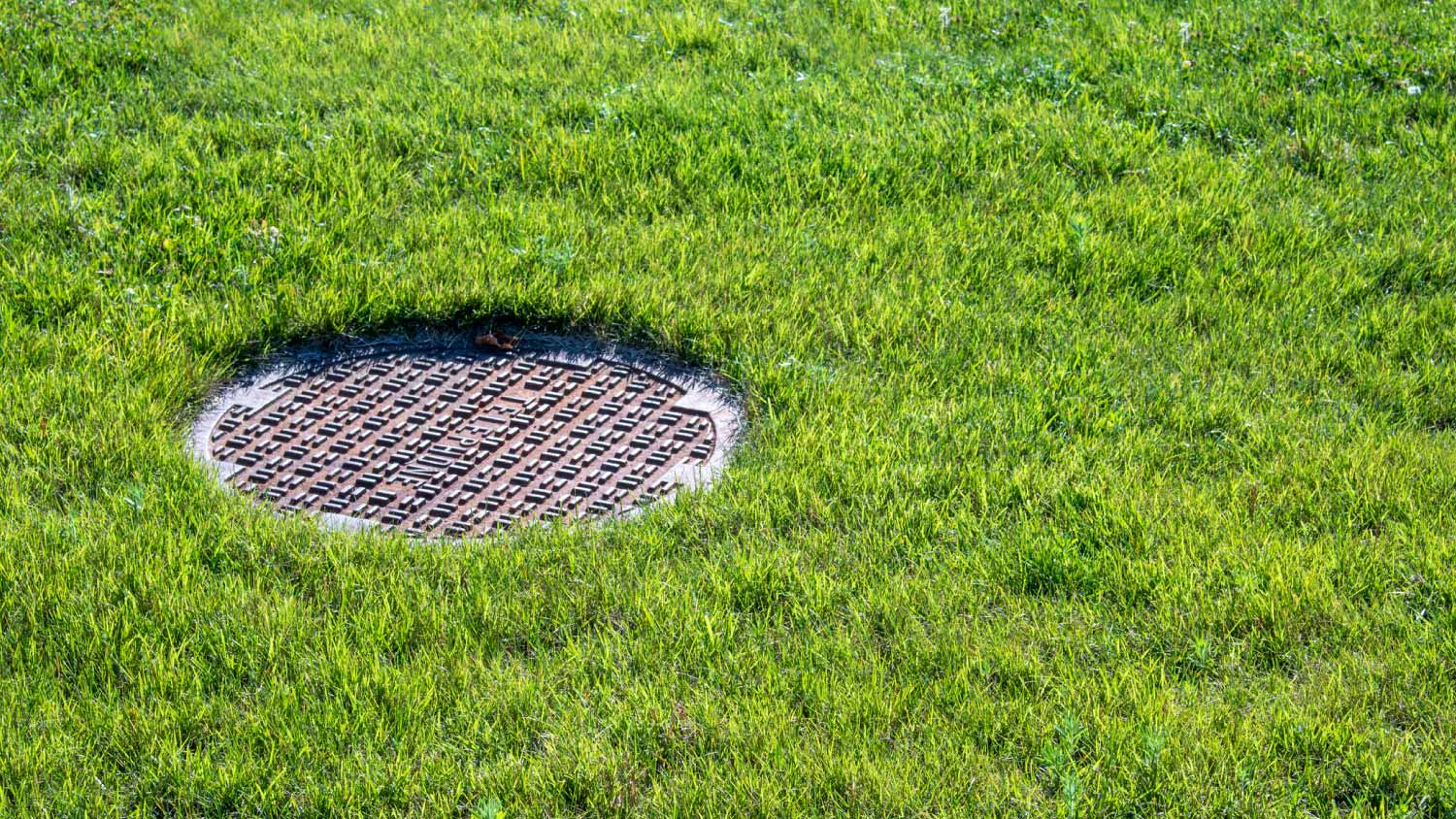
There is no standard depth for burying a septic tank; they are typically buried anywhere from 4 inches to 4 feet underground. The final depth depends on several factors, including the depth of your main sewer line, the height of the bedrock, soil type, local regulations, and the property's landscape. If you plan to grow grass or plants over the tank, a depth of at least 4 to 6 inches is recommended. Deeper tanks can be more difficult to locate, but a septic professional can help find it for you.

The Brandon, SD homeowners’ guide to septic tank services

From average costs to expert advice, get all the answers you need to get your job done.