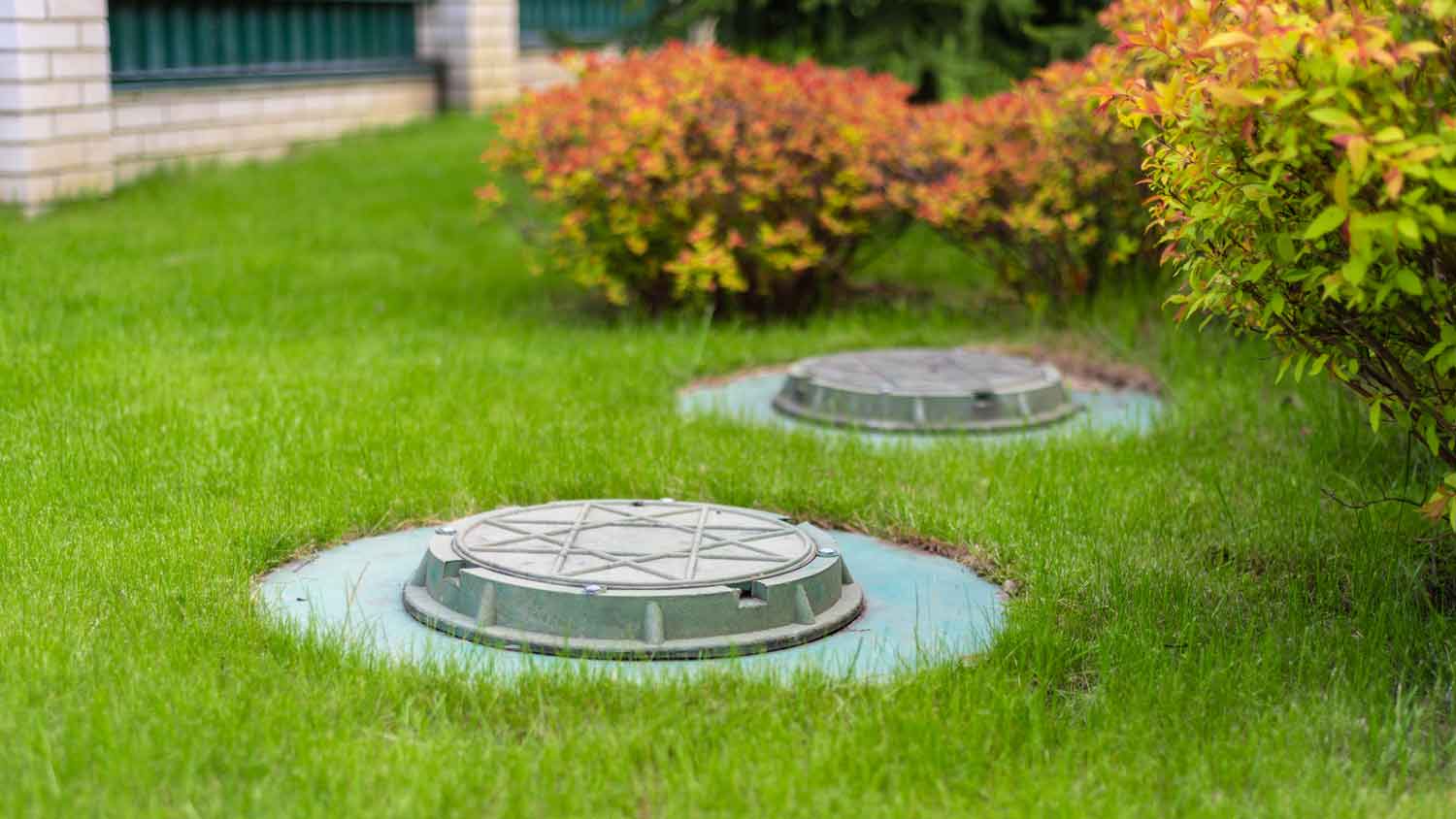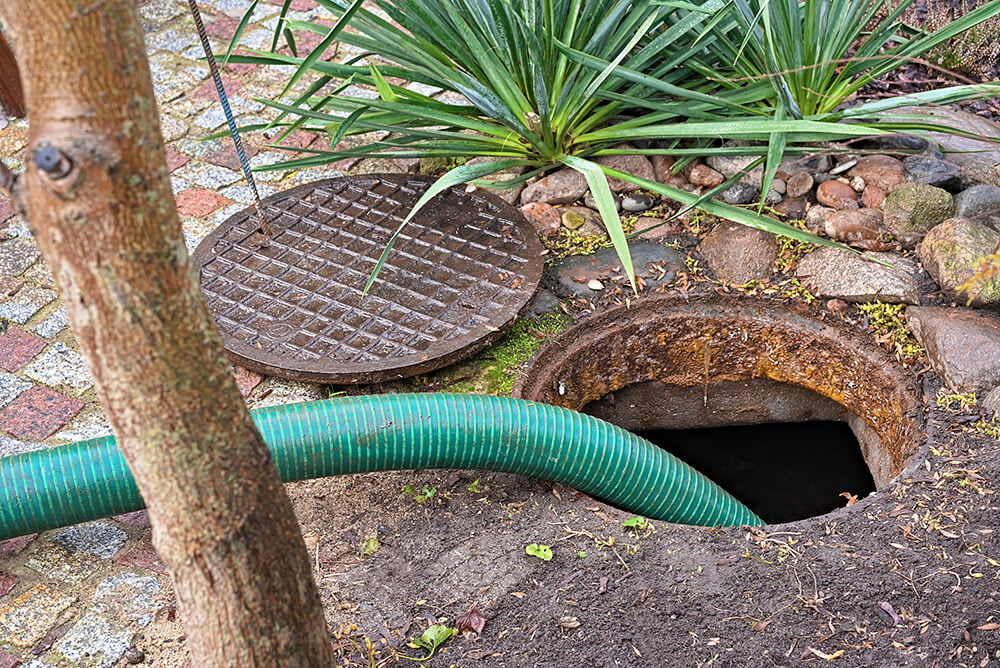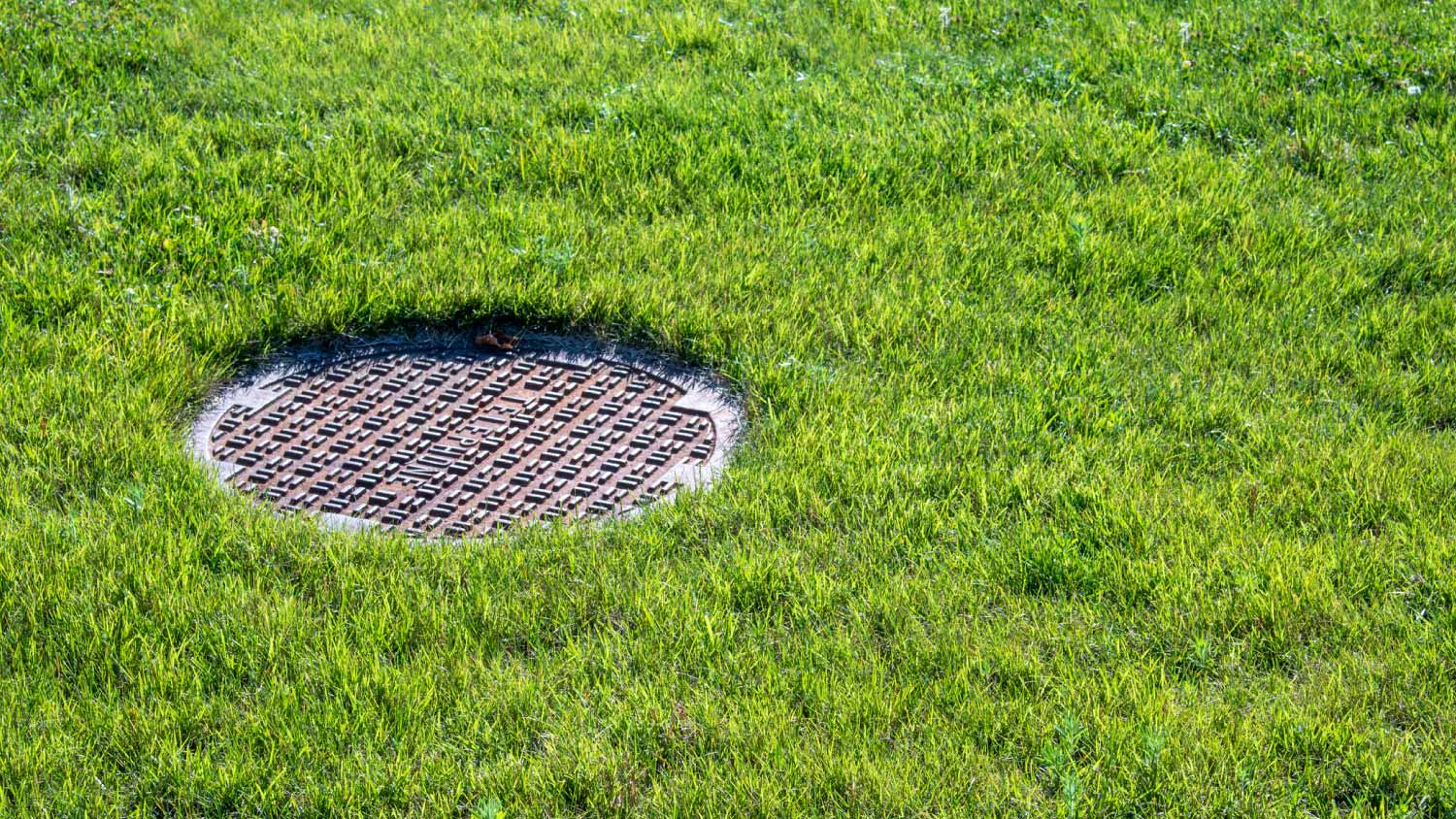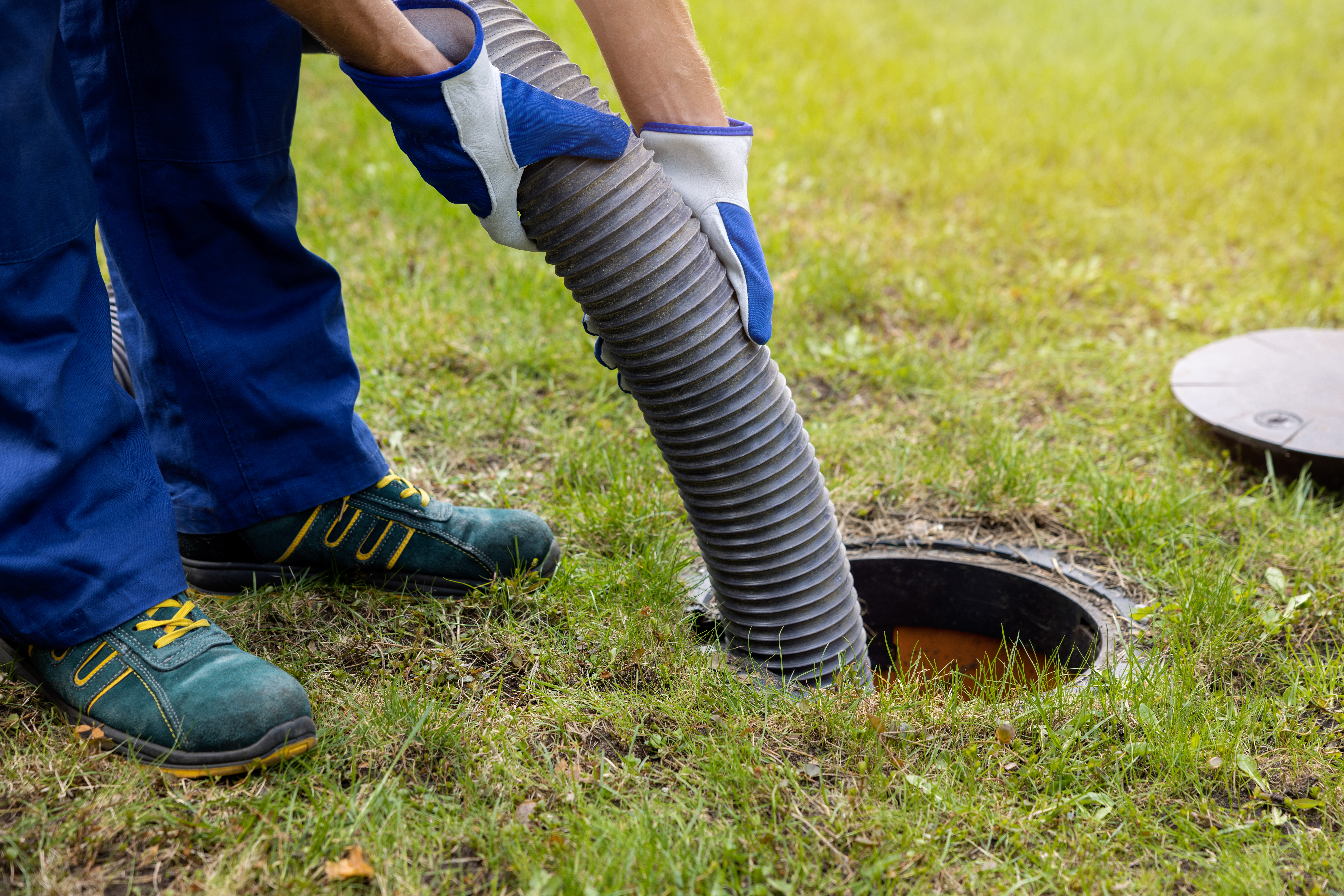











You can find your septic tank using a few different methods. For one, you can check your property records at your local municipal office. You can also inspect your yard looking for a depression, a septic tank lid, or lush septic-area vegetation which would indicate a leach field. You can also follow your pipes from the home to the yard. If you can't find your septic tank on your own, a local septic pro can help.
Septic tank locations are sometimes public record, although it depends on local laws and the property age. Older properties may not have the septic tank information on public record. To check, you can talk to local permitting agencies, such as your local health department, the local environmental department, or the county clerk.
There is no standard depth for burying a septic tank; they are typically buried anywhere from 4 inches to 4 feet underground. The final depth depends on several factors, including the depth of your main sewer line, the height of the bedrock, soil type, local regulations, and the property's landscape. If you plan to grow grass or plants over the tank, a depth of at least 4 to 6 inches is recommended. Deeper tanks can be more difficult to locate, but a septic professional can help find it for you.
A mound septic system, when properly maintained, can last between 20 and 25 years on average—though some last longer or malfunction sooner than that. The most important part of maintenance is getting an annual inspection of the vital parts of the system to ensure they’re in proper working order and not too backed up with sewage.
How do you set your well’s pressure tank? All you need to do is first drain the tank of water and find the pressure switch. Remove the switch cover and adjust the switch with a wrench—clockwise to increase water pressure, and counter-clockwise to reduce it. Each complete turn of the nut on the switch should equal 2.5 psi. Once this is done, replace the switch cover. All that’s left is to adjust the pressure of the tank itself using an air compressor and a tire gauge to support the new setting.
The Lyons, SD homeowners’ guide to septic tank services
From average costs to expert advice, get all the answers you need to get your job done.
Caring for your septic system is crucial to ensuring its long life. But how much does it cost to pump a septic tank? We explore the different cost factors.
A damaged septic system can leak odors and sewage, so repairs are urgent. Find out how much septic tank repair costs based on repair type, tank size, and more.