






Top-rated septic tank pros.

Get matched with top septic tank pros in Canton, SD

Enter your zip and get matched with up to 5 pros

Need a pro for your septic tank service project in Canton, SD?

Select your specific project to find the pro for you.

Find Septic tank pros in Canton

Avatar for American Home Shield – Home Warranty
American Home Shield – Home Warranty
3.5(
5,688
)
Septic System - Install or ReplaceSeptic System - Install or Replace - For BusinessSeptic System - Repair+3 more

Serving Canton, SD and surrounding areas

In business since 1971

Credit card accepted

"The technician emptied the freezer, which was in the basement, to work on the part that needed repair. Then he neglected to put anything back into the freezer, including a turkey I had bought for Christmas and a rack of ribs. Two days after he left, I went out of town for two weeks. The turkey actually exploded and spewed its liquid all over everything, which had to be discarded. I let AHS know and they couldn't even bother to call me or follow up on this. I'm considering not renewing my contract with them because of the quality (or lack thereof) of many of the providers they send."

Additional Photos
Additional Photos
Additional Photos
Additional Photos
Additional Photos

+2

Recommended by65%of homeowners

Septic Tanks questions, answered by experts

Yes, shower water goes into the septic tank. Shower water is a type of greywater, and in fact, all water used in a home with a septic system—including water from sinks, toilets, the dishwasher, and the washing machine—drains into the tank. When shower water enters the tank, debris like soap and hair travels with it. The solid debris sinks to the bottom to become sludge, while soap residue joins the scum layer at the top. The remaining water is treated in the tank before moving to the drain field for further treatment and dispersal. It is important to avoid putting oil or harsh chemicals down any drain, as they can cause clogs or disrupt the beneficial bacteria required for proper wastewater management in the septic system.

There are a couple of ways you can determine the depth of your well. One method is to use a device called a well sounder. This tool has a long measuring tape containing a sensor to alert you once the end reaches the water. 

Or you can DIY it by using a long tape measure with a half-filled bottle of water attached to it. Lower the tape measure into your well. Once you feel tension on the tape, you’ll know the bottle has reached your static water level. This will give you an approximate idea of your well’s depth.

Yes! Toilet paper can be flushed if you use a septic tank. While unique toilet papers designed to be used with septic tanks are available, many people have no problem flushing regular toilet paper with a septic tank, so long as you don’t flush too much toilet paper all at once. Do not flush any type of baby wipes or bathroom wipes, even if they say “flushable.”

How to size a well pressure tank is determined by three factors: flow rate, or how many gallons per minute your well pump produces; minimum runtime; and pressure switch setting. Most pressure tanks have a pressure switch operating at 20/40, 30/50, and 40/60—the first number is the pressure needed for the pump to turn on, and the second number is the pressure needed for the pump to switch off. Most homeowners relying on well water require a water pressure tank ranging from 20 to 80 gallons. 

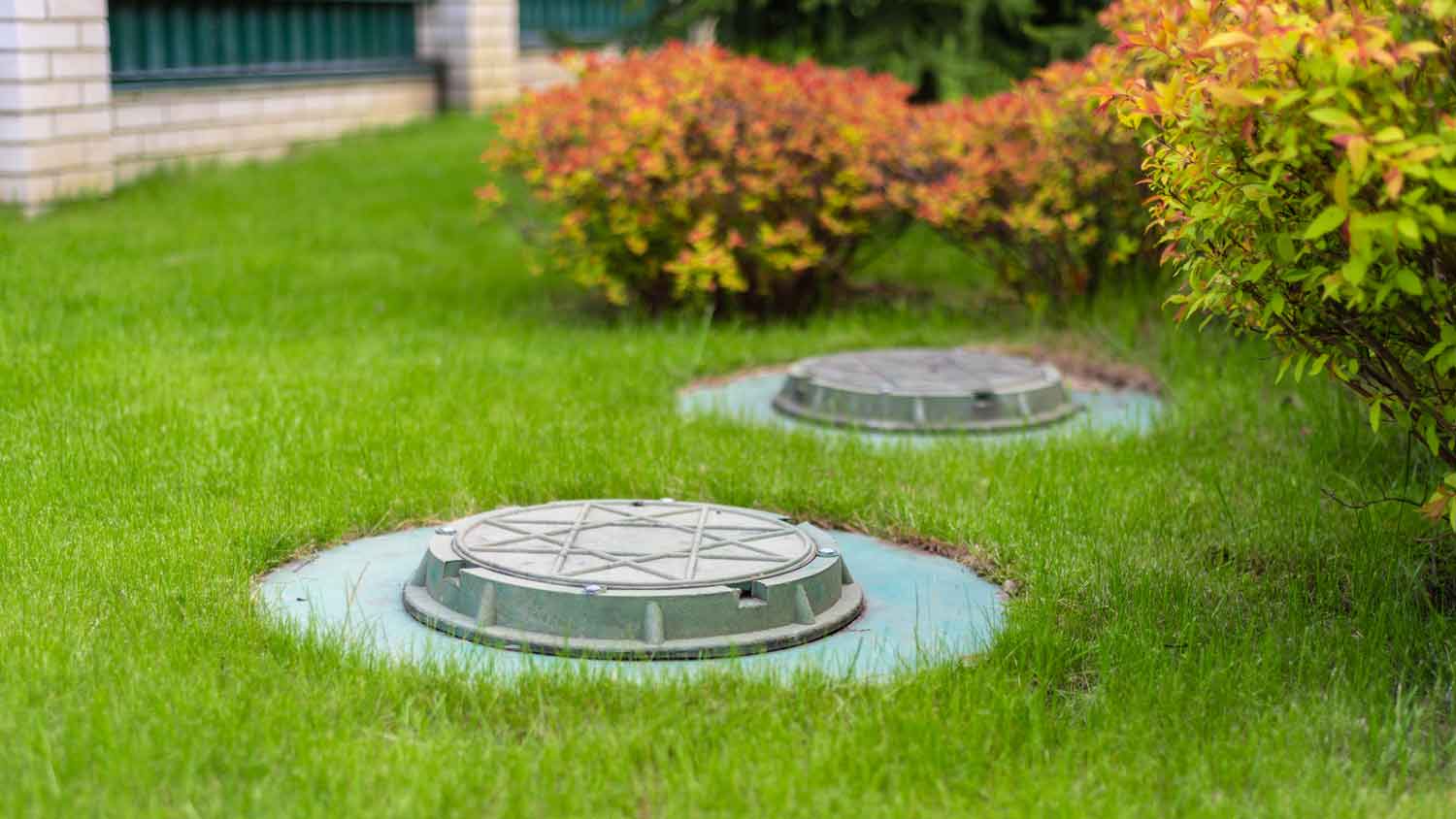
Start by finding the septic tank, marked by an access lid near your home. From there, the drain field extends outward in a series of trenches. Look for greener, lusher grass, as drain fields promote plant growth due to moisture and fertilizer. You can also check property records, use a soil probe to detect damp soil, or hire a septic professional with ground-penetrating radar equipment to map the drain field’s location.

The Canton, SD homeowners’ guide to septic tank services

From average costs to expert advice, get all the answers you need to get your job done.