Some snake repellents are risky to use around people and pets because they use the active ingredient in mothballs, naphthalene. The United States Environmental Protection Agency (EPA) has classified naphthalene as a carcinogen that can cause damage to the liver, neurological issues, and cataracts.
The Colorado State University Extension suggests there’s not enough conclusive evidence of the effectiveness of snake repellents to recommend their use.
If the cat is stray (you noticed a collar or other signs of domestication), the kind thing to do is to try and find the owner. Call around to other neighbors to see if they can lead you in the right direction. If you can get close enough to snap a picture, try posting an image of the cat to local community groups and pages on social media.
If the cat is feral, you can try to humanely trap them and participate in a local shelter’s TNR program. Before attempting capture, call around to local rescues and shelters to make sure one near you does participate in a TNR program. They may even be able to catch the cat for you.
Many people have reported success in using dryer sheets to deter mice. This result is likely due to the strong scent that the rodents don’t find favorable. However, using dryer sheets alone may not be a foolproof solution, and it's often better to combine various preventive measures, such as traps, repellent sprays, and proper storage practices, to protect your car from rodent infestations more effectively.
Like many other rodents, squirrels can be a little difficult to get rid of (especially in the case of an infestation), but the best approach is to make the place as unattractive to squirrels as possible. If you do have an infestation inside your home, then professional help may be necessary so you can lay as many traps as possible.
Luckily, skunks aren’t challenging to get rid of. You can try to remove them slowly by filling their den entryway loosely with newspaper. Many skunks notice their den is in jeopardy and take off on their own. You can also try making a homemade spray of jalapeno pepper, yellow onion, and cayenne pepper—believe it or not, skunks are sensitive to these smells, so if you spray this around the den or in hard-to-reach places around your property, most skunks will take the hint and leave.
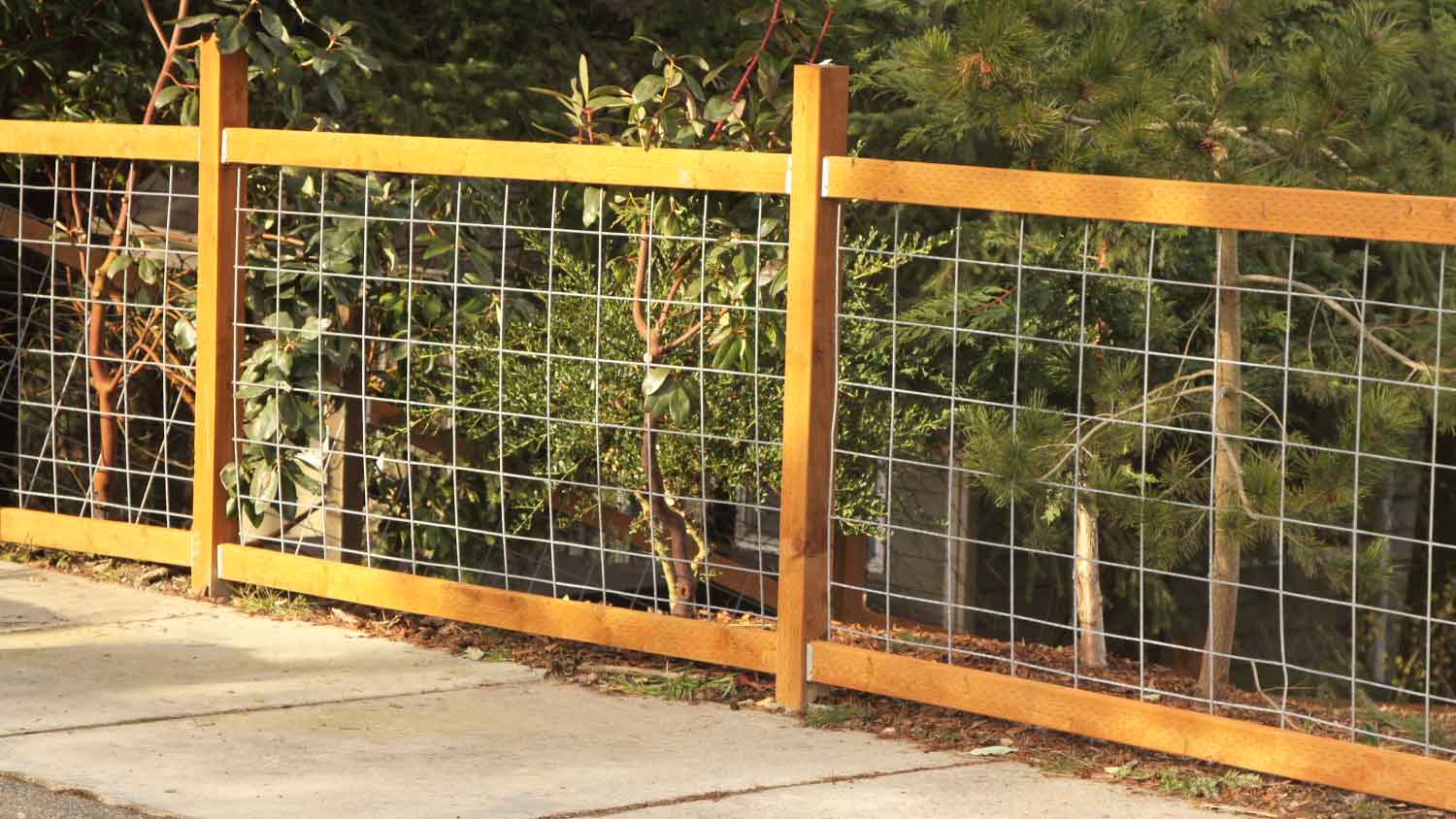
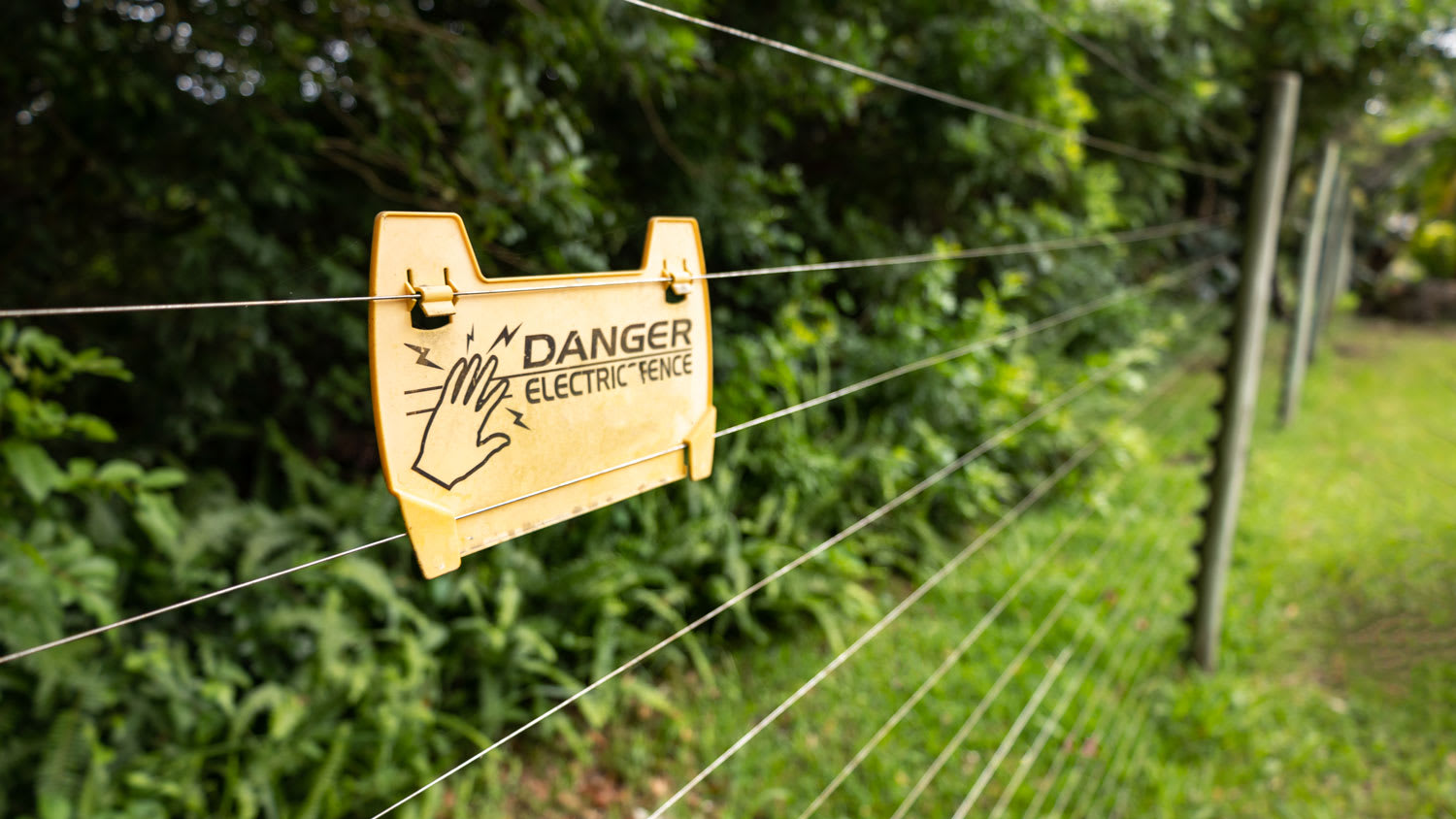
The Onida, SD homeowners’ guide to animal fencing services
From average costs to expert advice, get all the answers you need to get your job done.
Pipe fencing is an extremely strong, durable option for containing horses and other livestock. This guide breaks down the factors that affect pipe fence cost.