It can be difficult to know what type of animal is in your attic until you see it. But several clues can help you narrow down the suspects:
Sounds: Smaller animals like rats and mice make scurrying and tapping/gnawing sounds. Larger animals like raccoons and opossums make louder clambering noises. Also, note when animals are noisy: Squirrels are active during the day, while rats are busiest at night.
Droppings: Rats and mice leave small, rice-shaped droppings (the rat’s version is significantly larger). Bigger droppings belong to larger critters like raccoons. As long as you’re not squeamish, an image search can help you identify what you’re seeing in your attic.
When in doubt, take photos of damage or other evidence and show them to an experienced pest control pro.
Generally, squirrels are not considered aggressive toward humans. They are more likely to flee than confront people. However, like many animals, they may exhibit aggressive behavior if they feel threatened or cornered. If you approach a squirrel too closely or try to handle it, especially if it's a mother protecting her young, it may resort to defensive tactics such as biting or scratching.
Badgers are nocturnal, which means they’re most active at night. This is when they leave their homes and go out in search of food. They’re also creatures of habit, so they will continue going back to the same places when they are active, as long as there doesn’t appear to be any danger.
The best way to permanently get rid of skunks is by setting up deterrents around your property to keep skunks out. Get rid of skunks permanently by:
Not leaving food or water outside
Installing a motion-sensor sprinkler system
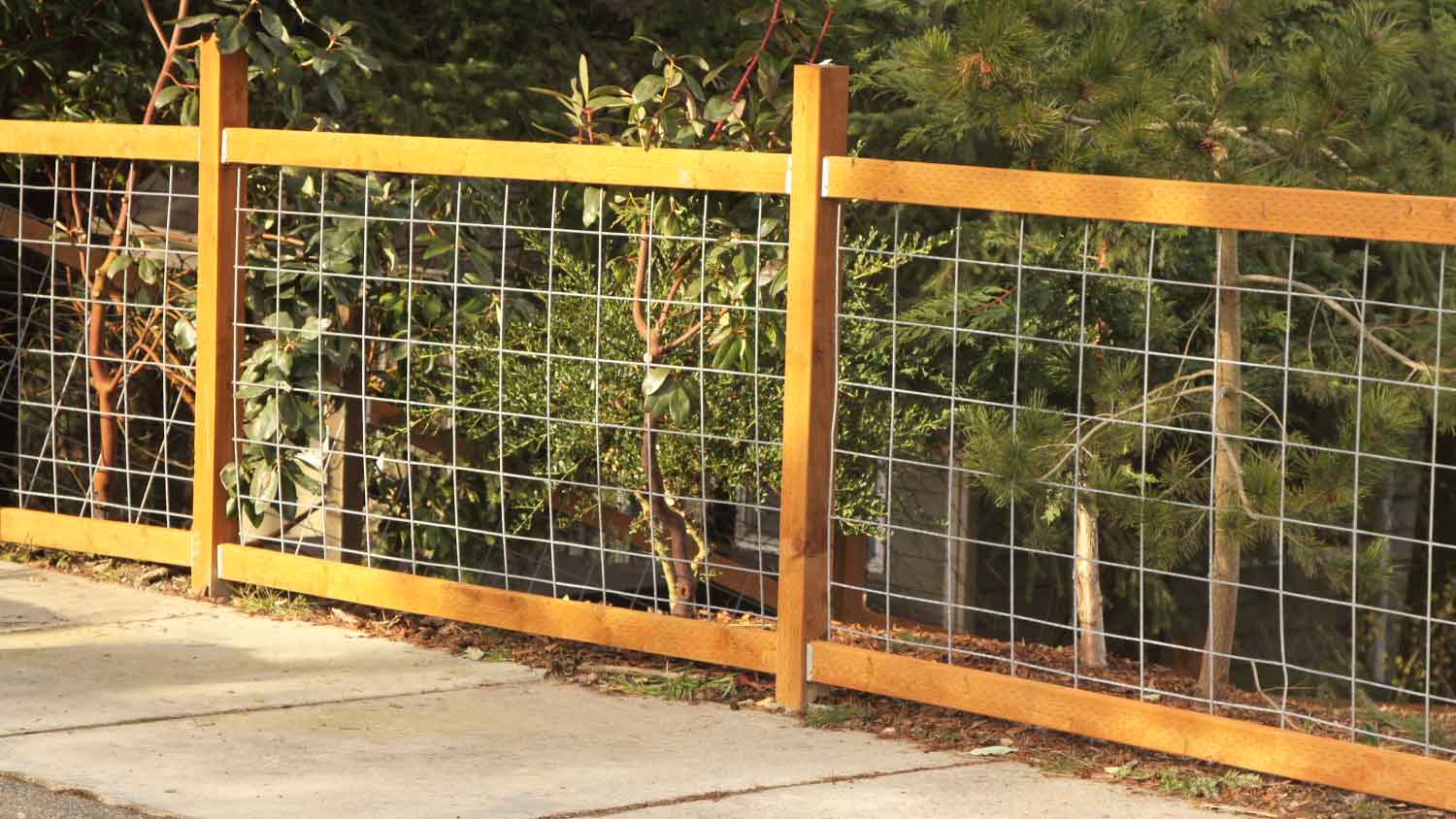
Installing fencing that’s at least 3 feet high and a foot deep
Adding motion-sensor lights in the yard
Cleaning up brush, sticks, woodpiles, and leaves on your property so skunks can’t use the materials for a nest
Seal up cracks and holes around your property to prevent skunks from building a den
Placing fresh lemon peels around the perimeter of your home
The primary attractant for moles is food. With a powerful sense of smell, they seek out grubs, earthworms, ants, and other insects in the soil. Other factors can also draw them in, such as moist, loose soil which makes tunneling easier, so an overwatered lawn can be an invitation. Additionally, male moles may enter your yard to expand their territory or find a mate, and if a neighbor has a mole problem, it's possible for them to tunnel over to your property.
The Highmore, SD homeowners’ guide to animal fencing services
From average costs to expert advice, get all the answers you need to get your job done.
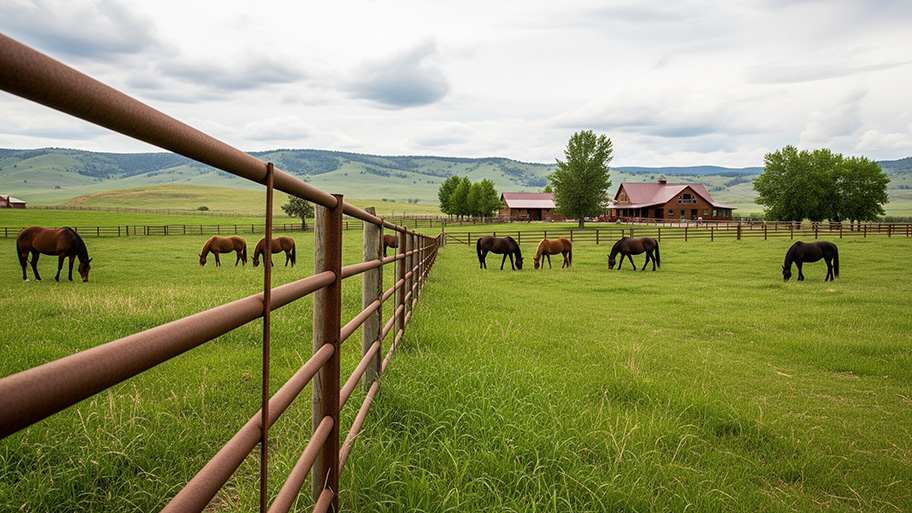
Pipe fencing is an extremely strong, durable option for containing horses and other livestock. This guide breaks down the factors that affect pipe fence cost.