"AHS is ok. They cover repairs of most everything under the roof of your house. The companies that contract with them are not always the best. You call AHS with the issue, they send a fax to the repair company and give you the contact info. If they don't contact you within 24 hours, you call them. Sometimes they answer, sometimes they don't. When they arrive (usually three days or so later), they service the item. if it has issues within the 90 days, you call AHS again, they are sent out with no charge. If the serviceman decides the unit is unrepairable, AHS will allow you to choose a replacement from their listing (usually not as good as what you have) they will install and remove your old item, or give you wholesale amount to buy and install your own. Prices vary on what you want covered and what you want the copay to be, plus where you live. For me it is 49.99 per month with a 75.00 time of service order. You can have more than one item serviced at the same time under the same fee. If you have a SEAR product the repair guys are great. Not that wild about the other ones they send out. But it is a big savings compared to calling someone on your own. The cost of service is only the 75.00 copay."

We pride our company on reliability, great communication, integrity, and quality work. We are experts in our trade and will do our best to keep you as educated as we can on your particular task or project. We look forward to earning your business! Book with us online or feel free to give us a call today!
\n
\n
Mold Testing and Remediation questions, answered by experts
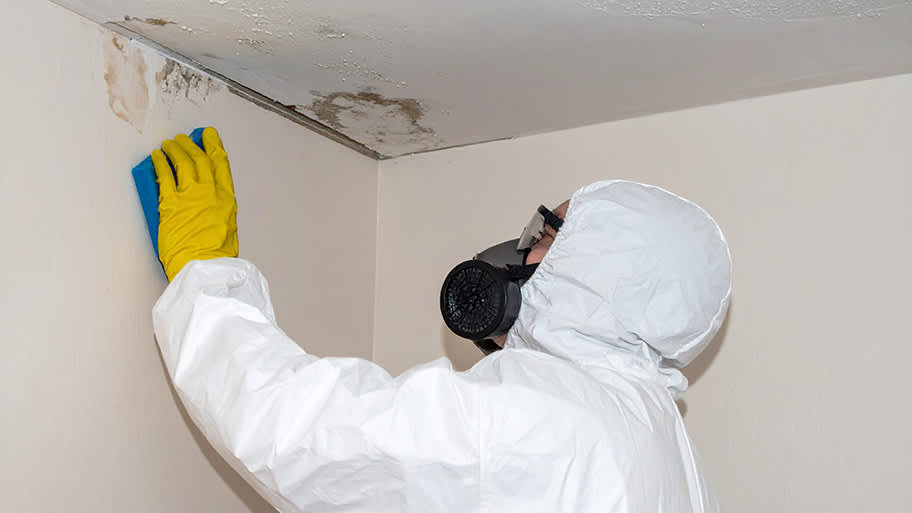
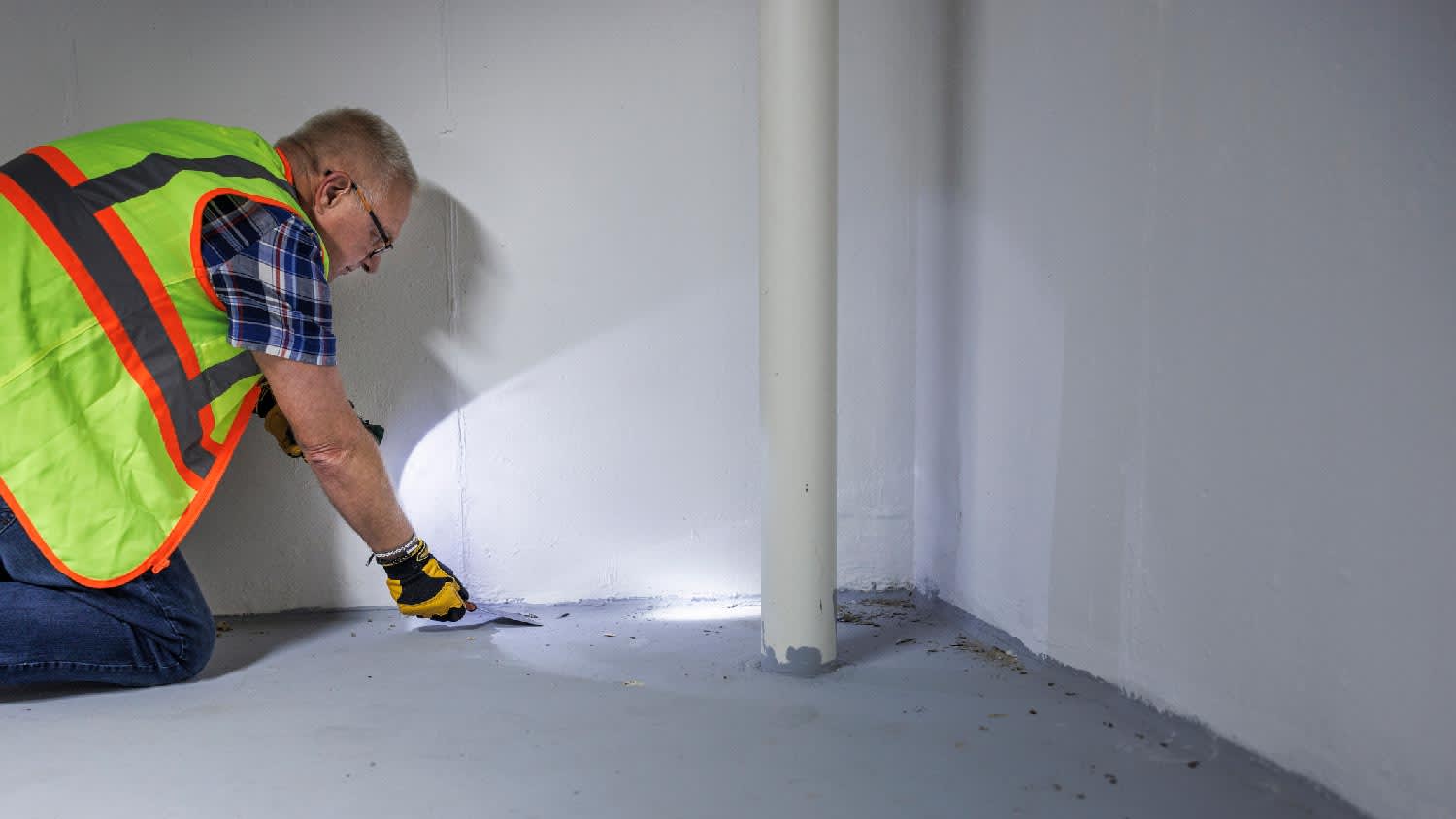
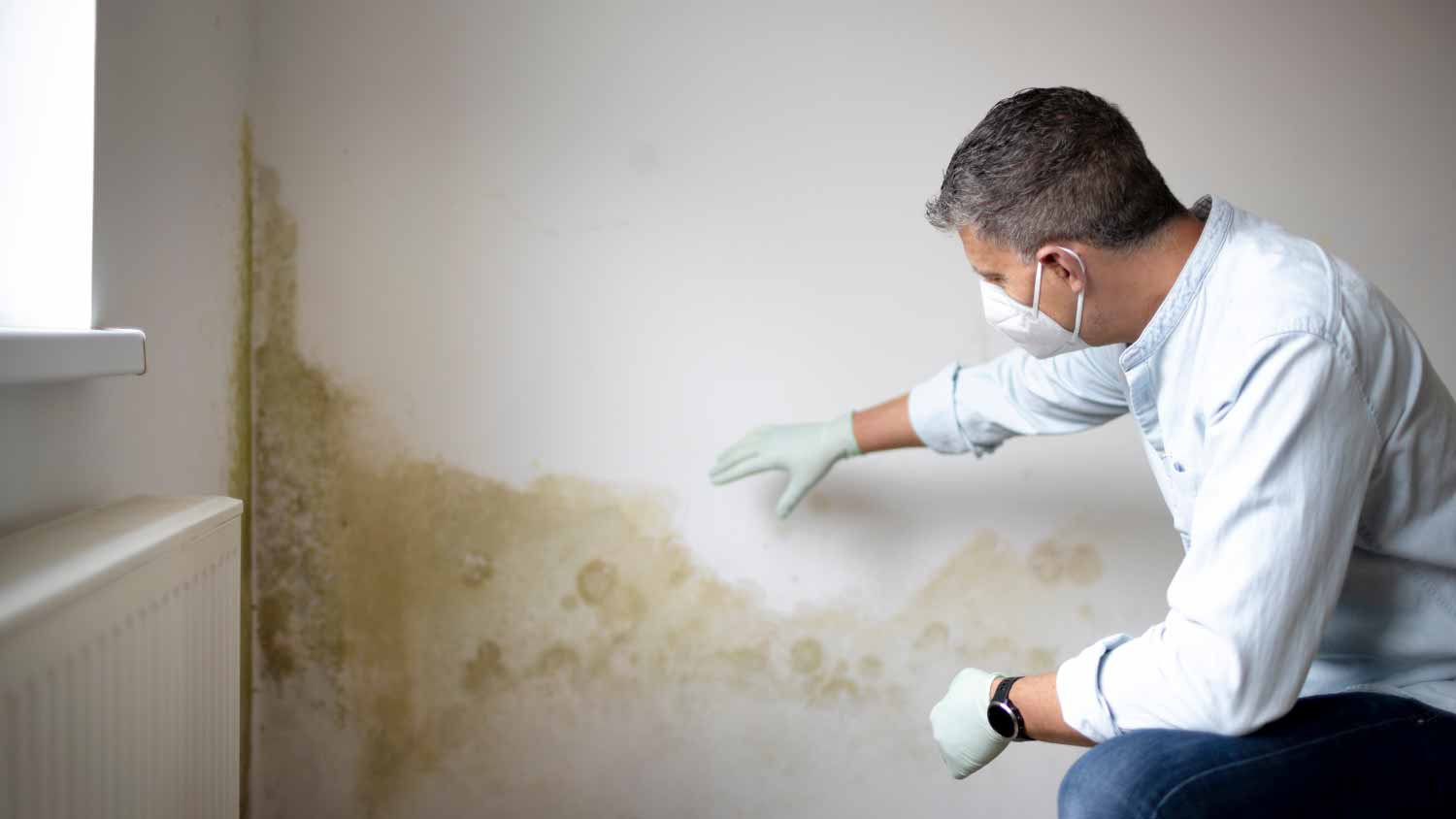
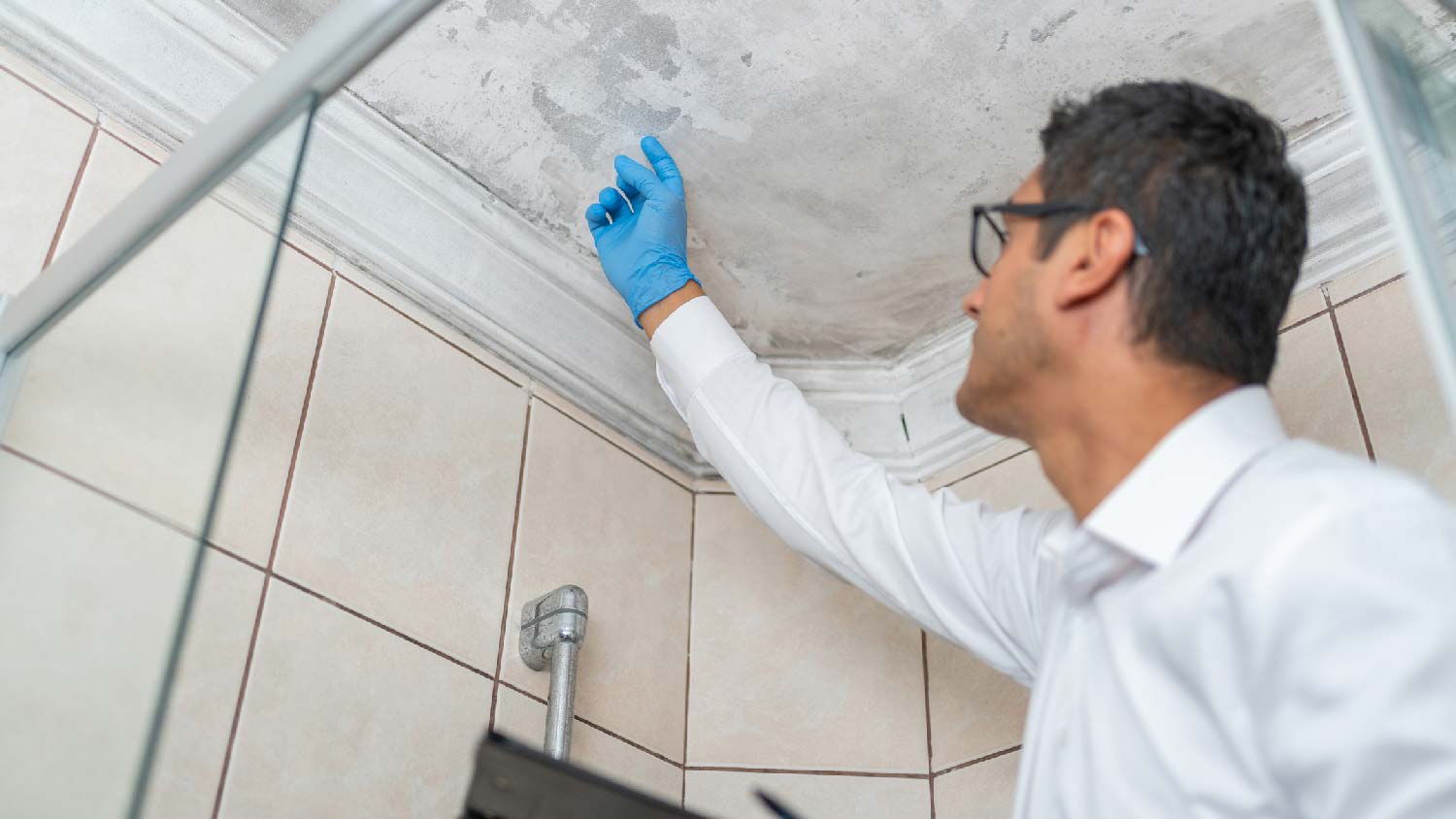
Mold can grow anywhere in a home where moisture accumulates and doesn't dry out, particularly in areas with poor ventilation. Common materials affected include insulation and drywall. The most frequent locations for mold growth are attics, basements, crawl spaces, wall cavities, bathroom and kitchen walls, exposed foundations, windows and window sills, air conditioning and heating vents, and around fireplaces and chimneys.
DIY kits are available for basic air quality testing, but professional services provide more comprehensive results and recommendations. While a DIY kit may seem cost-effective, a professional assessment is more thorough. Inspectors are better equipped to catch all pollutants and hazards, and you'll still need a professional to verify and act on DIY test results. Furthermore, some kits don't test for certain pollutants or only detect their presence without measuring specific levels (like mold spores). It's generally better to opt for a detailed professional assessment.
Mildew and mold are not different—mildew is a specific type of mold and yes, it can become dangerous if left untreated. It would be amazing if we were all biochemists but because we most likely aren’t, it isn’t wise to assume any mold is mildew on sight alone. Harmless mold and toxigenic mold (which can be deadly) look very similar, so if you see any new mold that looks even a little suspect, call a mold professional immediately.
The primary difference is that black mold (Stachybotrys chartarum) is considered toxic and more dangerous than regular mold. It can produce harmful chemicals called mycotoxins, which may lead to severe health issues like respiratory problems, skin irritation, headaches, and other long-term complications. While regular mold is rarely toxic, it can still cause allergic reactions and respiratory irritation. Visually, black mold often appears dark—green, gray, brown, or black—with a fuzzy texture, whereas regular mold can be almost any color. Black mold is less common and typically grows in areas with severe water damage. Regardless of the type, you should not ignore any mold infestation in your home.
If you own a stereo microscope, you should be able to see the fibers. The stereo microscope often can perform magnification up to 50x. But unless you have experience viewing asbestos fibers, you may not know exactly what you are seeing. Some fibers are curly, while others are long and straight. Blue, brown, white, and gray colored fibers are all possible.
The Bowdle, SD homeowners’ guide to mold testing and remediation services
From average costs to expert advice, get all the answers you need to get your job done.
The cost of a mold inspection might seem high, but it’s one of the best investments you can make for your health and home. Read on to learn cost-saving tips.
Figuring out how to test for mold in your home is important. Mold testing can offer peace of mind and lets you know if it’s time to call a pro. Learn about mold testing processes in this guide.
When is mold remediation required at your home? We can help you decide whether the musty odor or the patch of mold you’re experiencing requires a pro’s help.
There's an excellent reason why you should avoid going with the same company for mold testing and mold remediation. Learn why different companies should handle these tasks.