Besides reptile sightings, look for droppings resembling small pellets. Shed skin left behind during growth is another clue. Unusual chirping or rustling sounds could also suggest an infestation. If unsure, consulting a professional can provide accurate identification and effective solutions for managing the situation. If proper pest prevention measures aren't taken, a lizard can live up to five years. And that's a long time to have an undesirable roommate.
Trapping is generally not recommended, as even gentle traps can become as inhumane as kill traps if a rabbit is caught and stuck for several days. Additionally, capturing one rabbit isn’t likely to prevent other rabbits from wandering your yard. If you choose this method, it's essential to use live traps designed for humane capture and release of the rabbits in a suitable, safe habitat far from your property. Be sure to set a reminder and check the trap at least twice per day.
Yes, deer eat grass. But grass is far from a deer’s favorite food. Grass doesn’t have the nutrients deer need, so it only makes up a fraction of their diet. Deer eat woody plants, vegetation, acorns, fruit, and legumes. If deer are frequently in your yard, however, they will likely pick at the grass.
Even if you have extreme ophidiophobia (fear of snakes), don’t try to shoot or kill them with a shovel. Besides being pretty cruel, killing snakes in most states is illegal unless your life is at risk and many species are protected.
Plus, you're putting yourself at greater risk using these techniques if it goes wrong and the now-angry snake is venomous.
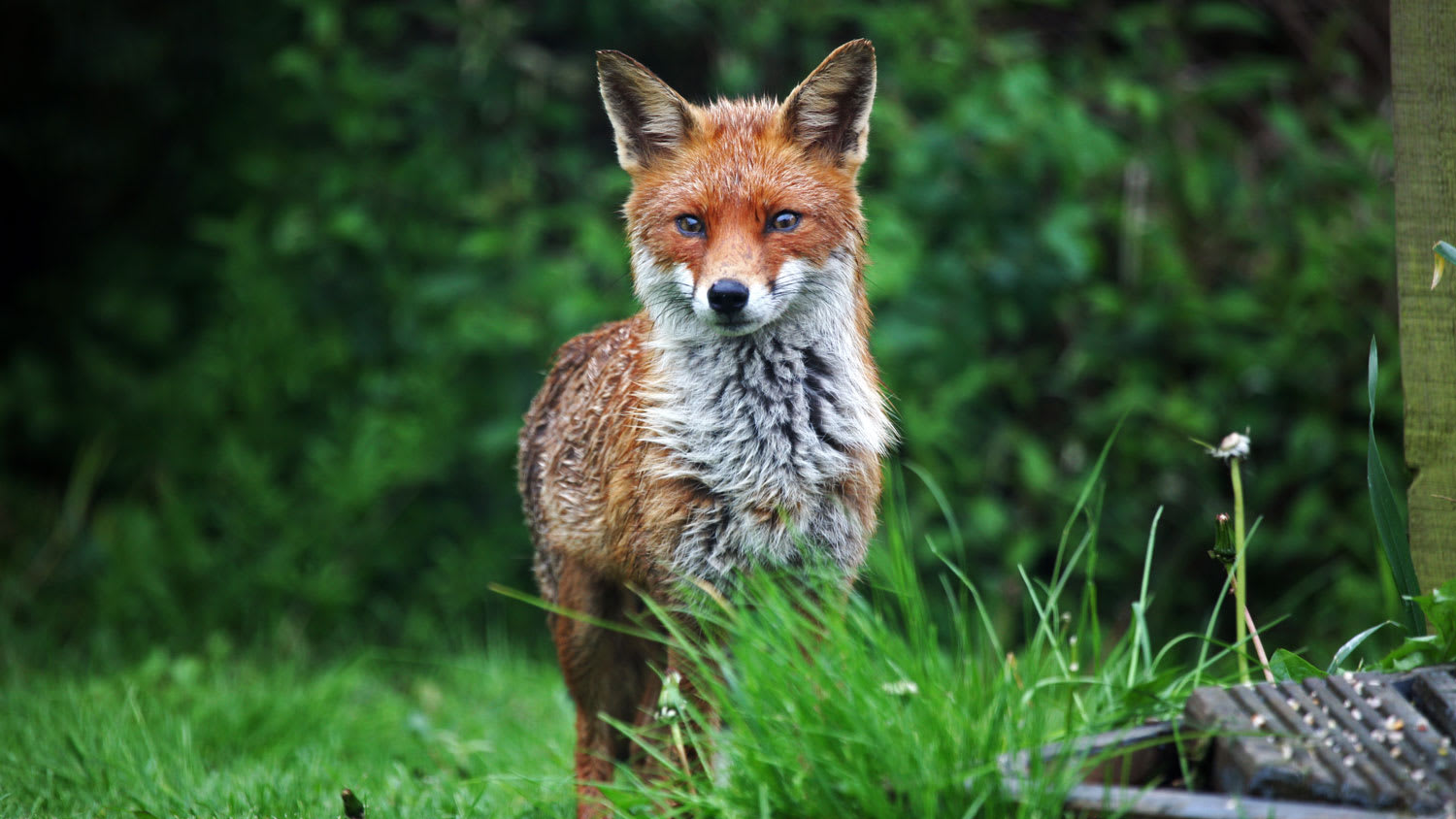
Unless foxes are a major threat or nuisance, living peacefully alongside them is often better. Reclusive foxes are rarely a risk to humans, and they can help keep rodent populations at bay and boost biodiversity in your yard. Plus, if you are a wildlife lover, there is the simple privilege and pleasure of watching a fox family interact right on your doorstep.
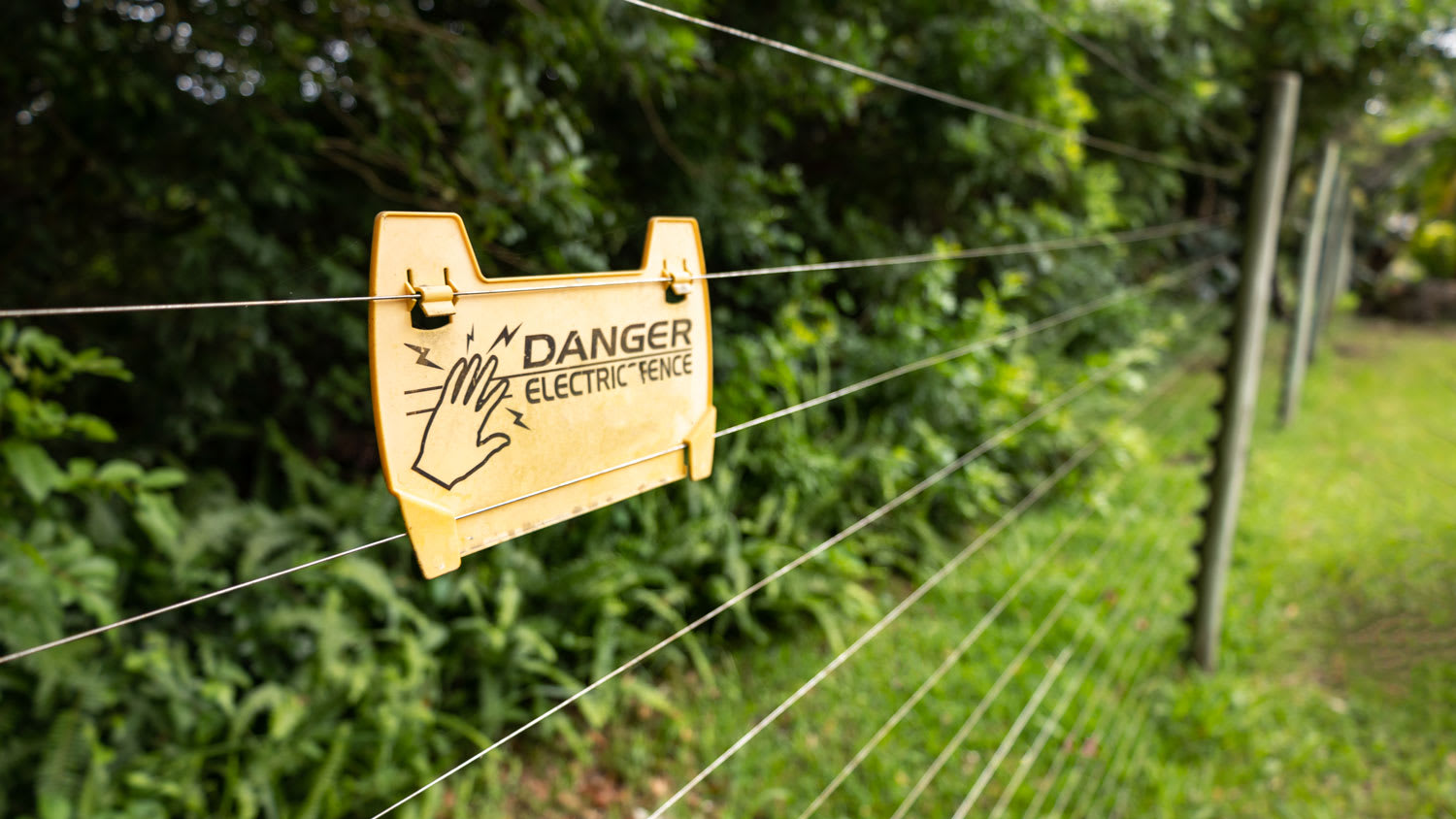
The Mclaughlin, SD homeowners’ guide to animal fencing services
From average costs to expert advice, get all the answers you need to get your job done.
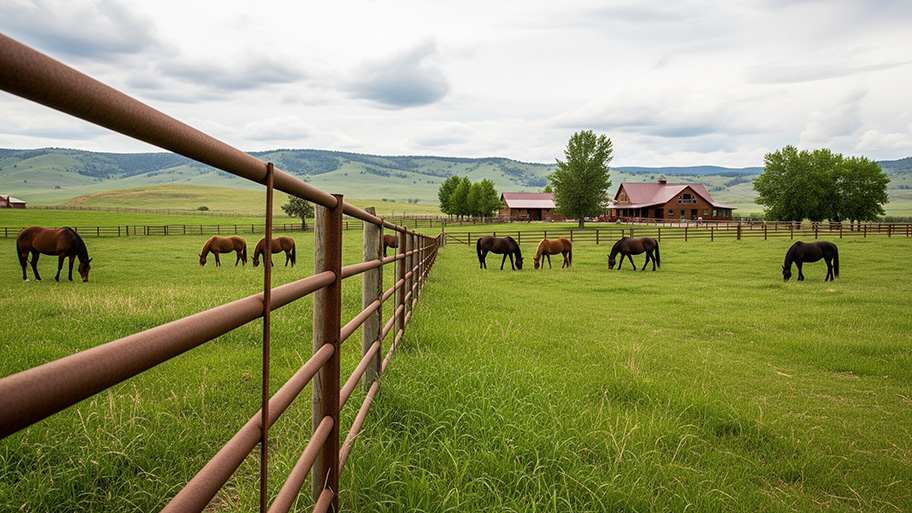
Pipe fencing is an extremely strong, durable option for containing horses and other livestock. This guide breaks down the factors that affect pipe fence cost.