We are a locally owned and operated company that values honesty, integrity and treats your home as if it were our own. We offer a variety of general contractor services that are customizable to each individual project. You will find us to be competitively priced, paying close attention to the details of each and every project that we are involved with. We look forward to building lasting relationships and guarantee your satisfaction!
Yes, it’s possible to seal your driveway too much. Whether you have an asphalt or concrete driveway, sealing it every year opens your driveway to potential damage. Sealing an asphalt driveway annually may cause the seal to crack and peel even more. It may even trap oils within the asphalt that can leave you driving on a soft driveway. Avoid sealing your concrete driveway too much to prevent the concrete from cracking. If water enters these cracks, it can freeze, expand, and cause the cracks to worsen.
Since freeze-thaw cycles throughout the winter months can damage your driveway, it's best to winterize your driveway in the late fall before the first freeze hits. Doing so will help to protect your driveway from damage throughout the winter season. Plus, drier, warmer weather makes applying and curing sealant much easier.
You should contact your driveway installer before winterizing a newly installed driveway. Winterizing it before the asphalt or concrete has fully cured can damage the driveway. But in many cases, you don't need to winterize a newly installed driveway anyway since it's likely freshly sealed and won't have much damage yet.
In general, water-based driveway sealers are considered the most eco-friendly option. Products that utilize water, limestone, and some basic binding agents have lower VOC levels and odor levels compared to sealants made with oil or tar. In recent years, soy-based driveway sealers have become available for homeowners who want fully VOC-free driveway sealers.
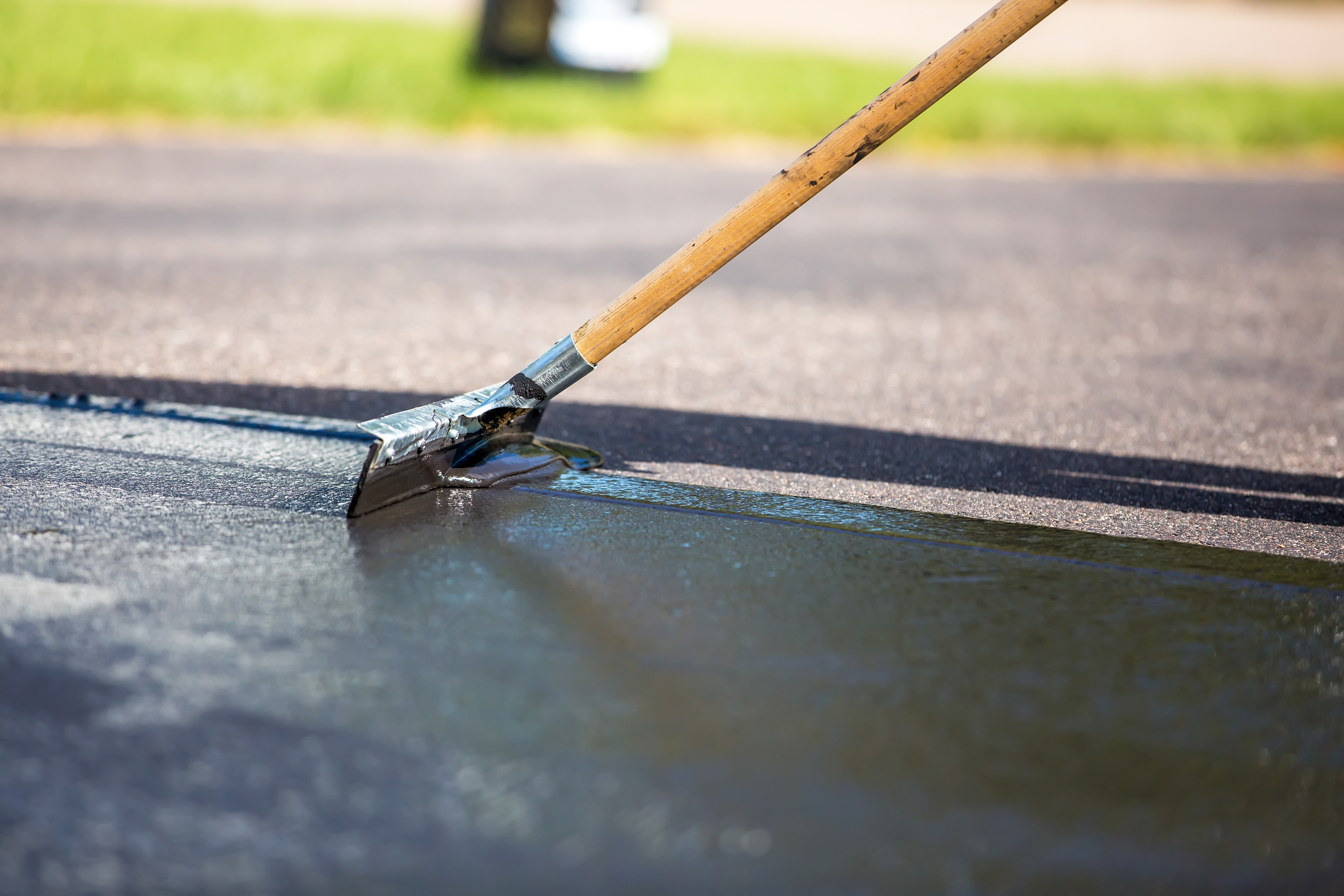
Ideally, you should seal your driveway when there won’t be rain for several days, but at a minimum, there can’t be rain for at least 24 hours. If it rains shortly after you seal your driveway, the water can wash away the sealer and render your work useless. You’ll have to wait for your driveway to dry out and try applying again. Note that some sealers—like oil-based sealers or specialty fast-drying sealers—may cure faster. Ask your contractor for information on timing before the install, and if there’s rain in the forecast, postpone the job.
The Bowdle, SD homeowners’ guide to driveway sealcoating
From average costs to expert advice, get all the answers you need to get your job done.
The cost of a tar and chip driveway falls between gravel and asphalt. Is this unique process the happy medium you've been looking for? Let's take a look.
Driveway extensions can provide valuable parking and recreation space and add to the value of your home on resale. Find out how much driveway extensions cost.
The average driveway coating takes between 30 minutes and eight hours to dry, but weather and sealant type can influence the dry time. Read on to learn more.