







Top-rated deck staining pros.

Get matched with top deck staining pros in Roebuck, SC

Enter your zip and get matched with up to 5 pros

Need a pro for your deck staining project in Roebuck, SC?

Select your specific project to find the pro for you.

TRUSTED BY ROEBUCK, SC HOMEOWNERS

  • Average homeowner rating star icon4.4
    Average homeowner rating
  • Verified reviews icon84
    Verified deck staining services reviews
Deck Staining questions, answered by experts

Yes, they provide design insights that enhance space utility and visual appeal.

No, it is not okay to paint over rotted wood. Painting over rotted wood will not address the underlying issue and can trap moisture, leading to further decay. Properly addressing the rotted wood by removing and replacing or repairing the damaged areas is necessary before you can even consider painting.

Yes, beginners can use a paint sprayer, but there is a learning curve. It's important to go slowly, read the instructions thoroughly, and spend some time learning the technique. Watching tutorial videos for your specific paint sprayer model can be very helpful. Before starting your main project, practice on a scrap surface to get used to the sprayer and avoid common issues like overspraying, which can cause drips, bubbles, and other imperfections. For safety, always wear a mask and gloves, and be careful not to touch the sprayer's tip when it's in use, particularly with high-powered airless sprayers.

Staining or sealing a cedar deck or fence is highly recommended to extend its lifespan and protect it from the elements. While cedar is naturally resistant to mold and mildew, it is not impervious to damage from moisture, sun exposure, splintering, fading, and rot over time. Applying a protective finish creates a shield that preserves the wood's strength and appearance, potentially extending its life by five to 10 years.

When choosing a finish, it's helpful to understand the difference between a sealer and a stain. A sealer sits on top of the wood, whereas a combination stain and sealer soaks into the top layer. Because it penetrates the wood, a stain generally offers better protection against UV damage and rot and lasts significantly longer. For the best results that also preserve the wood's natural color, consider using a near-translucent stain.
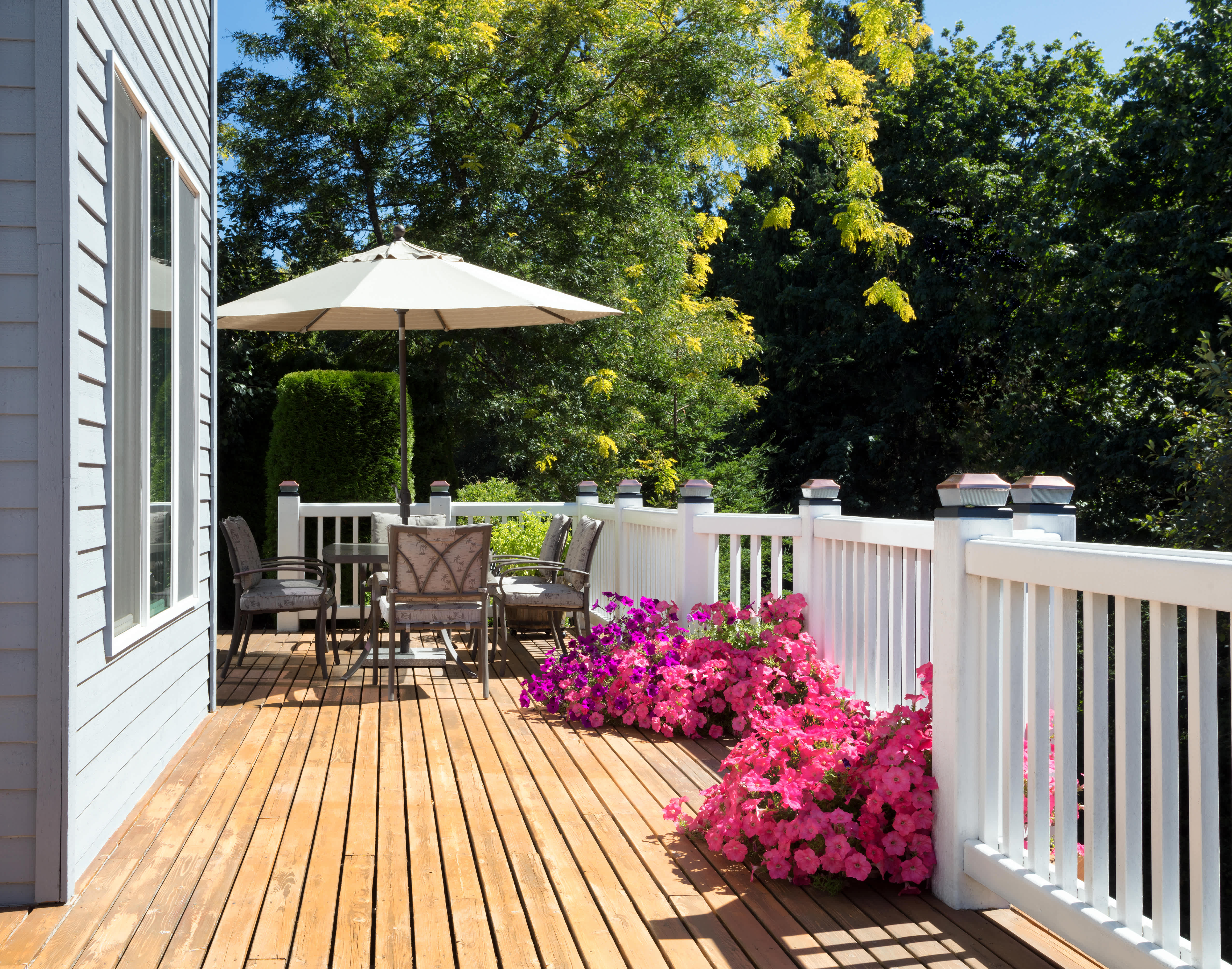
To maintain protection, plan on reapplying the stain or sealer every two to three years, either as a DIY project or by hiring a professional.

Wet-sanding and dry-sanding each have pros and cons. Dry-sanding is less messy, so it’s a good option if you’re trying to minimize dust (for example, if you’re sanding an occupied home or working with particularly dry or dusty drywall mud). However, dry-sanding is quicker because you don’t have to keep rinsing a sponge or wait for it to dry before painting.

The Roebuck, SC homeowners’ guide to deck staining services

From average costs to expert advice, get all the answers you need to get your job done.
What do you need done? We’ll find top pros.
  • 🌱 "Mow a small front yard"
  • 🛠 "Fix a leaking pipe under the sink"
  • 🏠 "Repair shingles on an asphalt roof"