

Top-rated drywall pros.

Get matched with top drywall pros in Charleston, SC

Enter your zip and get matched with up to 5 pros

Need a pro for your drywall service project in Charleston, SC?

Select your specific project to find the pro for you.

TRUSTED BY CHARLESTON, SC HOMEOWNERS

  • Average homeowner rating star icon4.5
    Average homeowner rating
  • Verified reviews icon253
    Verified drywall services reviews

Find Drywall pros in Charleston

Abraham Williams Drywall
3.9(
86
)
Drywall - RepairDrywall - Install

Serving Charleston, SC and surrounding areas

Approved

In business since 1992

Free estimates

Credit card accepted

"Mr. Abraham and his crew did a great job repairing the nail pops, painting the ceilings and shutters in my home. Very professional and pleasant to work with. I will surely recommend Abraham Williams Drywall to family and friends."
Response time3 days
87 neighbors recently requested a quote
Recommended by83%of homeowners

Avatar for Cransten
Cransten
4.5(
184
)
Drywall - Repair

Serving Charleston, SC and surrounding areas

Approved

Super Service Award Winner

In business since 2016

Free estimates

Emergency services offered

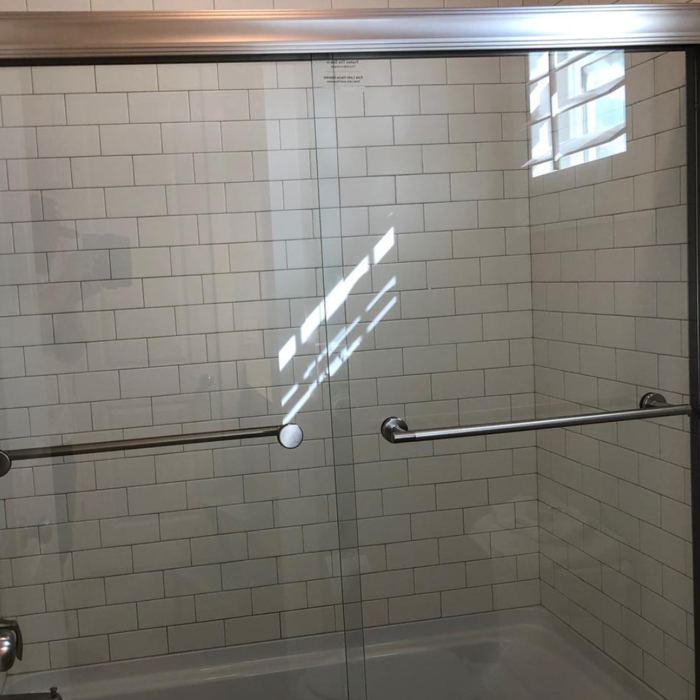
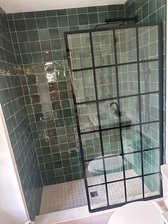
"I could not be more pleased with my bathroom renovation. Joels’work ethic is exemplary. He is a seasoned craftsman, professional and courteous. Joel was very respectful of my home and kept his working area very clean and tidy. He worked diligently each day until the project was complete, which was finished ahead of schedule. Joel is a great asset to this company. They are very fortunate to have such a skilled employee."
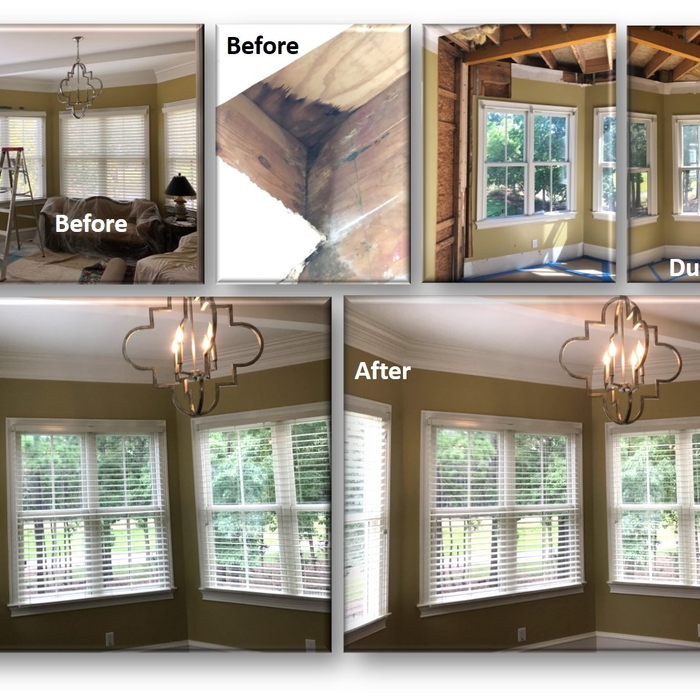
Additional Photos
Additional Photos
Additional Photos
Additional Photos
Additional Photos

+18

Response time1 day
Response rate100%
4 neighbors recently requested a quote
Avatar for Barron Home Maintenance
Barron Home Maintenance
4.8(
19
)
Drywall - Repair - For Business

Serving Charleston, SC and surrounding areas

Approved

In business since 2005

Free estimates

Credit card accepted

"Bobby was very responsive. He immediately reached out after I submitted my request. We spoke and set an appointment for the very next day. He was very friendly and professional. He quickly fixed my issue and is affordable and fair."
Barron Home Maintenance
Response time2 days
Response rate100%
...
Showing 1-10 of 300
Drywall questions, answered by experts

If you only have tiny holes in your drywall (for example, dents or nail marks), you probably won’t need a patch kit. Instead, you can plug the hole with a small amount of spackle. Once the spackle dries, you can sand the area and paint over it—just like you would in the steps outlined above.

Although they have similar applications, spackle and joint compound are not the same. Their primary differences lie in their composition, consistency, and ideal use cases.

Spackle is composed of gypsum and binding agents, making it thicker than joint compound. It dries quickly and is easy to sand, which makes it ideal for small wall repair projects like filling nail holes or patching minor damage.

Joint compound, also known as drywall mud, consists of limestone and gypsum. It is primarily used for large-scale projects, such as taping and finishing the seams on newly installed drywall. It tends to shrink more than spackle and can be more difficult to spread.

While both products can be used to fill small depressions and cracks, spackle cannot replace joint compound for taping and mudding new drywall. Conversely, you can often use joint compound for small patching jobs typically done with spackle.

Drywall anchors won’t work on plaster. Instead, they will more than likely cause more damage and pull out the plaster. The best type of anchors to use on plaster walls are the ones that will bite into the surrounding area, such as molly bolts and toggle bolts. Masonry anchors with expanders on the sides also work for lighter pictures.

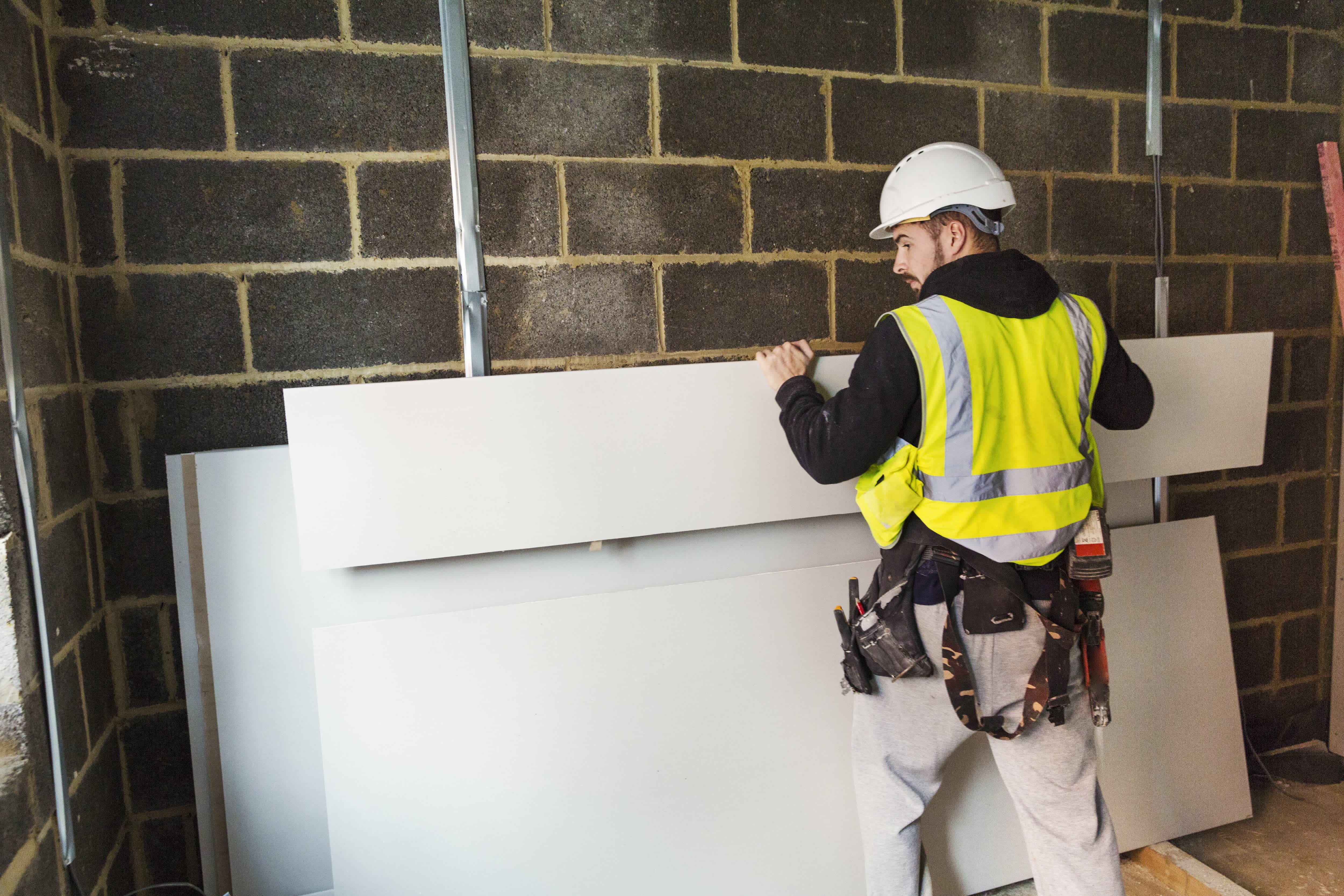
The person’s skill will affect how many drywall sheets they can hang in one day. Some people can hang 10 or more sheets in a day, while others may only hang six or seven sheets. It also depends on the framing complexity since custom cutting and fitting the drywall can prolong the process.

While it’s most common to sand plaster dry, it is possible to wet-sand plaster, too. Doing so can reduce the amount of plaster dust released into the air and make it easier to work in smaller, more delicate areas (such as around wall trim). However, some people find that wet sanding leads to more imperfections, which is why larger walls are more often dry sanded to ensure an even finish.

The Charleston, SC homeowners’ guide to drywall services

From average costs to expert advice, get all the answers you need to get your job done.