


Top-rated drywall pros.

Get matched with top drywall pros in Ravenel, SC

Enter your zip and get matched with up to 5 pros

Need a pro for your drywall service project in Ravenel, SC?

Select your specific project to find the pro for you.

TRUSTED BY RAVENEL, SC HOMEOWNERS

  • Average homeowner rating star icon4.6
    Average homeowner rating
  • Verified reviews icon216
    Verified drywall services reviews

Find Drywall pros in Ravenel

Avatar for Low Country Fix-it
Low Country Fix-it
New to Angi
Drywall - Repair - For Business

Serving Ravenel, SC and surrounding areas

Approved

Hello there! My name is Michael and it is a pleasure to connect with you today! Since the age of 15 I have been been involved with all aspects of Building and property maintenance. I really mean all, from building houses with my Father at 15 from the ground up to owning my own real estate, I have done it all. Let's talk soon and figure out a solution for you!

Lighthouse
Lighthouse
Lighthouse
Avatar for Holy City Painting & Drywall, LLC
Holy City Painting & Drywall, LLC
4.5(
145
)
Drywall - InstallDrywall - Install - For BusinessDrywall - Repair+1 more

Serving Ravenel, SC and surrounding areas

In business since 2012

Free estimates

Emergency services offered

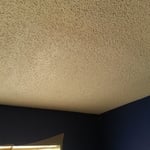
"Holy City Painting & Drywall did a great job! It was a pleasure working with the painters.They used quality paint and paid attention to details. The ceilings looked great after they removed the popcorn finish. I definitely recommend them!"
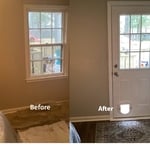
Before
After
Before
After
Before

+23

Recommended by95%of homeowners
...
Showing 1-10 of 182
Drywall questions, answered by experts

Although they have similar applications, spackle and joint compound are not the same. Their primary differences lie in their composition, consistency, and ideal use cases.

Spackle is composed of gypsum and binding agents, making it thicker than joint compound. It dries quickly and is easy to sand, which makes it ideal for small wall repair projects like filling nail holes or patching minor damage.

Joint compound, also known as drywall mud, consists of limestone and gypsum. It is primarily used for large-scale projects, such as taping and finishing the seams on newly installed drywall. It tends to shrink more than spackle and can be more difficult to spread.

While both products can be used to fill small depressions and cracks, spackle cannot replace joint compound for taping and mudding new drywall. Conversely, you can often use joint compound for small patching jobs typically done with spackle.

Although they are used for similar tasks, spackle and joint compound are not the same. Joint compound, also known as drywall mud, consists of limestone and gypsum and is primarily used for large-scale projects like taping and finishing seams on new drywall. Spackle is composed of gypsum and binding agents, making it a thicker compound best suited for small wall repairs like filling nail holes or cracks, as it dries quickly and is easy to sand. For small repairs, either product can be suitable. However, you can use joint compound for small jobs in place of spackle, but you cannot use spackle for large-scale taping and mudding projects.

Most drywall used for interior walls of homes is 1/2-inch thick. This size strikes a balance of being easy to handle and hang while being thick enough for the durability needed on interior wall applications.

The best way to make long, straight cuts is to use a utility knife and a T-square to score the sheet, snap along the score, and then finish the cut by cutting through the paper on the opposite side with the utility knife. If you’re making small cuts, curved cuts, or cutouts for electrical boxes or light fixtures, you can use a manual jab saw to keep costs down, but an electric spiral saw or oscillating multi-tool will get the cleanest, fastest cuts possible.
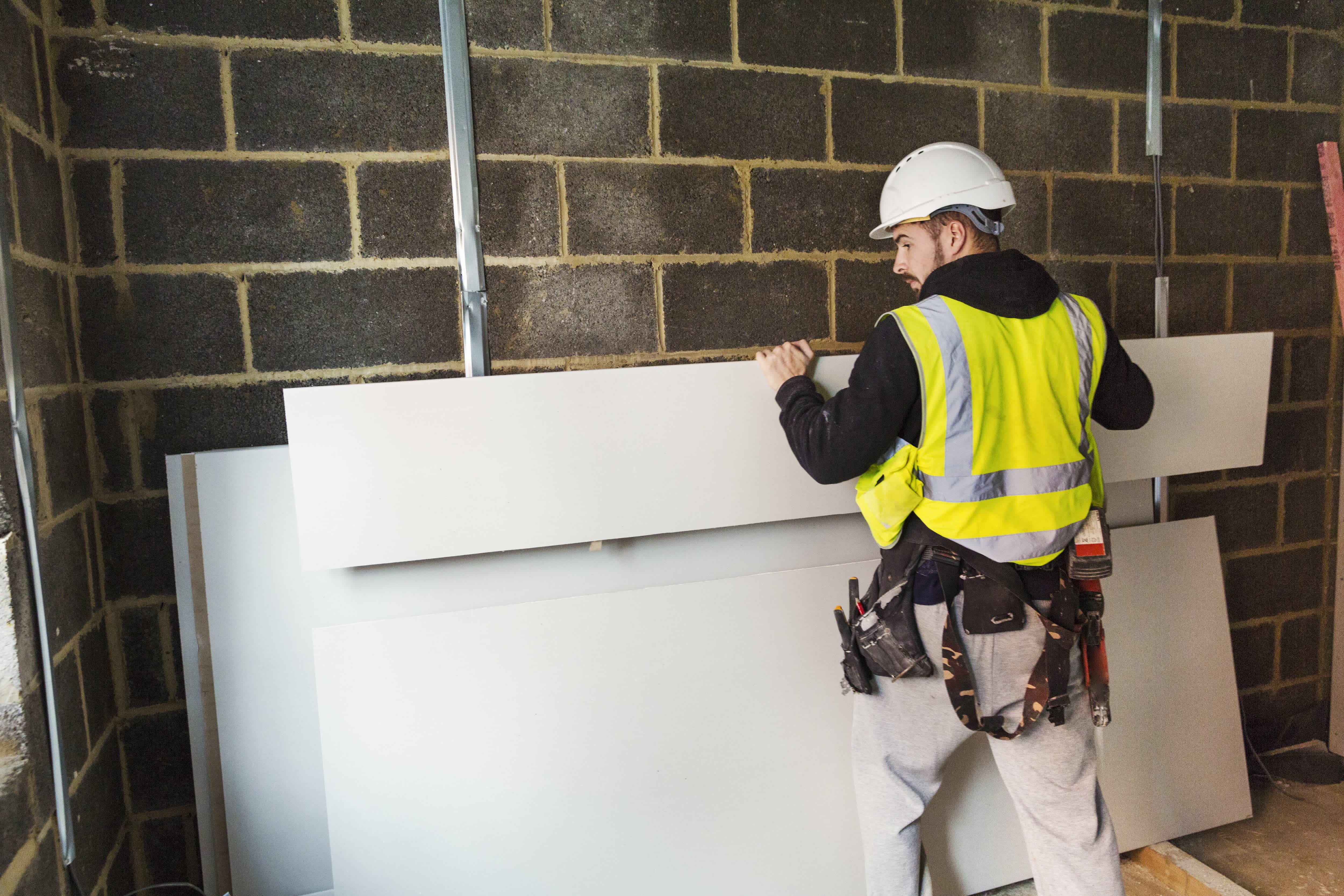
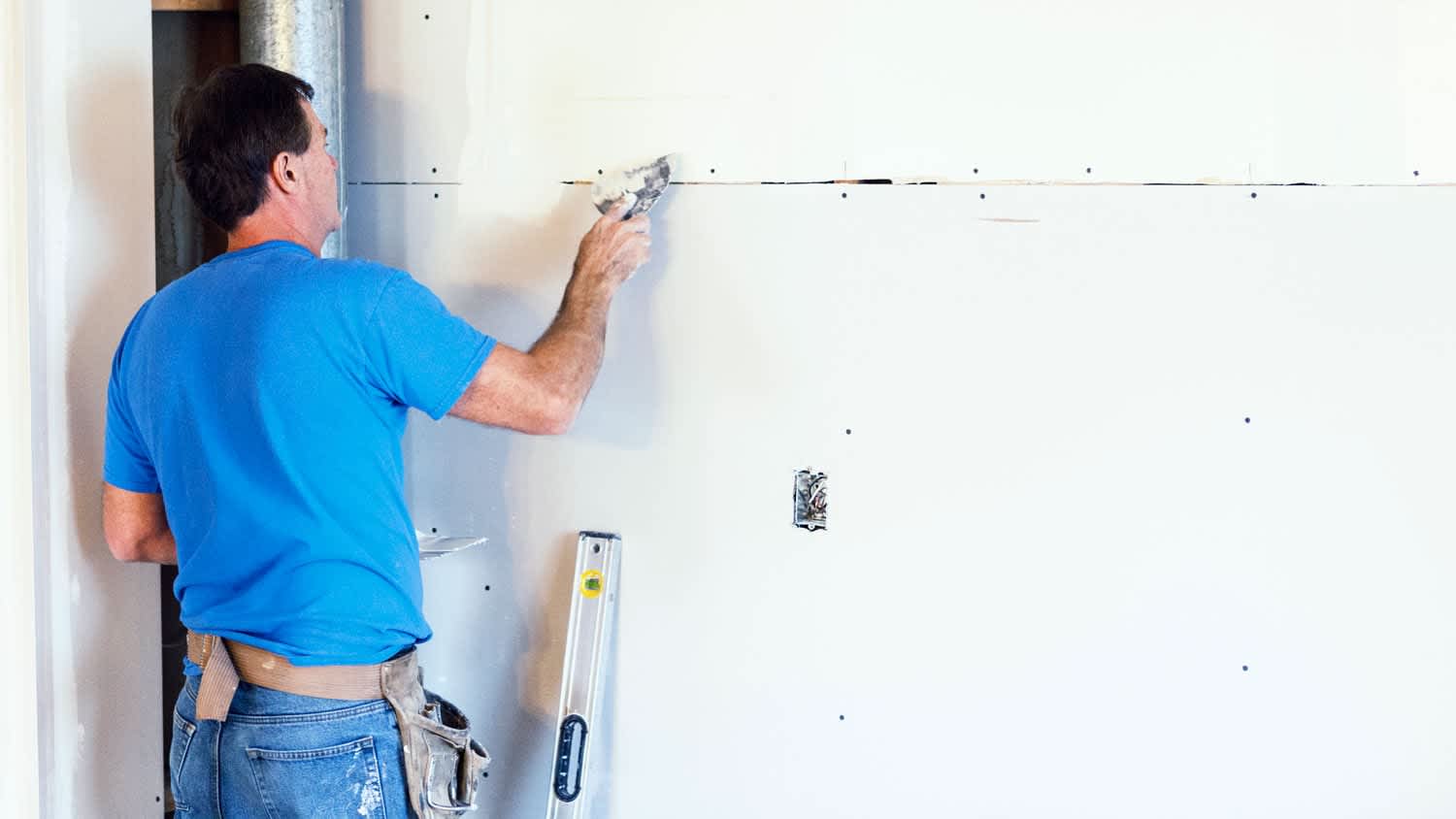
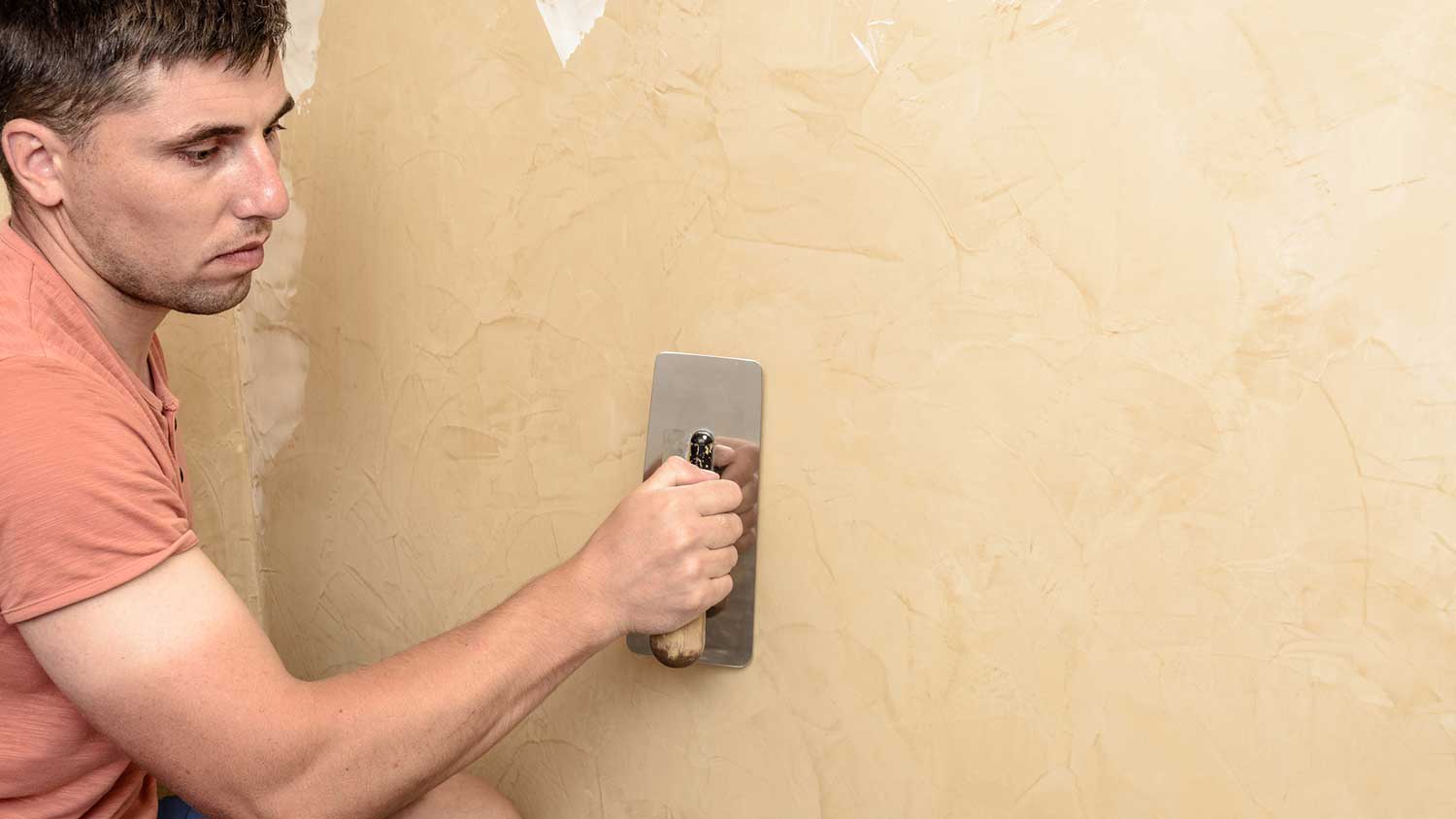
Plastering and skimming are two different techniques for finishing walls. Plastering involves applying a thick layer of a plaster mixture—typically containing gypsum, lime, cement, sand, and water—to create a new surface. This process often requires multiple coats and is used for repairing significant damage or creating decorative textures. Skimming, on the other hand, is a technique that involves applying a thin layer of drywall compound or joint compound over an existing surface to smooth it out, covering minor imperfections, small cracks, or uneven textures for a polished look. Plastering is generally more costly and labor-intensive than skimming. Although some people use the terms interchangeably, they refer to different processes and materials.

The Ravenel, SC homeowners’ guide to drywall services

From average costs to expert advice, get all the answers you need to get your job done.