

Top-rated drywall pros.

Best drywall pros near Adams Run, SC

Enter your zip and get matched with up to 5 pros

Need a pro for your drywall service project in Adams Run, SC?

Select your specific project to find the pro for you.

TRUSTED BY ADAMS RUN, SC HOMEOWNERS

  • Average homeowner rating star icon4.5
    Average homeowner rating
  • Verified reviews icon86
    Verified drywall services reviews

Top-Rated Drywall pros in Adams Run - Updated Nov 2026

Avatar for Low Country Fix-it
Low Country Fix-it
New to Angi
Drywall - Repair - For Business

Serving Adams Run, SC and surrounding areas

Approved

Hello there! My name is Michael and it is a pleasure to connect with you today! Since the age of 15 I have been been involved with all aspects of Building and property maintenance. I really mean all, from building houses with my Father at 15 from the ground up to owning my own real estate, I have done it all. Let's talk soon and figure out a solution for you!

Lighthouse
Lighthouse
Lighthouse
...
Showing 1-10 of 149
Drywall FAQs, answered by experts

You should always hang drywall from the top down. Starting at the top makes it easier to create a straight, tight line between the ceiling and the wall. Any gaps that occur will be at the bottom, where they are easier to manage. You can either cut the bottom piece of drywall to fit the remaining space or cover the gap with baseboard trim. Additionally, starting at the top is physically easier, as you won't have to fit the top sheet into a tight space between the lower sheet and the ceiling, or try to balance the upper sheets on the lower ones while securing them.

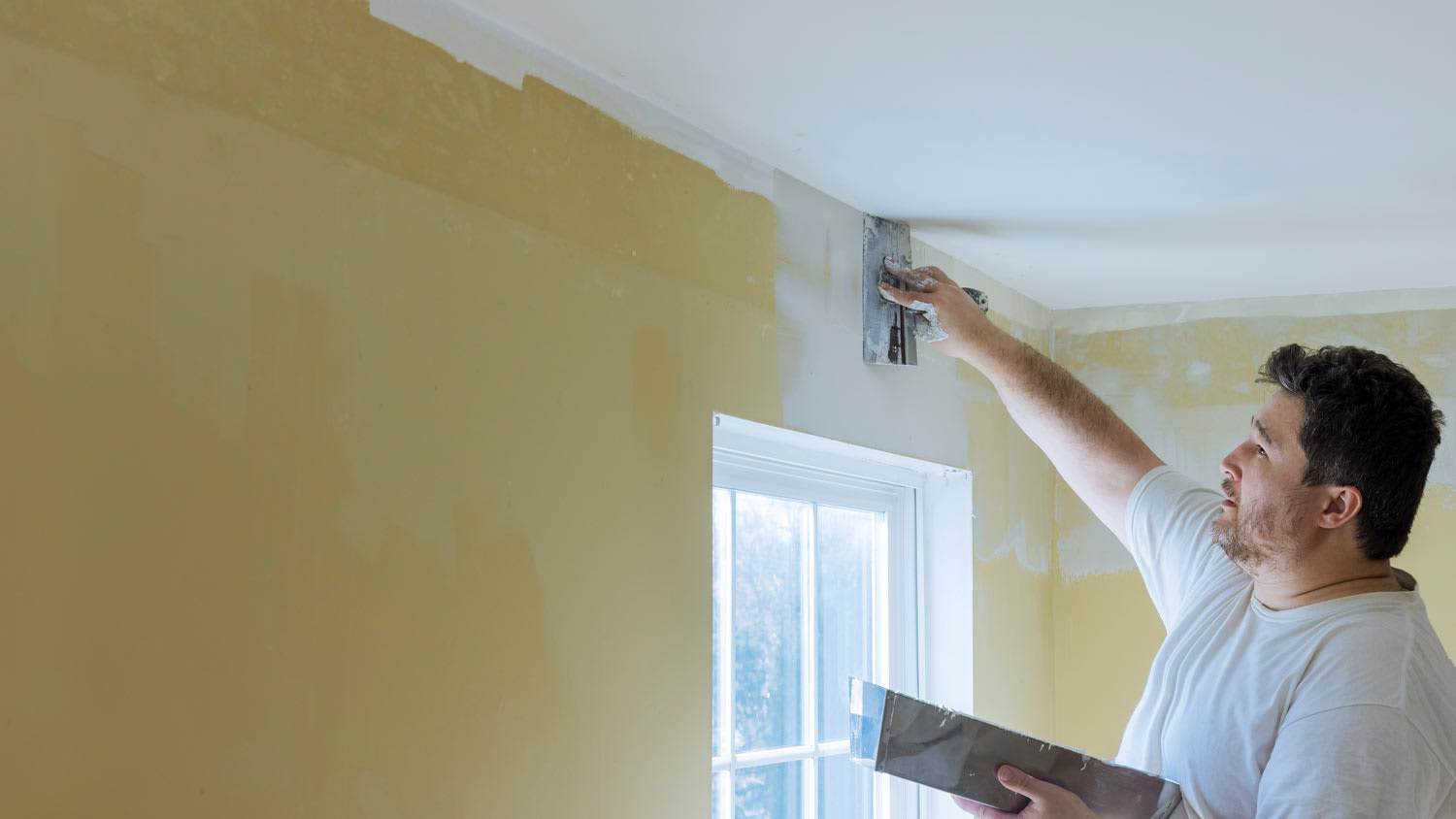
Plastering and skimming are two different techniques for finishing walls. Plastering involves applying a thick layer of a plaster mixture—typically containing gypsum, lime, cement, sand, and water—to create a new surface. This process often requires multiple coats and is used for repairing significant damage or creating decorative textures. Skimming, on the other hand, is a technique that involves applying a thin layer of drywall compound or joint compound over an existing surface to smooth it out, covering minor imperfections, small cracks, or uneven textures for a polished look. Plastering is generally more costly and labor-intensive than skimming. Although some people use the terms interchangeably, they refer to different processes and materials.

While fumigation chemicals cannot pass through solid objects, they will seep into any openings in walls, doors, or other closed spaces. This allows them to get into tight places where pests may be hiding and causing damage, like termites ruining the foundation of your home. It also means that your home needs to ventilate for 48 hours before returning to ensure that no harmful chemicals remain in your space. 

Venetian plaster is a highly durable wall finish that becomes a rock-like substance once dried, making it last longer than most other wall finishes. Its lifespan can range from decades to centuries, potentially lasting a lifetime. Key factors influencing its longevity include the quality of the initial application, whether it's properly sealed against moisture, and how the wall is maintained and treated (e.g., how often it is touched or bumped). Due to its mineral content, it can also develop a patina over time.

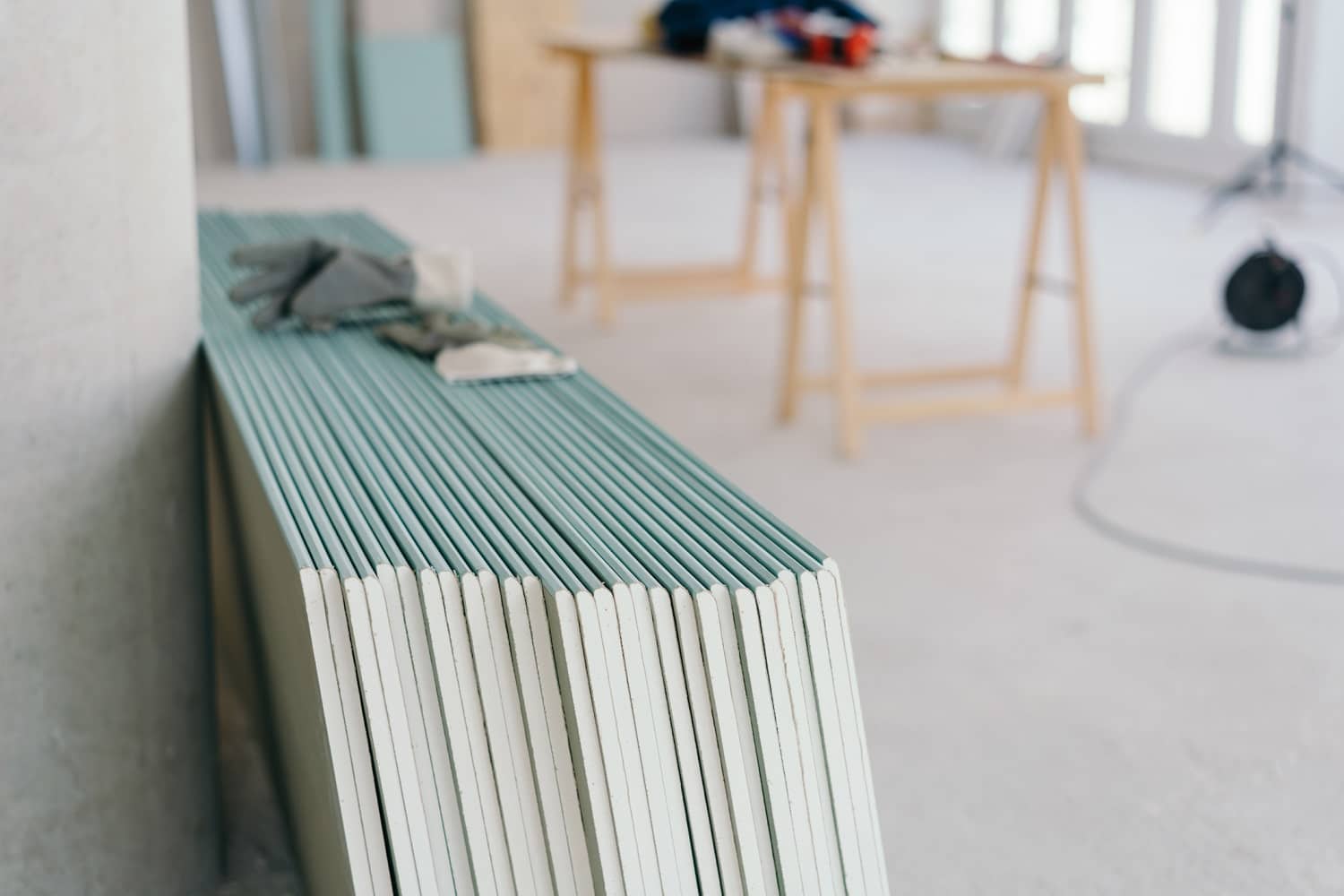
You should not leave drywall outside, especially overnight or in a wet, humid climate. Exposure to rain and humidity can damage the drywall, weakening its structural integrity and making it susceptible to mold growth. If you must leave drywall outside during a project, be sure to cover it with a tarp or keep it inside a storage shed to protect it. Even drywall intended for exterior projects requires a protective moisture barrier. For best results, store any extra drywall in a dry area away from the elements.

The Adams Run, SC homeowners’ guide to drywall services

From average costs to expert advice, get all the answers you need to get your job done.