"Chris was an angel. He returned my call very quickly and was able to squeeze in a window A/C installation that he normally doesn’t do amongst two other jobs on a holiday weekend. Chris went to a rough part of town and helped my cousin who is disabled. He was kind, courteous, and went out of his way in a heat wave to help. He makes it easier for myself, my grandma, and my aunt to sleep knowing that my disabled cousin with epilepsy will be in a cooler apartment. It’s the little things and going out of his way to make it happen. 1000% recommend!"
"The Handy Express employees were great! They were so efficient and thorough . I smelled something burning in my light switch and the lights in the ceiling kept blinking. I was worried about a possible fire. They were concerned about our safety and arrived right away. They did a great Job! I highly recommend them."
"our handyman installer was very customer service oriented, friendly and easy to work with. he did the whole project uninstalling and installing the microwave over-the-range appliance in less than an hour (40-45 min). I really appreciated that Mr. Handyman offered the haul-away service of the old appliance that the other home handyman services I was considering did not. overall, it was excellent--a professional and efficient home installation service. the cost was also comparable with what Home Depot was charging. I will definitely keep Mr. Handyman in mind for any upcoming home projects we may need."
"I hired them for multiple projects many different times. Always on time and reliable service. They work clean and always had the job done. Highly recommended."
"Dave Aaronson is a quality pro who knows his stuff. He installed the front door and storm door and the fire door and the back door. He was so friendly and helpful. He was on time and finished in a timely fashion and he cleaned up after himself. I hope to hire him again."
"Gino @ Redline did several repair and upkeep jobs for us, including installing a new kitchen faucet, replacing the ballcock in the toilet tank, installing a new door knob, among other help. He was professional, reliable, courteous, got the jobs done. He even went above and beyond when we had issues with a fridge install (different company): he came back free of charge to help us move our heavy kitchen island to make space for moving the fridge. We offered a tip, but he declined that, too. To top it off, he told us to call him when it's time to move the island back. I highly recommend him."
"They were hired to install my bathroom faucet. They installed it fast with no issue and pricing was very reasonable and affordable. I would hire them again"
Fire Pit Installation questions, answered by experts
In general, it will take about 90 minutes to burn the creosote sweeping log by itself, allowing it to work its magic. This may be longer or shorter depending on the conditions of your chimney.
Wiring a light switch wrong can cause a fire if the incorrect wiring causes arcing, meaning the current jumps uncontrolled from one conductor to another. Loose wires or worn wires that are not repaired or replaced can cause arcing. If you’re not 100% sure you can do the job safely, don’t attempt to wire a light switch on your own.
Yes, you can close off a fireplace both temporarily and permanently with extremely wide price ranges. Temporary solutions involve fireplace plugs that can be inflated to block air and deflated to open the fireplace, covers, and boards. Permanent methods of shutting off fireplaces usually involve bricking up the fireplace or covering it with drywall. No matter the method, it’s probably best to hire a professional.
Ensure proper ventilation, fix leaks, and schedule regular pest inspections to protect your property.
Yes, a faulty or broken light switch can be a serious fire hazard. Malfunctioning switches often result from loose wiring, exposed connections, or other electrical problems that can cause overheating or sparking. Warning signs include crackling, popping, or hissing sounds when you flip the switch, which indicates live electricity that could ignite nearby flammable materials. If you suspect your light switch is faulty, immediately turn off the power at the circuit breaker and contact a qualified electrician to remedy the issue.
The Plum, PA homeowners’ guide to fire pit installation services
From average costs to expert advice, get all the answers you need to get your job done.
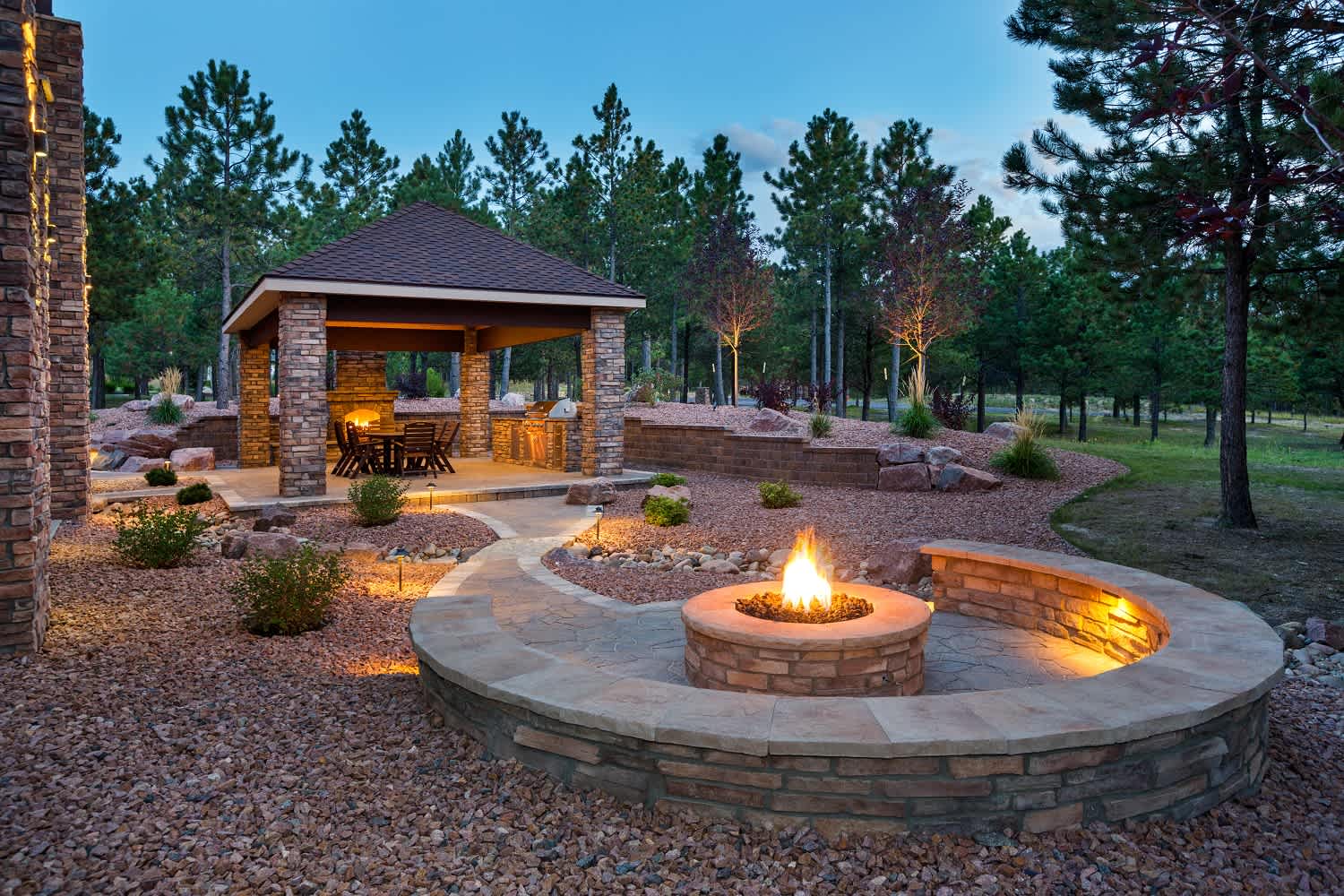
A fire pit installation costs $850 on average but can vary by size, fuel type, materials, and more. See how much you need to budget for a new fire pit.
Discover fire door cost data, including installation, materials, and tips to save. Learn what impacts fire door pricing and how to budget for your project.
Discover home fire sprinkler system costs, including installation, maintenance, and key cost factors. Learn how to budget and save on your home fire protection.
A fire pit adds attractive entertainment space to your backyard. Learn about standard fire pit dimensions and what factors contribute to fire pit size.
If you’re interested in buying a fire pit, you will likely be considering gas or wood. But what are the pros and cons of each? Find out if a gas or wood fire pit is right for you.