




Top-rated drywall pros.

Get matched with top drywall pros in Monroeville, PA

Enter your zip and get matched with up to 5 pros

Need a pro for your drywall service project in Monroeville, PA?

Select your specific project to find the pro for you.

TRUSTED BY MONROEVILLE, PA HOMEOWNERS

  • Average homeowner rating star icon4.7
    Average homeowner rating
  • Verified reviews icon72
    Verified drywall services reviews

Find Drywall pros in Monroeville

Avatar for KALANISH PLASTERING & DRYWALL
KALANISH PLASTERING & DRYWALL
4.3(
43
)
Drywall - InstallDrywall - Install - For BusinessDrywall - Repair+1 more

Serving Monroeville, PA and surrounding areas

Approved

In business since 1996

Free estimates

Emergency services offered

"Brian Kalanish is an excellent plasterer. We have used him before and his work still looks great years later. This time, as before, he did an excellent job. He is nice, easy to communicate with, and his prices are reasonable. I would hire him again and I recommend him."
Additional Photos
Additional Photos
Additional Photos
Additional Photos
Additional Photos

+9

Response time4 days
Response rate100%
1 neighbors recently requested a quote
Affordable Painting & Repairs
5.0(
19
)
Drywall - Install - For BusinessDrywall - Repair - For Business

Serving Monroeville, PA and surrounding areas

Approved

In business since 2015

Free estimates

Customers say: Quality work

"We hired Mike initially to fix the drywall and paint the interior of the condo that we were planning to move in. He was very easy to communicate from the beginning to the end, showed up on time and worked hard every day, did a thorough job that did not miss any details and gave us a very fair price. Because we liked him so much, we ended up hiring him for other jobs including plumbing, lighting, installing appliances and cabinet painting. Throughout this process, he was trustworthy, very knowledgeable in his work and tried really hard to accommodate my schedule. Although we were on a tight schedule, we were able to move into our apartment on time because of his excellent work ethic. I would definitely hire him again and highly recommend him for any home improvement projects."
Response time1 day
Recommended by100%of homeowners
Avatar for Converge Construction, LLC
Converge Construction, LLC
4.7(
42
)
Drywall - InstallDrywall - RepairDrywall - Repair - For Business

Serving Monroeville, PA and surrounding areas

Approved

In business since 2010

Free estimates

Small jobs welcome

"Jeff is very friendly and professional. He took time to explain what needed to done. He didn’t rush to get the job done but instead took his time to make sure everything was done perfectly. The best part was he cleaned up so well you never knew he was here. His prices are very reasonable and I will be using him again."
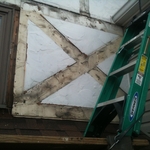
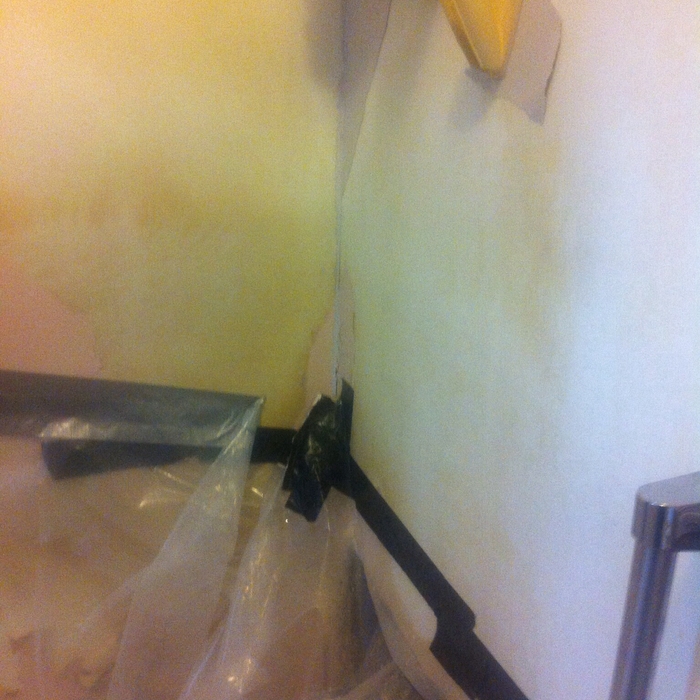
 Stucco removal
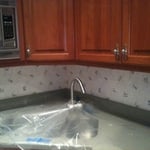
 Old ugly Backsplash
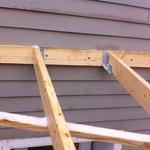
 Lots of snow this day
 Old existing wall between kitchen and dining room
 Old water damaged bathroom

+70

Recommended by97%of homeowners
...
Showing 1-10 of 325
Drywall questions, answered by experts

Although they have similar applications, spackle and joint compound are not the same. Their primary differences lie in their composition, consistency, and ideal use cases.

Spackle is composed of gypsum and binding agents, making it thicker than joint compound. It dries quickly and is easy to sand, which makes it ideal for small wall repair projects like filling nail holes or patching minor damage.

Joint compound, also known as drywall mud, consists of limestone and gypsum. It is primarily used for large-scale projects, such as taping and finishing the seams on newly installed drywall. It tends to shrink more than spackle and can be more difficult to spread.

While both products can be used to fill small depressions and cracks, spackle cannot replace joint compound for taping and mudding new drywall. Conversely, you can often use joint compound for small patching jobs typically done with spackle.

Plaster itself has a higher R-value than drywall. However, there are other considerations surrounding plaster and insulation. As a general rule, it's easier to obtain consistency in insulating value and quality when working with drywall rather than plaster. Plaster walls often don't contain any insulation behind the wall covering by design, and careful evaluation is necessary when choosing to add it.

The amount of drywall you need for a 1,000-square-foot basement depends on the ceiling height, angles, number of doors and windows, and more. To find the wall square footage, multiply the width and height of each wall, minus any gaps from windows or doors, and add the totals together. You’ll also need enough drywood nails or screws to install the drywall correctly.

Venetian plaster is a highly durable wall finish that becomes a rock-like substance once dried, making it last longer than most other wall finishes. Its lifespan can range from decades to centuries, potentially lasting a lifetime. Key factors influencing its longevity include the quality of the initial application, whether it's properly sealed against moisture, and how the wall is maintained and treated (e.g., how often it is touched or bumped). Due to its mineral content, it can also develop a patina over time.

Yes, it matters which side of drywall you use. One side is smooth, and the other is rough. The smooth side should be facing outward, toward the room, while the rough side should be hidden and facing the studs and framing of the house. The smooth side will be easier to apply tape, joint compound, and, later, paint to.
The Monroeville, PA homeowners’ guide to drywall services

From average costs to expert advice, get all the answers you need to get your job done.