


Top-rated drywall pros.

Get matched with top drywall pros in Irwin, PA

Enter your zip and get matched with up to 5 pros

Need a pro for your drywall service project in Irwin, PA?

Select your specific project to find the pro for you.

TRUSTED BY IRWIN, PA HOMEOWNERS

  • Average homeowner rating star icon4.8
    Average homeowner rating
  • Verified reviews icon55
    Verified drywall services reviews

Find Drywall pros in Irwin

Avatar for KALANISH PLASTERING & DRYWALL
KALANISH PLASTERING & DRYWALL
4.3(
43
)
Drywall - InstallDrywall - Install - For BusinessDrywall - Repair+1 more

Serving Irwin, PA and surrounding areas

Approved

In business since 1996

Free estimates

Emergency services offered

"Brian Kalanish is an excellent plasterer. We have used him before and his work still looks great years later. This time, as before, he did an excellent job. He is nice, easy to communicate with, and his prices are reasonable. I would hire him again and I recommend him."
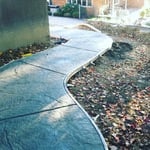
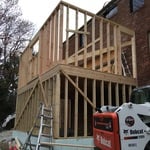
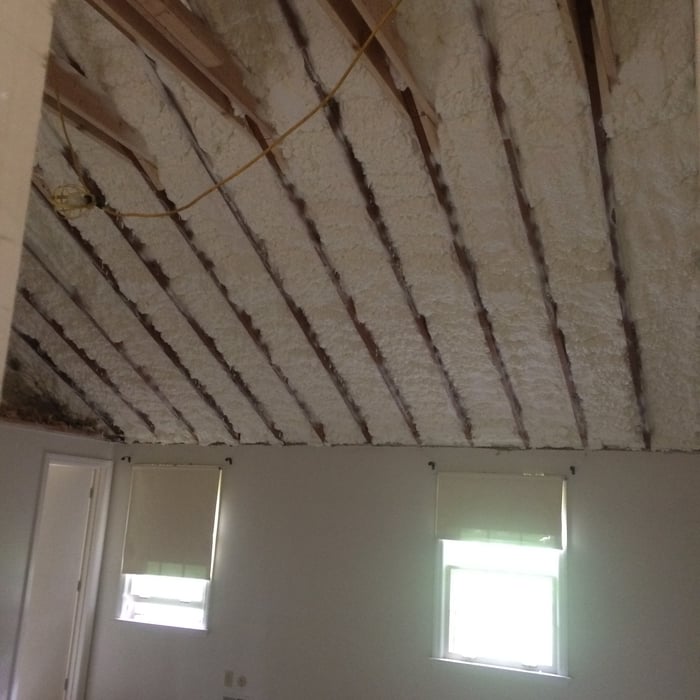
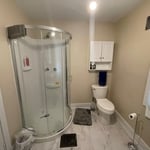
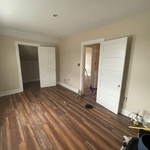
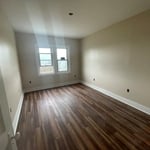
Additional Photos
Additional Photos
Additional Photos
Additional Photos
Additional Photos

+9

Response time4 days
Response rate100%
1 neighbors recently requested a quote
...
Showing 1-10 of 249
Drywall questions, answered by experts

It's generally recommended to hang drywall on the ceiling first before moving on to the walls. This sequence allows the ceiling sheets to provide support for the vertical wall sheets. By attaching the ceiling drywall initially, you establish a solid framework to align and attach the wall panels accurately. This method ensures a seamless and sturdy connection between the ceiling and walls, resulting in a more professional finish.

There are several things you should not do when installing drywall. Common mistakes include: adding too many screws, over-sanding, not adding backing support, and installing drywall unevenly. You also should avoid screwing into the same place twice, installing Sheetrock with tapered edges on the outside, and making too many joints.

You should not leave drywall outside, especially overnight or in a wet, humid climate. Exposure to rain and humidity can damage the drywall, weakening its structural integrity and making it susceptible to mold growth. If you must leave drywall outside during a project, be sure to cover it with a tarp or keep it inside a storage shed to protect it. Even drywall intended for exterior projects requires a protective moisture barrier. For best results, store any extra drywall in a dry area away from the elements.

The two most common drywall thicknesses for ceilings are 1/2-inch and 5/8-inch. For most standard residential applications, 1/2-inch drywall is sufficient and widely used. It provides adequate support and is lighter and easier to handle during installation compared to thicker sheets. However, 5/8-inch drywall is often used for specific cases where additional benefits are needed. It is heavier but provides superior sound dampening and fire resistance. You should consider using 5/8-inch drywall for ceilings in commercial buildings, between a garage and a living space, or above a finished basement to meet building codes or for enhanced soundproofing.
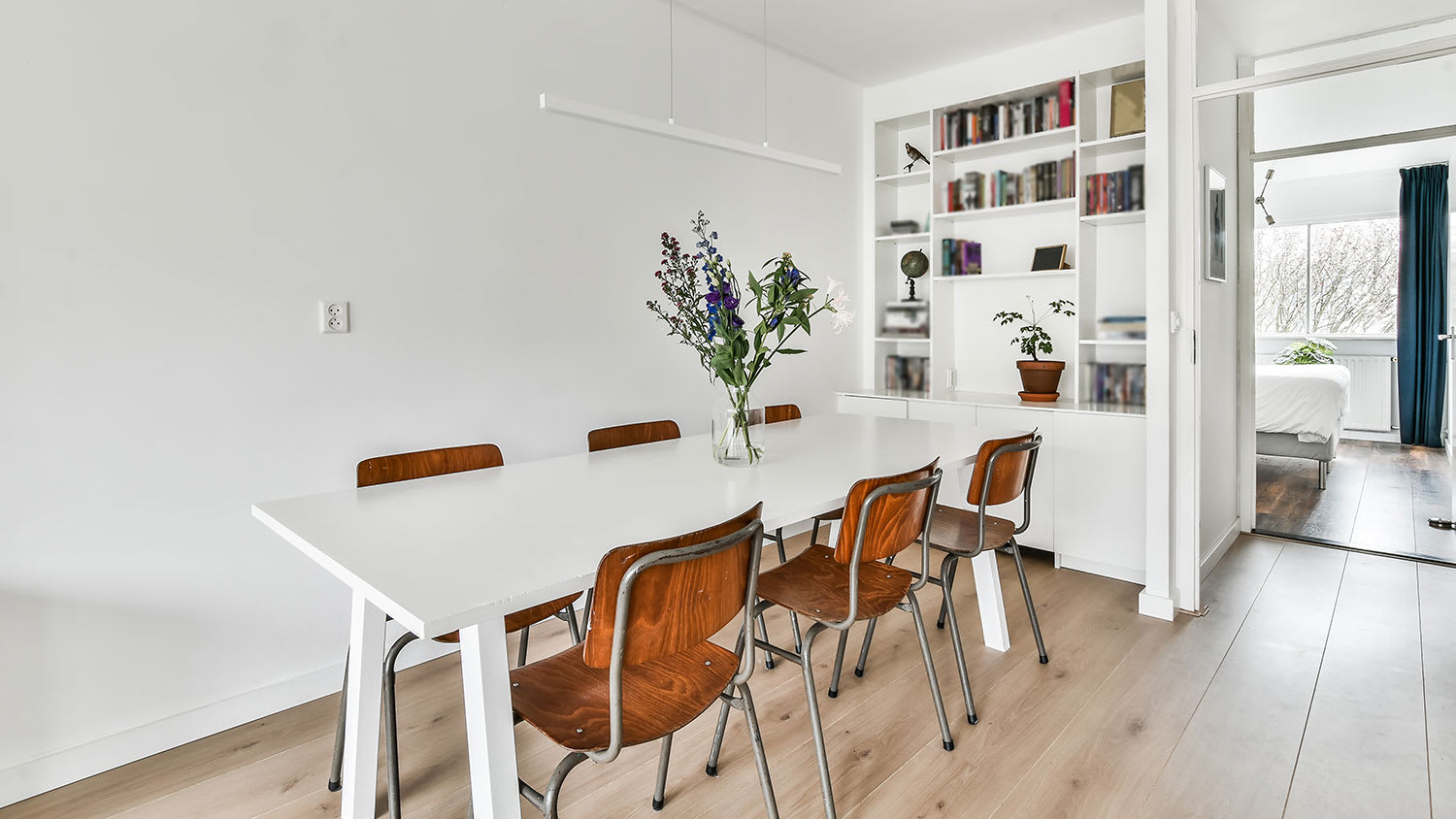
You should stagger drywall sheets to help prevent cracking. The joints between drywall sheets are the weak spots, so if you install drywall with seams aligned, you’ll create weak lines that run across the length of the wall and extend from floor to ceiling. But when you stagger drywall, the solid sections of panels will support the joints. This can prevent seams from cracking or separating due to fluctuating temperature and humidity, vibrations from movement inside the home, and gravity.

The Irwin, PA homeowners’ guide to drywall services

From average costs to expert advice, get all the answers you need to get your job done.