




Top-rated ceramic tile pros.

Get matched with top ceramic tile pros in Mcmurray, PA

Enter your zip and get matched with up to 5 pros

Need a pro for your ceramic tile service project in Mcmurray, PA?

Select your specific project to find the pro for you.

TRUSTED BY MCMURRAY, PA HOMEOWNERS

  • Average homeowner rating star icon4.6
    Average homeowner rating
  • Verified reviews icon102
    Verified ceramic tile services reviews

Find Ceramic tile pros in Mcmurray

Avatar for Rance Restoration
Rance Restoration
5.0(
6
)
Tile: Ceramic and Porcelain - Install

Serving Mcmurray, PA and surrounding areas

Approved

Free estimates

Small jobs welcome

"He was very professional, on time and reasonable rates. He put several pieces of furniture together for me. He sure knows how to put furniture together. I would hire him over and over again."
23 neighbors recently requested a quote
Avatar for Charles McClaine
Charles McClaine
5.0(
6
)
Tile: Ceramic and Porcelain - Repair

Serving Mcmurray, PA and surrounding areas

Approved

In business since 2022

Free estimates

"Charles was very transparent about pricing and payment, and was very personable when I asked questions about the work. The results were amazing, he refinished my old wooden cabinets to basically new in my old Victorian house. Couldn’t be happier, I will be calling back for my next project!"
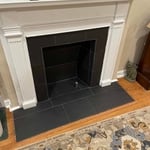
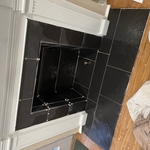
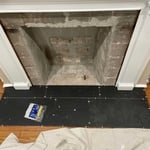
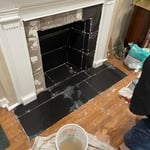
Tile Fireplace Install
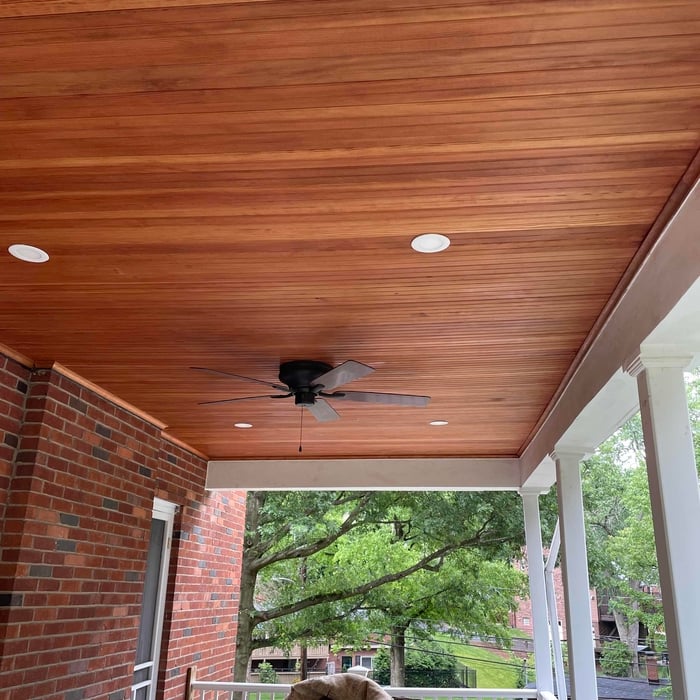
Porch Ceiling

+10

25 neighbors recently requested a quote
...
Showing 1-10 of 165
Ceramic Tile questions, answered by experts

The best trowel for penny tile is a 3/16-inch-by-5/32-inch V-notch trowel. Because of the small size of the penny tile, you want a trowel with small notches that can lay a thin layer of mortar on the surface you’re tiling. If the notches are too wide, you risk applying too thick of a layer of mortar, and it can squeeze out between the penny tiles.

There are several tools that you will use together to install tiles. Four of the most basic tools needed in tile installation include a notched trowel for applying tile adhesive, a tile cutter or saw for cutting tiles to size, tile spacers for creating the appropriate amount of space between tiles, and a grout float for applying grout.
Generally speaking, it is better to cut tile wet when using a fast-moving wet saw to reduce dust and chipping. However, tile can be cut dry when using just about any cutting tool. Dry cutting will result in a bigger mess and may increase the risk of chipping or cracking, but if you’re just making small cuts, dry cutting is a safe and viable option. Cutting dry also means you can apply tile grout sooner, so it’s better for rushed projects.

You can attach tiles to a wall using thin-set mortar. You’ll also need a notched trowel to create grooves within the adhesive so it flattens completely when pressed in and securely holds the wall tiles. Finally, you’ll need grout to smooth the gaps between the tiles and, ideally, a grout sealer to prevent mold. While it sounds simple enough, proper planning and execution are crucial, so carefully review the steps in this guide or hire a pro tile installer to complete this project.

Options include clay, concrete, and slate tiles. Each offers unique durability, aesthetics, and costs.
The Mcmurray, PA homeowners’ guide to ceramic tile services
From average costs to expert advice, get all the answers you need to get your job done.