
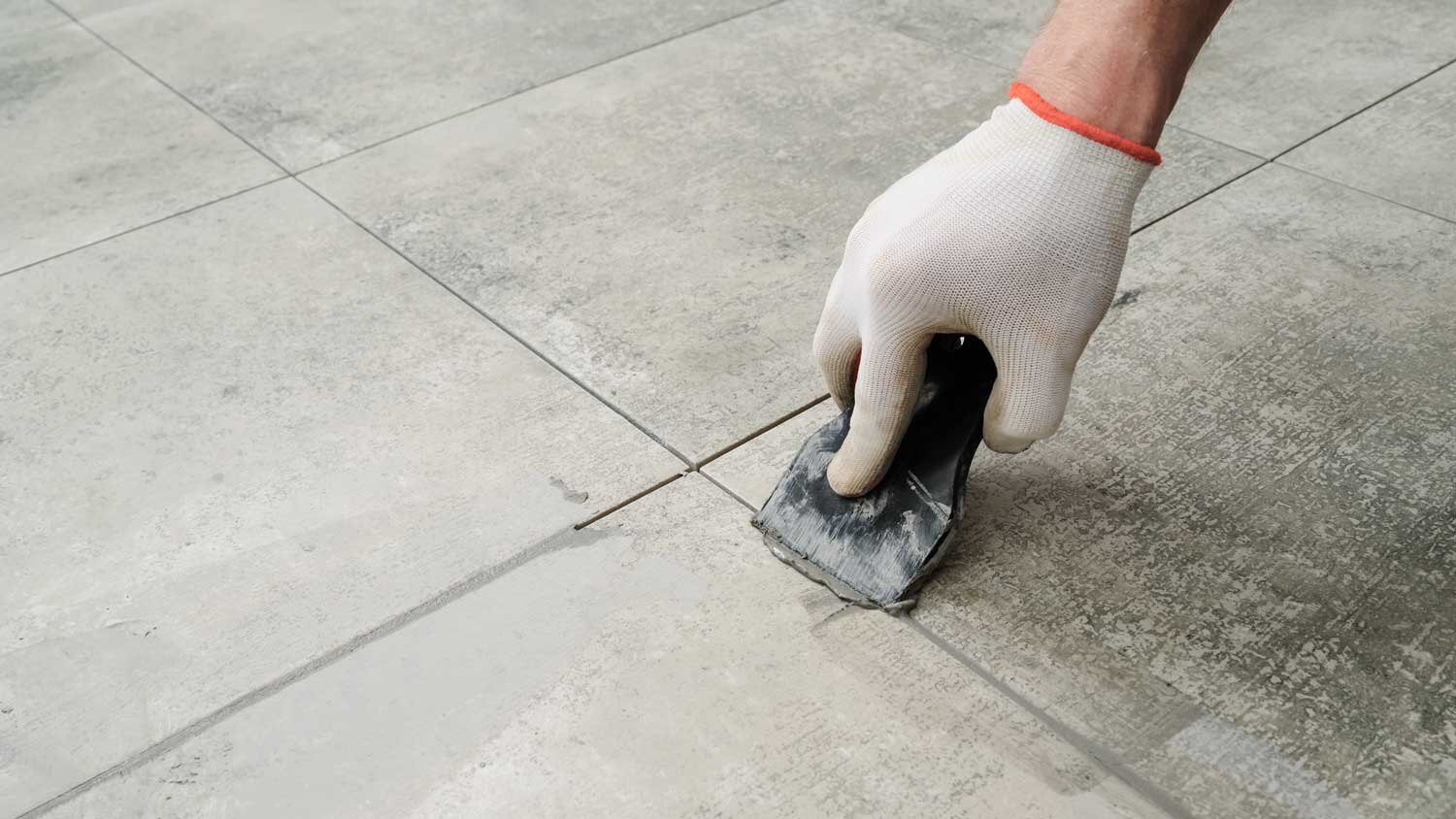
Discover the average cost of grout repair, key price factors, and tips to save. Get expert advice to plan your grout repair project with confidence.
Seal the deal with the right grout pick

Cement grout is made from cement, water, and sand, while epoxy grout is resin-based with a hardener for stronger bonding.
Cement grout is prone to staining and water absorption, while epoxy grout can be challenging to apply and requires swift, precise work.
Epoxy grout outlasts cement grout by decades without cracking or fading, making it more durable for high-traffic areas despite higher upfront costs.
Hiring a local tile professional keeps your grout installation smooth and stress-free, especially with epoxy's quick setting time and precise application needs.
When embarking on a tiling project, choosing the right grout can be as crucial as selecting the tiles themselves. That’s why we’re going to dive into the comparison of epoxy grout versus cement grout to help you make an informed decision. Whether you're renovating a bathroom, kitchen, or any other tiled area, understanding the differences between these two types of grout is essential.
The primary difference between epoxy grout and cement grout lies in their composition and performance characteristics. Epoxy grout is a resin-based product that includes a hardener, making it highly resistant to stains, chemicals, and moisture. Cement grout is made from a mixture of cement, water, and sand, which makes it more porous and susceptible to staining but easier to work with and more cost-effective.

So, exactly what is epoxy grout? Put simply, it’s a type of grout made from epoxy resins and a hardener. It forms a durable, waterproof, and stain-resistant bond that is ideal for areas prone to moisture and staining.
| Pros | Cons |
|---|---|
| Stain-resistant | Higher cost |
| Durable | Challenging to apply |
| Non-porous | Hard to remove |
| Waterproof | Plastic appearance |
One of the standout benefits of epoxy grout is its incredible durability. Unlike cement grout, epoxy grout does not crack, shrink, or disintegrate over time, making it ideal for areas subjected to heavy wear and tear. Its non-porous nature ensures that it remains impervious to water, preventing mold and mildew growth.
Additionally, epoxy grout is resistant to a wide range of chemicals, which makes it an excellent choice for commercial kitchens or areas where harsh cleaning agents are frequently used. Another advantage is its color consistency: Epoxy grout doesn’t fade or change color, maintaining its aesthetic appeal for years.
Despite its many advantages, epoxy grout does have its drawbacks. The cost is a significant factor, as it is more expensive than cement grout. This might be a consideration for larger projects or for those on a tighter budget. Moreover, epoxy grout can be challenging to apply, especially for inexperienced DIYers. It requires precise mixing and swift application, as it sets quickly.
The cleanup process is also more demanding: If excess grout is not removed promptly, it can be tough to clean off the tiles. Furthermore, some people find the look of epoxy grout to be too shiny or plasticky, which might not suit all aesthetic preferences.
Best For:
Bathrooms and showers
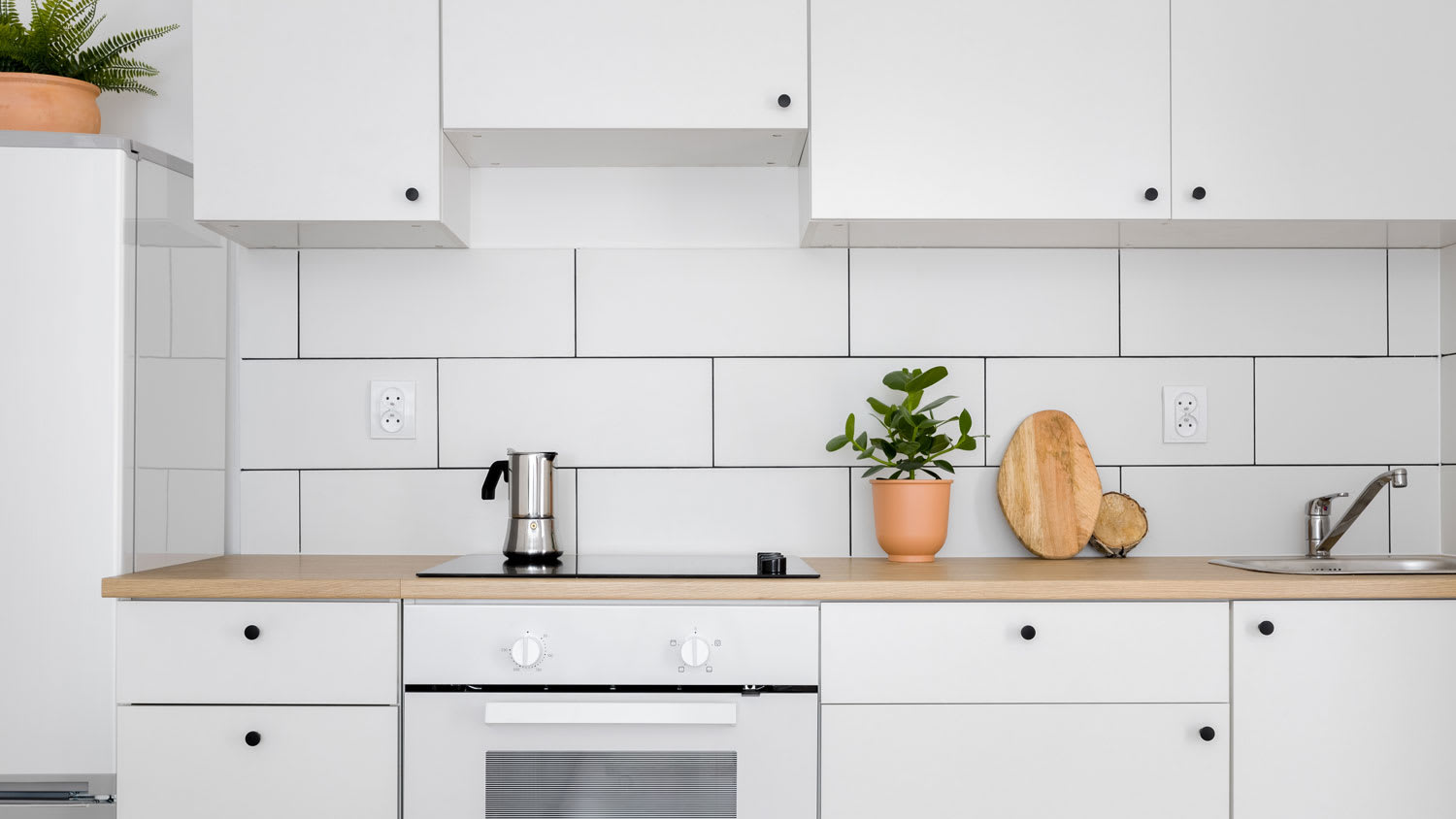
Kitchen backsplashes
Commercial kitchens
High-traffic areas

Cement grout is the traditional type of grout used in tiling projects. It is composed of a mixture of cement, water, and sand, making it more porous and flexible.
| Pros | Cons |
|---|---|
| Cost-effective | Prone to stains |
| Easier to apply | Prone to cracking |
| Various colors | Requires sealing |
| Wide grout joints | Less durable |
Cement grout is favored for its affordability and ease of use. It is widely available and comes in various colors, allowing for greater customization in your tiling project. Its application process is also straightforward, making it a popular choice for DIY projects.
This type of grout is also more forgiving during installation, allowing for a longer working time and easier cleanup compared to epoxy grout. Another advantage is its versatility: It can be used in various tile joints, including wider grout lines, which can be beneficial for certain design aesthetics.
Unfortunately, cement grout is not without its downsides. Its porous nature makes it prone to staining and water absorption, which can lead to mold and mildew growth in high-moisture areas. This means regular grout sealing to protect against these issues, adding to the maintenance workload.
Cement grout is also less durable than epoxy; this type of grout can loosen, crack, shrink, and deteriorate over time, especially in high-traffic or high-stress areas. Furthermore, its color can fade or change over time, which might detract from the overall look of your tiled surfaces.
Best For:
Standard residential projects
Areas with low moisture
DIY projects
Projects with a tight budget

When comparing epoxy grout and cement grout, it's crucial to consider the specific needs and conditions of your project. Each type of grout has its strengths and weaknesses, which can make one more suitable than the other depending on the application. Let’s explore how epoxy grout and cement grout measure up in various aspects.
Epoxy grout is renowned for its durability. It can withstand heavy traffic, harsh chemicals, and constant moisture without degrading. Cement grout, while still durable, is more susceptible to cracking, staining, and water damage over time. Therefore, for projects where long-lasting performance is critical, epoxy grout is the superior choice.
The lifespan of epoxy grout surpasses that of cement grout. Epoxy grout can last for decades without significant wear or discoloration, whereas cement grout may need repairs or replacement within a few years, especially in demanding environments. This makes epoxy grout a more cost-effective option in the long run despite its higher initial cost.
Moisture resistance is another area where epoxy grout excels. Its non-porous nature ensures that it remains impervious to water, preventing mold and mildew growth. Cement grout, however, is porous and absorbs moisture, requiring regular sealing to maintain its integrity. For bathrooms, kitchens, and other wet areas, epoxy grout is the clear winner.
Cement grout is easier to apply than epoxy grout, particularly for those with limited experience in tiling. It offers a longer working time and simpler cleanup. Epoxy grout, on the other hand, sets quickly and requires precise mixing and application, which can be challenging for beginners. We recommend enlisting the help of a local tile pro for epoxy grout to ensure optimal results.
Cement grout is more adaptable for use in larger grout joints. Its flexibility and ease of application make it suitable for wider gaps between tiles. Epoxy grout, while highly effective in smaller joints, can be more difficult to work with in larger joints due to its quick setting time and need for precision.
The appearance of grout can significantly impact the overall look of your tiling project. Epoxy grout maintains its color and appearance over time, without fading or discoloration. It also provides a glossy finish that some may find appealing. Cement grout, however, can fade and stain over time but offers a more traditional matte finish that some may prefer. It also comes in a broader range of colors, providing more customization options.
Tile floor or tile shower regrouting cost is a significant factor in choosing between epoxy grout and cement grout. Epoxy grout is considerably more expensive than cement grout, both in terms of material cost and labor. However, its durability and low maintenance requirements can make it more cost-effective over time. Cement grout is more budget-friendly upfront but may incur additional costs for sealing and potential repairs down the line.
Terrible experience. Walls/trim/floors/cabinets/doors all have drip marks, overspray, etc. Tiling at the fireplace had to be redone by another vendor due to incorrect and shoddy install by Profect. Contractor had his children in our house while he was on site without prior authorization or...
 Profect painting & exteriors
It was wonderful working with Yordy and his team. They were very professional and are experts in what they do. They have completed the work on time, with better quality and with in fairly reasonable price. We just started with backsplash work , but liking his work, we went on to provide...
 Flooring Solutions
We were having 2”x 2” tile installed . There was a small installation error and the new additional replacement tile was from a different lot and the colors didn’t match. Joe assured us that he would rectify everything , which he did without hesitation. We decided to go with the 18” x 36” tile...
 CarifaTile
For several months I was looking for somebody to tile a wall in my master bath and move lighting fixtures, and could not find anybody who was responsive. I contacted Rowe through Home Advisor and within days they came by to assess the job and provide an estimate. The cost was very...
 Rowe House Development
It went very well! The end product was amazing and we keep getting a lot of compliments from friends! M&E were very professional and they made sure we were happy with the product before leaving. They met with us in our home and at the tile shop to make sure we were okay with our tile and...
 M&E Remodeling
Involved an extensive bathroom remodel, including removing tub & installing walk in shower, new drywall, custome tile work to ceiling, plumbing, etc. Overall, job was done on time and on budget. Nick & his team were very professional and had high attention to detail. Quality was great. Highly...
 Stamos Flooring and Remodeling LLC
Very pleased with the service and level of professionalism. Courteous and very unobtrusive in performing service. Unlike several other companies, Bradford Xteriors was willing to perform work on a three story home with a clay tile roof. <br />
 Bradford Xteriors
This company did a very good job on the brick wall and it looks just amazing. The staff was always professional and was practically OCD on how the bricks were stacked and how they were laid. Although it took longer than expected, I am willing to sacrifice time over perfection anyday. The...
 My Handy Mate LLC Improvement & Remodeling
He did the tile work and he was good at it. He used other subcontractors for the rest of the work (like putting in the cabinetry) and they were okay but not great. He was a great guy! He was easy to work with and had a good eye for the detail of his work. There were a couple of things that I...
 Brian Miller Custom Remodeling
I was very impressed with Miller Cantrell! I live in an old home in which the sewage line that runs from my home to the sewage system is a line of clay tile. These eventually collapse and need to be replaced - an expensive problem and sure to happen at the worst time. I told them that my...
From average costs to expert advice, get all the answers you need to get your job done.
Discover the average cost of grout repair, key price factors, and tips to save. Get expert advice to plan your grout repair project with confidence.

Epoxy grout is a durable, resin-based grout that’s easy to maintain. It’s pricier than cement grout, but it could be ideal for your tile installation.
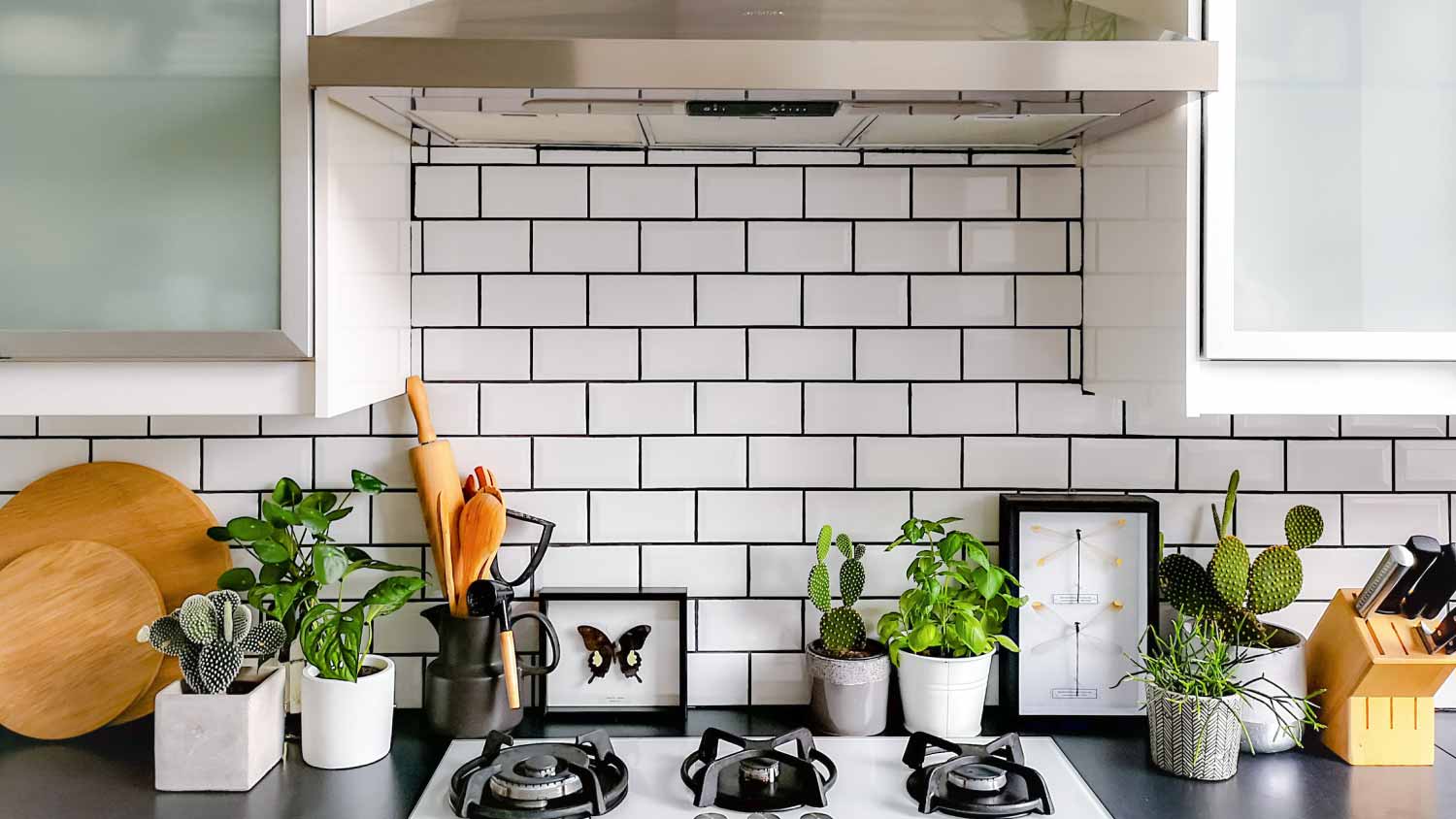
Learn about the seven types of grout so that you can choose the right one when installing tiles on any wall or floor in your home.

Keep your bathrooms and kitchens looking their best by learning how to clean floor tile grout in this complete guide.
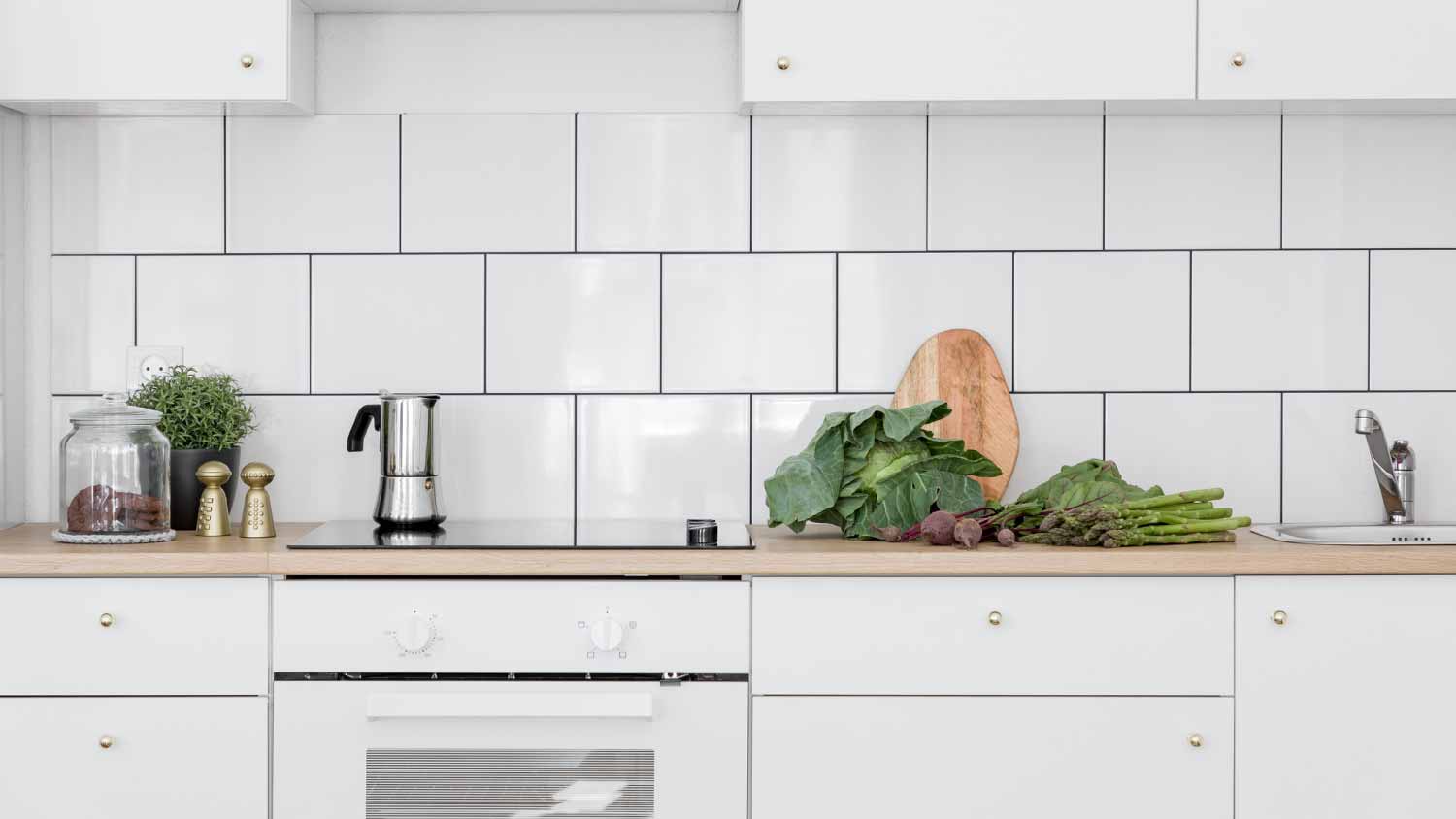
What is grout, and what is its purpose? The answer is important if you’re planning a remodel soon. Learn all you need to know about grout in this guide.
Choosing the best grout for kitchen backsplashes depends on your priorities and backsplash design. Learn how to choose the best grout for your backsplash.