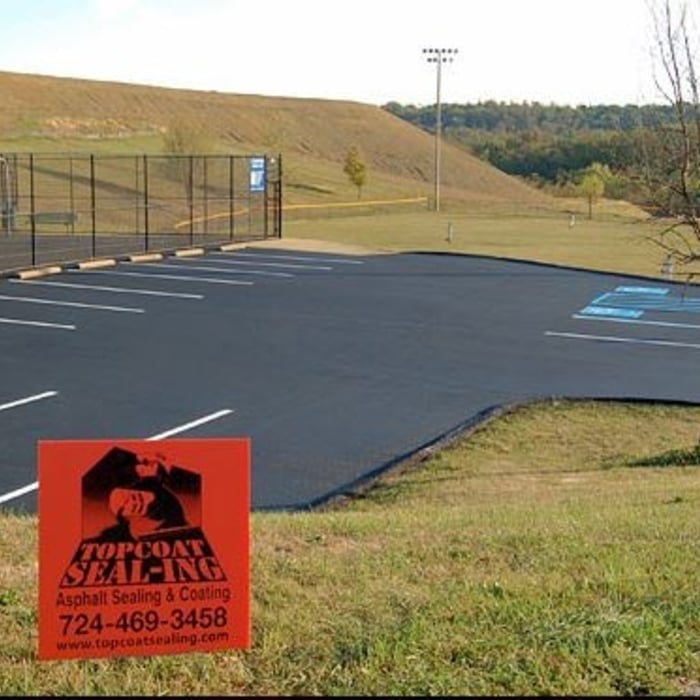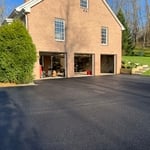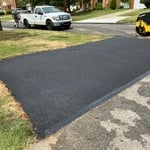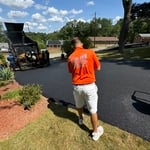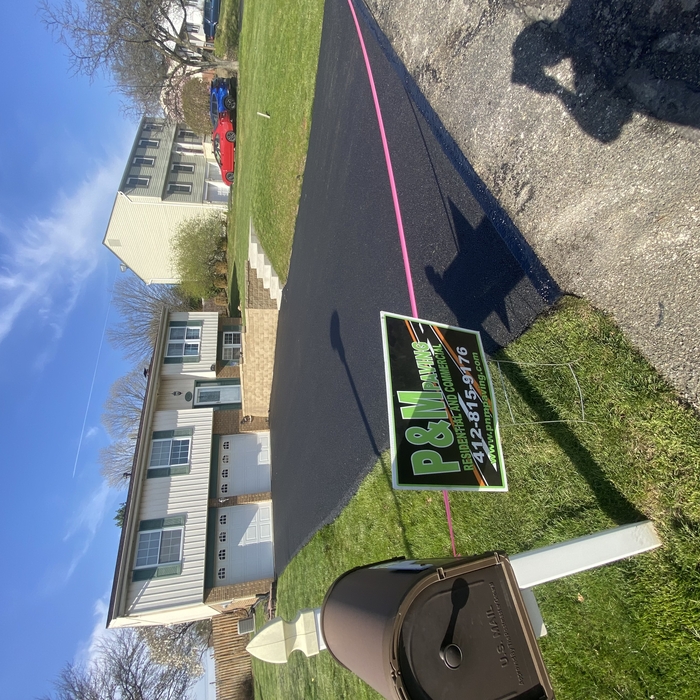





Top-rated paving pros.

Get matched with top paving pros in Bellevue, PA

Enter your zip and get matched with up to 5 pros

Need a pro for your paving service project in Bellevue, PA?

Select your specific project to find the pro for you.

TRUSTED BY BELLEVUE, PA HOMEOWNERS

  • Average homeowner rating star icon3.9
    Average homeowner rating
  • Verified reviews icon128
    Verified paving services reviews

Find Paving pros in Bellevue

Avatar for Wizard Roofing, Asphalt, & Construction
Wizard Roofing, Asphalt, & Construction
4.1(
386
)
Asphalt Paving - InstallAsphalt Paving - Repair or PatchAsphalt Paving - Repair or Patch - For Business

Serving Bellevue, PA and surrounding areas

Approved

In business since 2012

Free estimates

Emergency services offered

"Highly recommend! Jim responded quickly to our inquiry to pave our driveway and came by later in the day to check it out and give us a quote. Out of all the quotes we received his was the most reasonable. Jim and his team did an awesome job repaving our driveway. They worked efficiently and cleaned up well after themselves."
Shingle roofing system
Shingle Roof
Flat Roofing System
Flat Roofing System
box gutters

+16

Response time1 day
111 neighbors recently requested a quote
Recommended by81%of homeowners
...
Showing 1-10 of 150
Paving Services questions, answered by experts

Generally speaking, tiles are for indoor use, while pavers are for outdoor use. The main difference between travertine tiles and pavers is their thickness. Tiles are around 1/2 inch thick, and pavers are 1 1/4 inches to 2 inches thick.

Pavers are more rugged and can handle different weather. The extra thickness on pavers also makes them ideal for high-traffic areas.

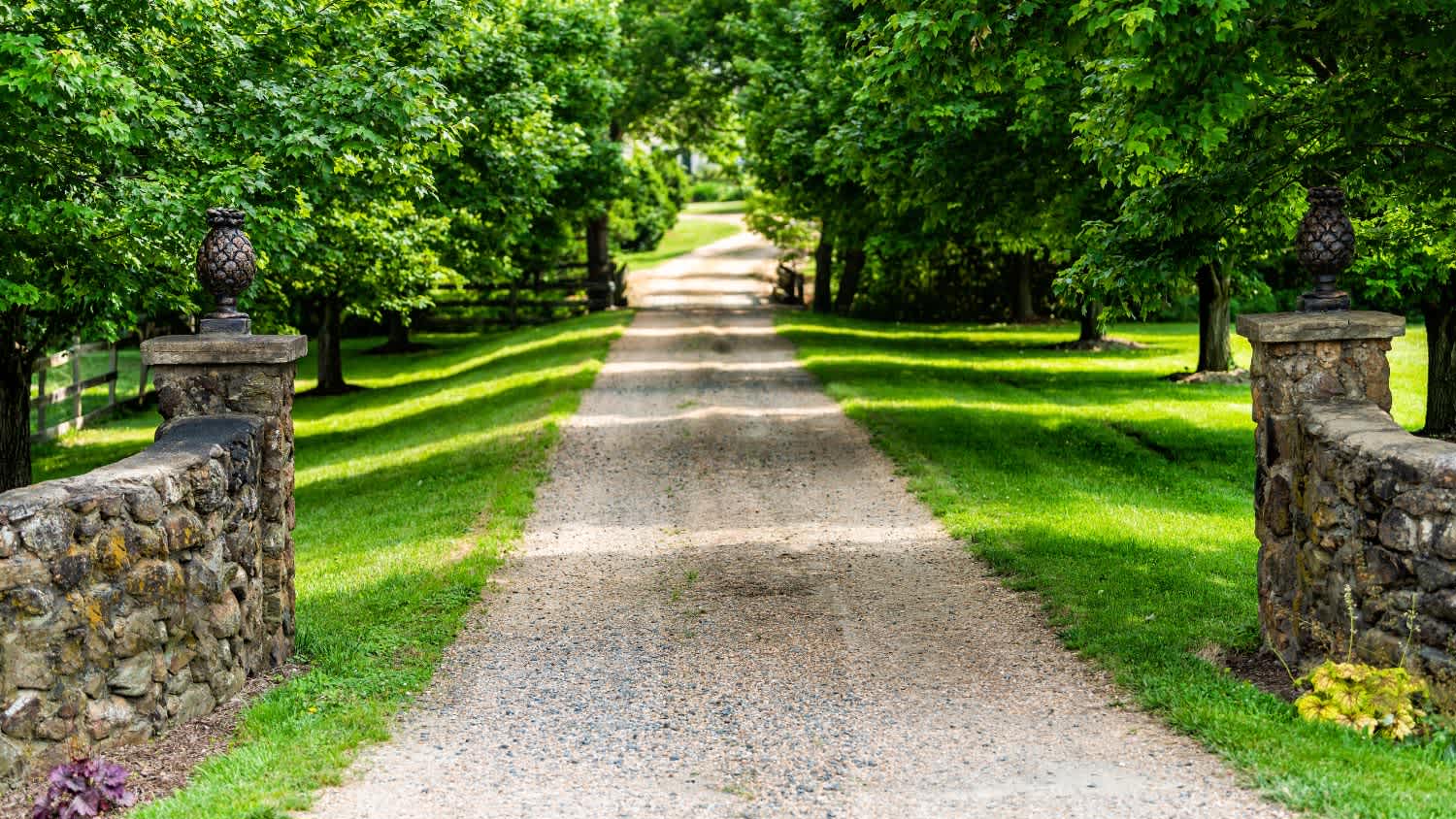
The material that’s best for your private road depends on your property, the climate in your area, and your personal preferences. Gravel is an affordable option, but some homeowners don’t like how it looks. It can be a pain to remove snow from, and it requires more ongoing maintenance than asphalt or concrete. However, while these other options require less maintenance and make snow removal a breeze, they’re more expensive and will need repairs from time to time. Ultimately, you’ll have to choose the road material that suits you and your property best.

Maintaining a driveway depends on its material. For concrete and asphalt, it's best to clean the surface thoroughly twice a year with a stiff broom and a pressure washer to remove accumulated dirt and debris. Sealing the driveway is crucial to protect it from water damage and freeze-thaw cycles. Before applying a sealant, pressure wash the surface to remove any loose sealant, dirt, or stains, as sealing over them will trap them. Any cracks or expansion joints should be filled with a flexible polyurethane caulk or asphalt sealer. In colder climates, use sand instead of salt for de-icing. Sand helps melt snow and ice without accelerating the freeze-thaw process, which can cause cracks.

The average cost to repair an asphalt driveway is around $2,459 to $2,500. However, prices can range from $100 for minor DIY crack filling to over $4,000 for more extensive professional work. Costs are often calculated per foot, with minor repairs costing $1 to $3 per linear foot and heavier damage like potholes, sinking, or crumbling costing $2 to $5 per linear foot. Patching smaller potholes can cost around $2 to $3 per square foot. The final price depends on the severity and extent of the damage, driveway design, local contractor rates, and whether sealing is included. For major repairs, it is recommended to hire a professional, and you may get a better deal by bundling repair and sealing services together.

While blacktop is a type of asphalt, the terms should not be used interchangeably, as not all asphalt qualifies as blacktop. The primary differences are in their composition, production process, and ideal applications. Blacktop contains more stone than other types of asphalt and is heated to a higher temperature during production—300°F or more—while hot-mix asphalt is heated to between 275°F and 300°F. The ratio of bitumen (a tar-like crude oil) is a key differentiator, though sources vary: some state blacktop has less bitumen, making it less durable, while others claim it has a higher ratio. Due to these differences, asphalt is generally more durable and better for high-traffic areas like highways and streets, while blacktop is more suitable for playgrounds and residential driveways. For a driveway project, it is best to consult a professional to determine the most appropriate material.
The Bellevue, PA homeowners’ guide to paving services

From average costs to expert advice, get all the answers you need to get your job done.