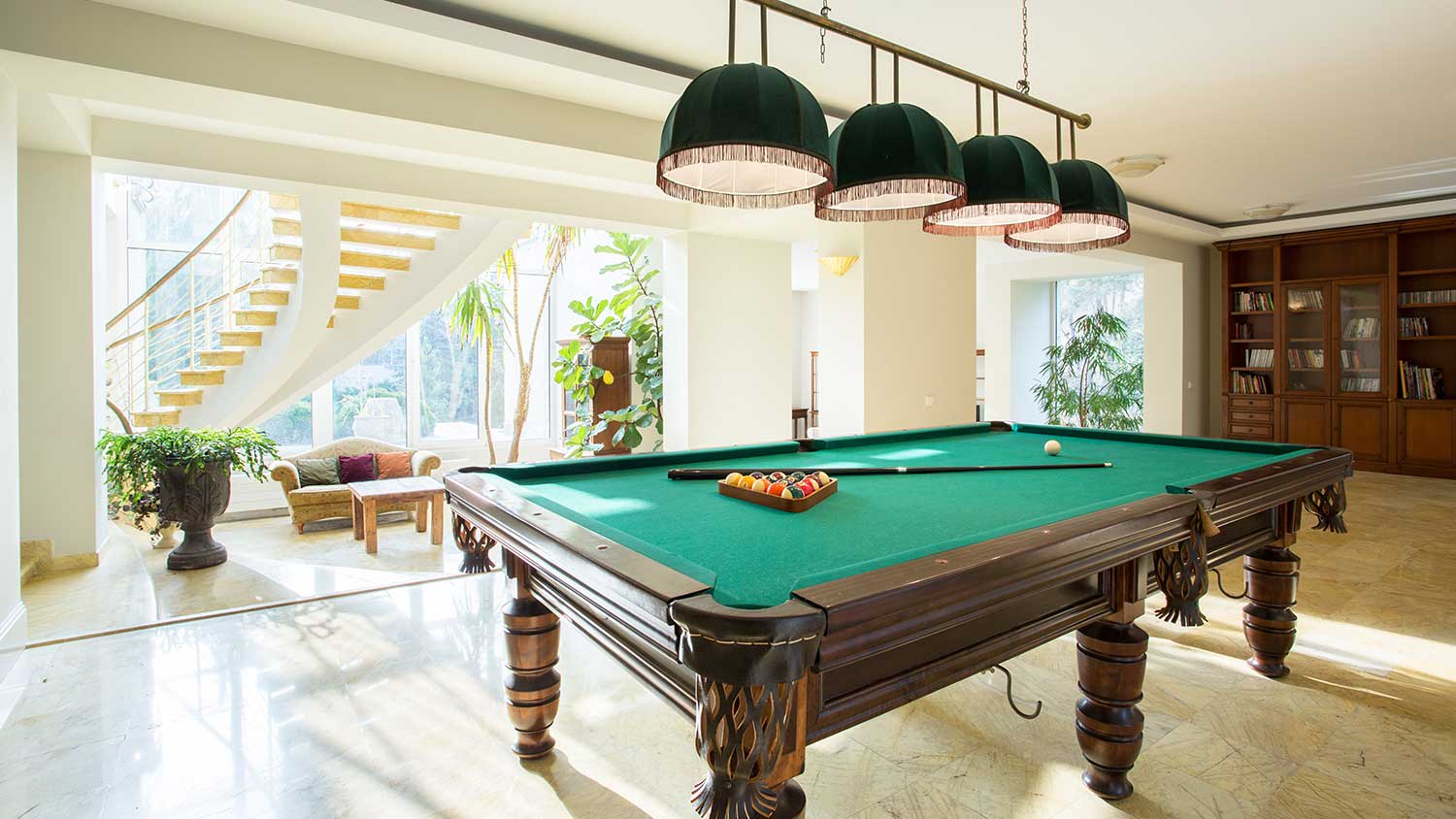



Top-rated pool table assembly pros.

Best pool table assembly pros near Altoona, PA

Enter your zip and get matched with up to 5 pros

Need a pro for your pool table assembly project in Altoona, PA?

Select your specific project to find the pro for you.

TRUSTED BY ALTOONA, PA HOMEOWNERS

  • Average homeowner rating star icon4.4
    Average homeowner rating
  • Verified reviews icon116
    Verified pool table assembly services reviews

Top-Rated Pool table assembly pros in Altoona - Updated Nov 2026

Avatar for Hello Handyman, LLC
Hello Handyman, LLC
4.6(
28
)
Handyman for Multiple Small Projects

Serving Altoona, PA and surrounding areas

Approved

In business since 2016

Free estimates

Warranties offered

"Jim & Brian did a beautiful job on my home. They were fast, efficient, and thorough. They were here on time every morning. They helped me choose the color of paint and it was the perfect color. Several of my neighbors gave me compliments about how good and professional they were. I would hire them again in a heartbeat."
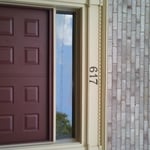
Painting and Insulated Glass Replacement
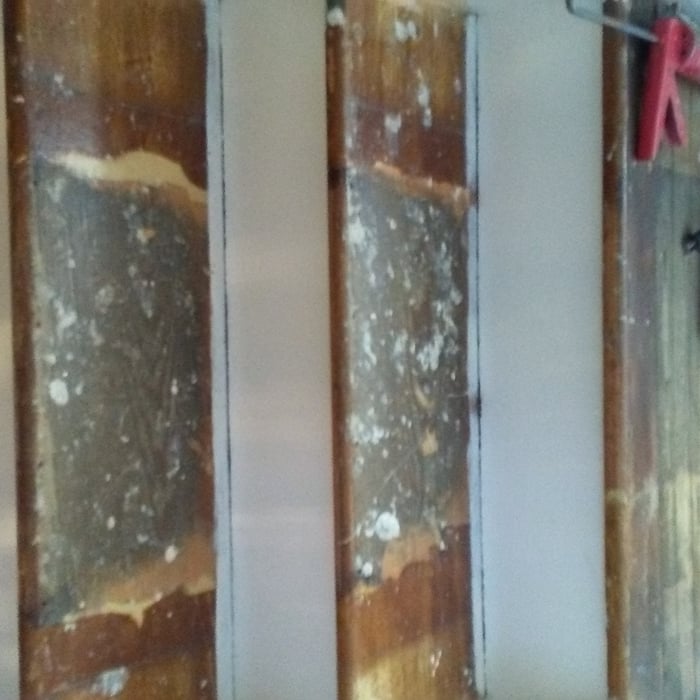
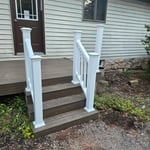
Laminate Stair Tread
Mary C. Bathroom
Painting and Insulated Glass Replacement
Laminate Stair Tread

+51

Response time8 hrs
Response rate87%
Recommended by95%of homeowners

Showing 1-10 of 47
Pool Table Assembly FAQs, answered by experts

The best temperature to paint a pool deck is between 50 and 90 degrees Fahrenheit, because many paints and sealers require temperatures warm enough for the chemical reaction to take place for proper curing. The paint should not be allowed to freeze, and temperatures above 90 degrees can cause the paint to dry too quickly, also preventing the chemical reaction from following through to completion.

Generally, you do not need to drain your pool to convert it to a saltwater system. The main exception is if you have used an antibacterial agent containing polyhexamethylene biguanide to sanitize your pool, as these sanitation products do not mix well with saltwater systems. If this is the case, you will need to start fresh. You can either drain the pool or treat the existing water with a high dose of chlorine to remove the antibacterial agent. If you choose the chlorine treatment, wait several days to allow the chlorine to work before proceeding with the conversion. If you are unsure whether this applies to your pool, consult a pool technician.

The process involves designing the pool, obtaining necessary permits, excavating, installing plumbing and electrical components, configuring the pool's structure and lining, and finally completing landscaping and decking for integrated aesthetics.

Your aboveground pool might technically be able to stand without water, but you shouldn't consider it stable. Aboveground pools need the weight of water to provide adequate stability and prevent the walls from collapsing in. Be sure to fill your pool with water as soon as possible after installation.

Yes, pool pumps use a significant amount of electricity, making them one of the biggest energy consumers in a home. A pool pump can use up to three times as much electricity as a refrigerator. Typically, a residential pool pump consumes about 1 kilowatt-hour (kWh) for every hour it runs. Because pumps often need to run for about eight hours a day to properly filter the water, this can add up to an annual consumption of 3,000 to 5,000 kWh, which can cost between $480 and $800 per year based on average electricity rates.
The amount of electricity your pump uses depends on its size, energy efficiency, and daily run time. To lower your energy consumption, you can choose an energy-efficient or variable-speed pump, ensure it is correctly sized for your pool, and run it only for the minimum time required to keep the water clean.

The Altoona, PA homeowners’ guide to pool table assembly services

From average costs to expert advice, get all the answers you need to get your job done.