

Top-rated pool table assembly pros.

Get matched with top pool table assembly pros in Duncansville, PA

Enter your zip and get matched with up to 5 pros

Need a pro for your pool table assembly project in Duncansville, PA?

Select your specific project to find the pro for you.

TRUSTED BY DUNCANSVILLE, PA HOMEOWNERS

  • Average homeowner rating star icon4.5
    Average homeowner rating
  • Verified reviews icon125
    Verified pool table assembly services reviews

Find Pool table assembly pros in Duncansville

Avatar for Hello Handyman, LLC
Hello Handyman, LLC
4.6(
28
)
Handyman for Multiple Small Projects

Serving Duncansville, PA and surrounding areas

Approved

In business since 2016

Free estimates

Warranties offered

"Jim & Brian did a beautiful job on my home. They were fast, efficient, and thorough. They were here on time every morning. They helped me choose the color of paint and it was the perfect color. Several of my neighbors gave me compliments about how good and professional they were. I would hire them again in a heartbeat."
Painting and Insulated Glass Replacement
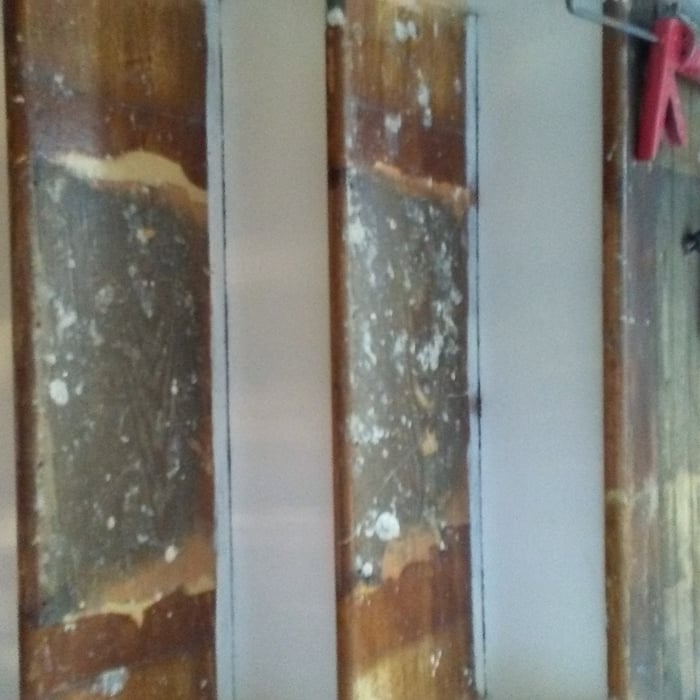
Laminate Stair Tread
Mary C. Bathroom
Painting and Insulated Glass Replacement
Laminate Stair Tread

+51

Response time8 hrs
Response rate87%
Recommended by95%of homeowners
Avatar for LSM Solutions
LSM Solutions
3.7(
6
)
Handyman for Multiple Small Projects

Serving Duncansville, PA and surrounding areas

In business since 2018

Free estimates

Emergency services offered

"I was extremely pleased with the courtesy and professionalism of the Handyman that came to my house. Not only were they conscious of cleanliness around their work area but involved me in the projects to get my opinion on how I wanted things done. I would highly recommend this service to anyone 🤩"
Response time2 days
Recommended by100%of homeowners
Showing 1-10 of 42
Pool Table Assembly questions, answered by experts

The total time to install an inground pool typically ranges from 8 weeks to 4 months. This timeline can be influenced by several factors, including permitting, site preparation, and the construction process itself.

Key phases and their typical durations include:

  • Permits: Obtaining necessary permits can take anywhere from two to six weeks.

  • Excavation and Site Preparation: This phase takes about a week but can be extended by problematic soil, unexpected ground conditions, or the need to move underground utility lines.

  • Construction: The actual build, including plumbing and electrical work, often takes one to two months. The pool material is a major factor here; a concrete pool needs about 30 days to cure, while installing a fiberglass or vinyl liner is much faster.

External factors can also cause significant delays:

  • Contractor Availability: Spring and summer are busy seasons, and high demand can lead to long waitlists, potentially adding months to your start date. It is often recommended to start planning and getting estimates up to a year in advance.

  • Other Delays: Weather, material shortages, complex designs, and other unforeseen challenges can extend the project timeline.

It is a good idea to brush a pool before shocking. Brushing the sides and floor loosen up anything that is growing on the surface, such as algae. It is then easier for the pool shock to kill the contaminants because more of it will come in contact with the chemicals.

Liquid chlorine is better for shock treatments or instances where you need to raise your chlorine levels quickly. Tablets are better for regular maintenance. Tablets take more time to dissolve but require less effort. You don’t need to measure out volume, and you can set them in a floater and let that do the work.

Avoid the dreaded pool pop by only draining your pool during dry, temperate times of the year. If there is too much moisture or the threat of ice in the ground surrounding your pool, the pressure could disrupt the stability of your pool's floors and walls. Additionally, always open the hydrostatic drains in an inground pool toward the end of the design process.

The only pools that don’t need grounding are those without electrical components, such as small inflatable pools. Any outlet around a pool should be a GFCI to cut the current if the outlet gets too wet. At the very least, the pool’s electrical should be plugged into a GFCI outlet, if not a dedicated GFCI breaker. Check local guidelines and requirements to ensure you’re following all safety regulations. 

The Duncansville, PA homeowners’ guide to pool table assembly services

From average costs to expert advice, get all the answers you need to get your job done.