


The average cost to replace an electrical mast is around $750, depending on the size and extent of the replacement. Read on to budget for a meter riser.
Gauge the size of wires no matter the amperes

Choosing the right wire size for a 40 amp circuit depends on distance from the subpanel, voltage, and wire type to prevent overheating.
Rewiring projects cost $1,500 to $10,000 on average, with wire material ranging from $0.25 to $1.60 per linear foot for your home.
Your electrical system needs proper amperage calculations that account for voltage drops, load requirements, and the 80% maximum capacity rule for safety.
Hiring a local electrical professional removes the guesswork from wire sizing and ensures your circuits meet code requirements for safe operation.
Trying to decipher the right wire gauge for your home can feel as confusing as a tangled mess of wires. But using a wire gauge chart can help answer your lingering questions and ensure you find the right fit. Check out our chart on wire sizing by ampacity size to help you untangle the correct wire size for your electrical circuitry.

The American Wire Gauge (AWG) is a standard tool for helping you determine the appropriate wire for your home’s electrical wiring. Used by the National Electrical Code (NEC), this wire sizing system measures the physical diameter of the bare wire, the wire gauge, and the electrical current that can run through the wire—measured in amperes (amps).
Larger wire gauges have a smaller diameter and a lower electrical current carrying capacity, while smaller ones have a larger wire diameter and a higher electrical current carrying capacity.
This is a quality electrical company with very professional and well-trained technicians. They installed new switches, outlets and light fixtures in my 2nd floor, removing the knob and tube wiring and installing new grounded lines. I will be recommending them to all my friends and family.
Knowing your breaker box amps and the amps in the individual breakers can help you determine the size of your breaker box and which wire gauge your electrical circuits require.
Below are the most common amperage sizes in electrical circuits in the home, the wire gauges needed by the number of amps, and the types of electronics that require that amount of amps.
| Wire Gauge Size | Use in Home |
|---|---|
| 16 gauge | Low-voltage lighting |
| 14 gauge | Fans, electrical outlets, receptacles, lighting |
| 12 gauge | Kitchen, bathroom, and laundry room |
| 10 gauge | Some kitchen and A/C appliances |
| 8 gauge | Large appliance and feeder wire |
| 6 gauge | Heavy-duty appliances and feeder |
| 3 gauge | Feeder wire and service entrance |
| 1/0 gauge | Feeder wire and service entrance |
| 3/0 gauge | Service entrance |
For single-pole light switches and other low-voltage lighting or electronics, your circuit breaker may only contain 10 amps. In this case, you’ll need 16-gauge wires for your circuit.
Many residential circuit breakers are 15-amp and require 14-gauge wires. Your electronics, light fixtures, and standard electrical outlets will most likely use one of these gauges.
A 20-amp circuit breaker uses 12-gauge or 10-gauge wires. Most homes use 12-gauge wires for a 20-amp circuit, but if you need to wire more than 100 feet away from the subpanel, increasing the amperage by around 20% is a good idea.
If you’re using units or appliances that require a larger amperage, you’ll need at least a 10-gauge wire. A 30-amp service is common in RVs because it usually contains enough power to run an air conditioner system, refrigerator, and water heater. You’ll find 30-amp services in circuits for water heaters and electric dryers in homes, too.
You’ll need an 8-gauge wire minimum for 40-amp service. This circuit breaker capacity supports HVAC systems and kitchens with units like electric cooktops.
50-amp services may require 6-gauge electrical wires. Large appliances that require 50-amp breakers include kitchen ovens, electrical dryers, and circuits that support multiple heavy-duty appliances.
There are four important factors to consider when choosing the right wire gauge for your amperage: the wire type, the distance, the maximum capacity, and the load requirement. Here’s a closer look at each factor to help you choose the right-sized wire for your electrical circuit.
The type of wire that you choose plays a role in the wire size. Most houses contain copper or aluminum wires. Copper wires are the preferred wire type for home wiring because copper has a higher carrying capacity and better stability than aluminum wires.
Aluminum, therefore, needs a thicker wire gauge than copper to carry the same capacity. You might see aluminum in older homes and in power lines because of how lightweight it is, but most newer homes use copper wiring. Keep in mind that aluminum wiring is very dangerous because it’s a high risk fire hazard, so you should strongly consider replacing it if it’s in your home.
The National Electrical Code (NEC) recommends you increase the amperage to account for a voltage drop. If your wires are less than 10 feet away from the electrical subpanel, you’ll need to factor in a 3% increase in amperage to account for a potential drop.
This amount increases the farther away your wires travel from the subpanel, with a 10% increase at a 50-foot distance, a 20% increase at a 100-foot distance, a 30% increase at a 150-foot distance, and so forth.
The NEC has another rule stating that your circuit’s maximum capacity shouldn’t exceed 80% of the maximum ampacity of your circuit. That’s why you can’t use a 14-gauge wire for a 20-amp circuit. Overloading a circuit can cause the wires to overheat and risk electrical fire, so leave enough wiggle room to avoid overloading the system.
While looking at the total ampacity, you also need to consider the load requirement for a given circuit. Most standard 15-, 20-, and 30-amp circuits are 120 or 240 volts. The total wattage of a 120-volt circuit is much lower than a 240-volt circuit, so take this disparity into account when factoring in the correct wire size to avoid choosing wires that can’t handle the current.
For example, a 20-amp, 240-volt circuit may require a 10-gauge wire, while a 20-amp, 120-volt circuit may need a 12-gauge wire.

Installing wires in your home isn’t a straightforward or risk-free process, which is why it’s best to hire a professional electrician near you to make the connections. While you can use the chart to help you figure out the base wire gauge for your home, there are several factors that can impact the minimum capacity in a given circuit.
Failure to install the correct-sized wire can cause serious damage or injuries. If you have any hesitation in choosing the right wire gauge for your electrical circuit, contact an electrician to do the job. Keep in mind that hiring an electrician costs $50 to $100 per hour.
I recently had Mosby Electric perform an electrical installation on 8-14-2026, and I couldn’t be more satisfied with the service. From the moment I called, their team demonstrated fast arrival and professionalism. The electricians were highly knowledgeable, completing the installation...
 Mosby Electric
Great company! Price was competitive, technician showed up on time and completed the job (exterior electric Radon fan replacement) quickly. Would hire them again.
 MaGen Property Inspections and Radon Mitigation
I conferred with 2 other contractors before Armstrong Electric. Nick and his crew showed me that the project was not as convoluted as the other contractors made it appear to be. They completed the entire project on time. They were professional, friendly and cleaned up after at completion. I...
 ARMSTRONG ELECTRIC, LLC
The techs on my project, Shawn and Cliff, were great. They were prompt, courteous, and efficient. I am very happy with the results and would definitely contact Mr. Electric for any future electrical projects.
 Mr. Electric of Columbus
Victor was wonderful. He was on time, professional, and explained everything he was doing. He was thorough and figured out that the problem was electrical instead of with my HVAC system. Very knowledgeable. I will be using this company in the future for any HVAC needs. Thanks!
 Hubbs Heating & Air LLC
They were excellent. They did a great job. I was totally satisfied. They put tremendous effort in making sure the work was completed. They were great. They provided immediate response to any inquires I made. I would hire them again. I would recommend them to anyone who needs electrical work....
 JCB & Associates, LLC DBA Property-Tech Industries
Initially, the repairman could not find the problem. Apparently, there was some electrical shortage, but he could not find the definite problem. He left, but called back later to say he had a new idea. He returned and replaced the light switches on the doors. The refrigerator seemed to return...
 Appliance Pro LLC
The initial quoted price from a walk-through seemed high, but we discussed that the quote represented worst case scenario (re-wiring to two floors) and we were excited about the opportunity to have the work done in a timely manner with closing for fire safety reasons, etc. When the job was...
I have to tell you I am all about customer service - I will go out of my way and even pay more for it if you give me great customer service. <br> <br>In a world where this is hard to find, these guys were awesome! I can not sing their praises enough. They were prompt, personable, funny, got...
 Waibel Electric
When I challenged the markup on the generator, Bruder Electric withdrew its bid. They only want naïve customers.
From average costs to expert advice, get all the answers you need to get your job done.
The average cost to replace an electrical mast is around $750, depending on the size and extent of the replacement. Read on to budget for a meter riser.
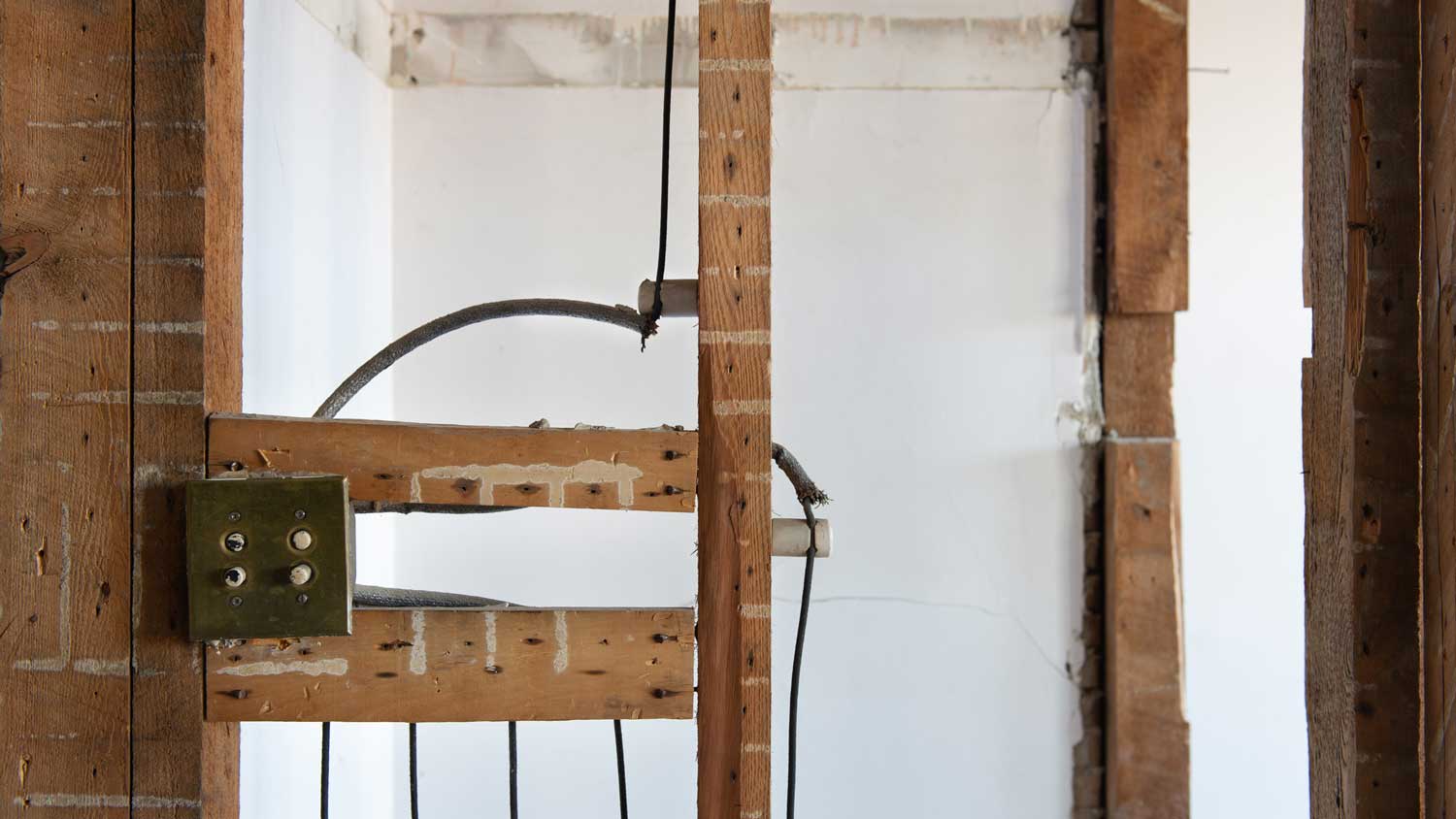
Considering replacing your home’s knob and tube wiring with a contemporary electrical system? Find out what costs and considerations may be involved.
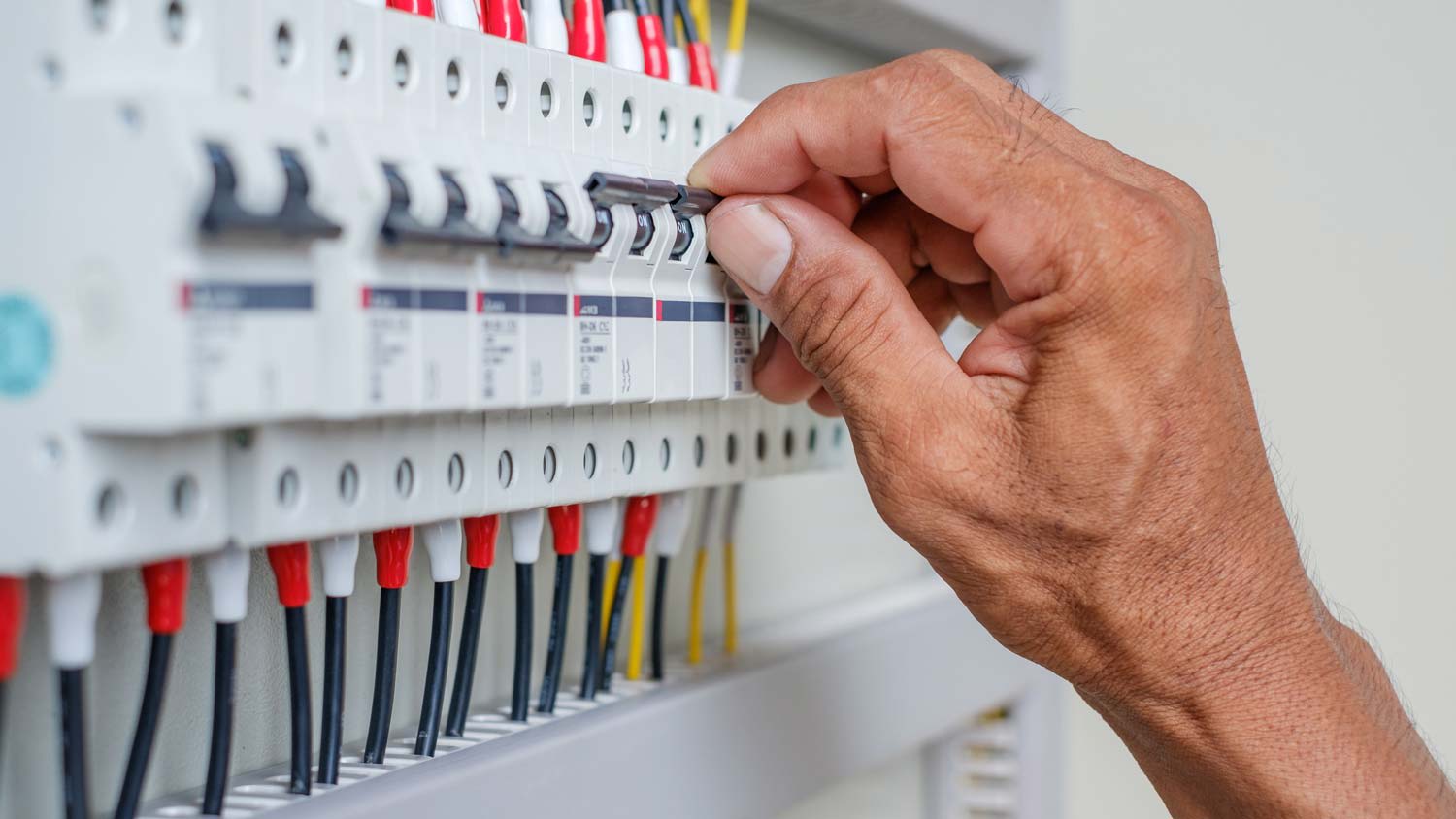
Planning out a 50-amp circuit? Selecting the right wire size is crucial. Find out how to determine the right 50-amp wire size.
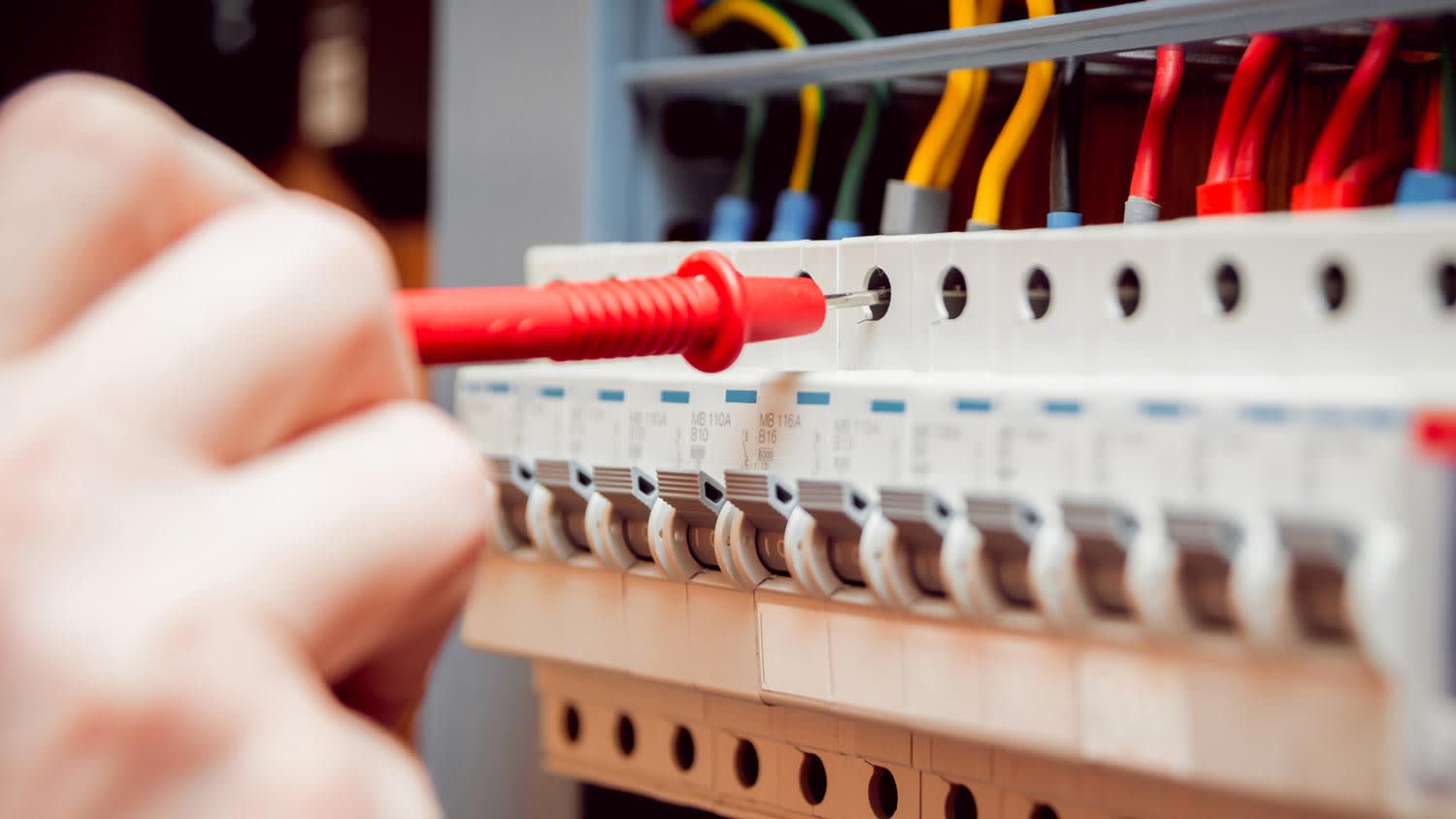
When installing a new 200-amp service panel, the right wire size is critical to ensuring sufficient amperage.

Selecting the right wire size helps your electrical system run safely and efficiently. Find out the correct wire size for 100-amp service panels.
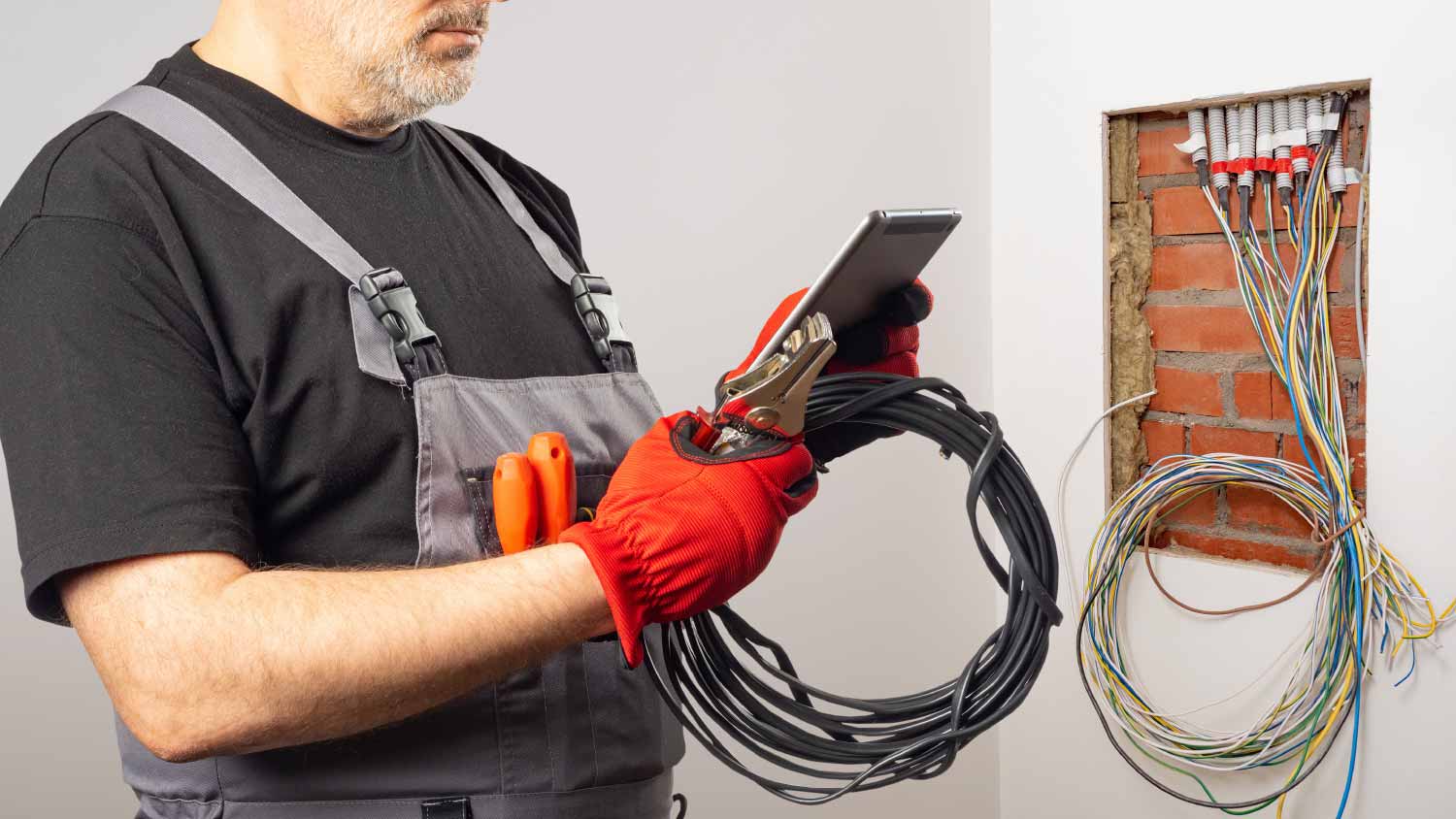
Learn about the correct 125 amp wire size necessary for generator and sub panel service in your home to meet building code requirements.