



Top-rated excavation pros.

Get matched with top excavation pros in Tangent, OR

Enter your zip and get matched with up to 5 pros

Need a pro for your excavation project in Tangent, OR?

Select your specific project to find the pro for you.

TRUSTED BY TANGENT, OR HOMEOWNERS

  • Average homeowner rating star icon4.9
    Average homeowner rating
  • Verified reviews icon55
    Verified excavation services reviews

Find Excavation pros in Tangent

Avatar for ARMY OF ONE LANDSCAPE AND EXCAVATION LLC
ARMY OF ONE LANDSCAPE AND EXCAVATION LLC
5.0(
3
)
Building Site - Preparation and ClearingLandscape - Minor Grading or Resloping
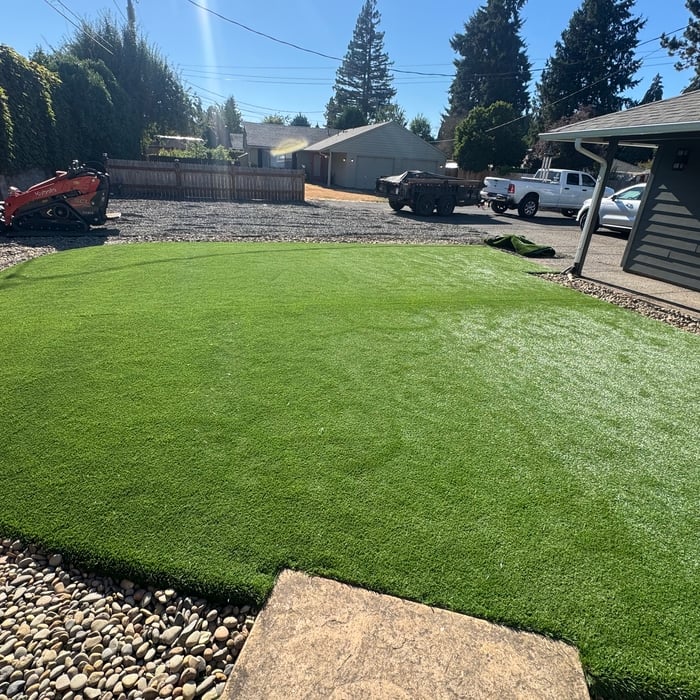
Serving Tangent, OR and surrounding areas

Approved

In business since 2023

Free estimates

Small jobs welcome

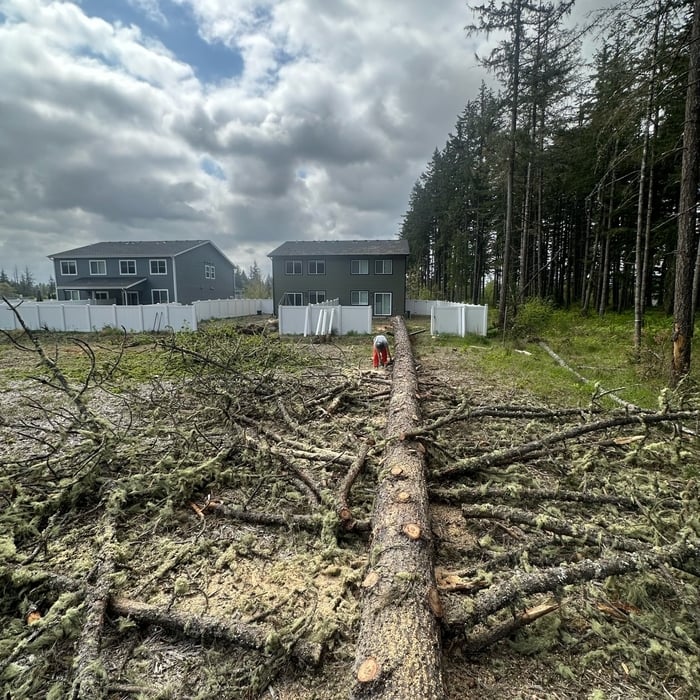
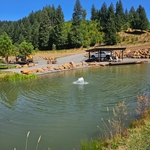
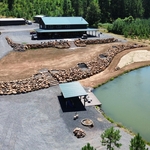
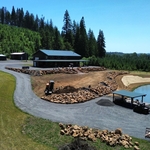
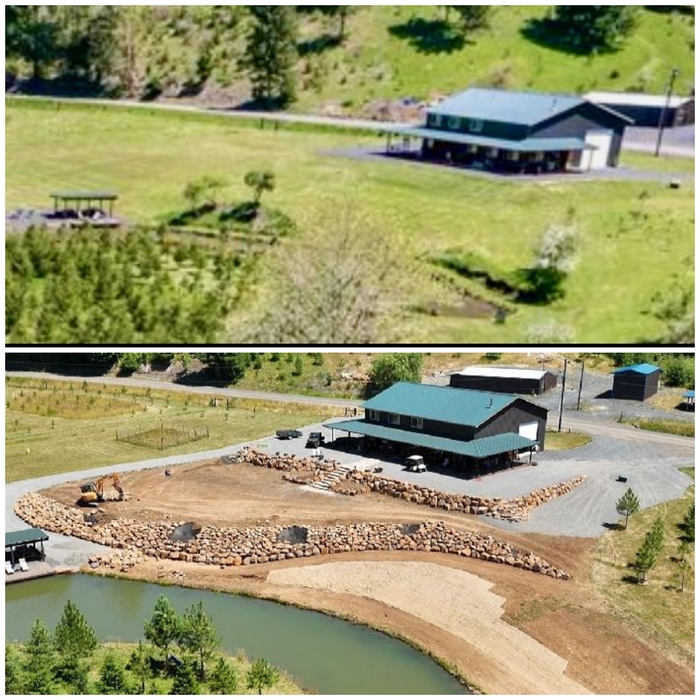
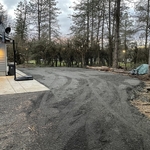
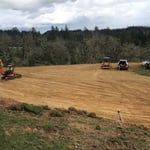
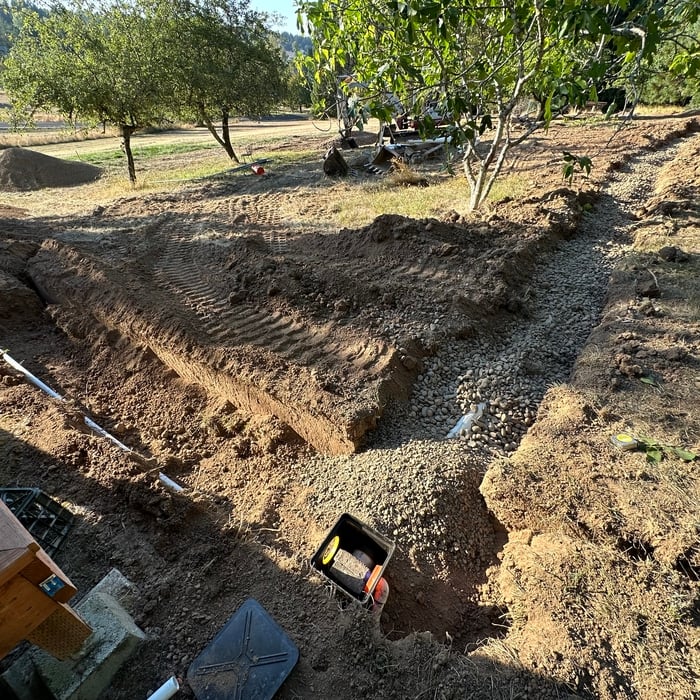
"I hired Paul to help me with multiple projects. He mowed our 2 acre field property when the grass was 4-5ft tall, which gave us easy access to our whole property. He regraded our driveway with approx 20yrds of gravel, leaving it smooth enough I could easily ride my street bike on it. He also excavated a small seasonal pond on our property and removed enough dirt to triple it in size, giving us a year round pond. Very happy with the results of all his work, worth every penny. I will be using Army of One again."
Response time9 hrs
Recommended by100%of homeowners
...
Showing 1-10 of 64
Excavating questions, answered by experts

Trenching and boring are two distinct methods for installing underground utilities. Trenching involves digging a channel using equipment like an excavator, trencher, backhoe, or shovel. While it is a simpler process, it causes significant disruption to the surface, landscaping, and surrounding ecosystems.

Boring, also known as directional boring, is a less invasive alternative that uses a drill to create a tunnel for utility lines without disturbing the surface. This method is more precise and is ideal for installations that need to go underneath buildings, roads, or bodies of water. Although boring is less disruptive, it is generally more expensive than trenching.

Yes, you can excavate in the winter, but it might make the job harder. Frozen ground is harder to dig, and snow or ice can make the work site more hazardous. A contractor may need special equipment and techniques, such as ground-thawing methods, to break through frozen soil. Although winter excavation is possible, it may take longer and be more costly than excavating during warmer months.

Concrete blocks are the cheapest way to base a shed. However, the space in between allows critters to go under, burrow, and even damage your shed’s frame. For a more pest-proof option, consider building a shed base with gravel or paver stones. Both options are fairly affordable and easy enough for a DIY project. For gravel, you can build a wooden frame to contain the loose material.

A joint utility trench, or joint trench, is a long, buried ditch on a property that contains two or more utility lines rather than running the lines in multiple trenches. Some utilities, like gas and electric or electric and communication lines, are better suited to joint trenching, while others, like water and sewer, are not allowed to be in the same trench.

It can take several weeks for the ground to settle after removing a tree, and the soil under larger, more mature trees can take months. The deeper the tree has been ground under the soil, the longer it will take to settle. However, this extra depth can help you plant new landscaping sooner because you’ll have more space for fresh soil.

The Tangent, OR homeowners’ guide to excavation services

From average costs to expert advice, get all the answers you need to get your job done.