





Top-rated excavation pros.

Get matched with top excavation pros in Philomath, OR

Enter your zip and get matched with up to 5 pros

Need a pro for your excavation project in Philomath, OR?

Select your specific project to find the pro for you.

TRUSTED BY PHILOMATH, OR HOMEOWNERS

  • Average homeowner rating star icon4.8
    Average homeowner rating
  • Verified reviews icon24
    Verified excavation services reviews

Find Excavation pros in Philomath

Avatar for Valley Pacific Construction INC
Valley Pacific Construction INC
4.6(
9
)
Landscape - Minor Grading or ReslopingExcavation - Major Grading or ReslopingBuilding Site - Preparation and Clearing+2 more

Serving Philomath, OR and surrounding areas

Approved

Super Service Award Winner

In business since 1972

Credit card accepted

Offers commercial services

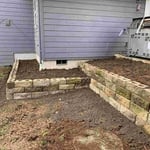
"Daniel was awesome to work with. He came out and provided a solid estimate in a timely fashion. We had an unexpected sprinkler line that was in the middle of our excavation area and he took care of that. He also provided the materials for a retaining wall that we hadn't initially planned for, and he added that to the project scope without issue. I will definitely reach out to Daniel if we have another project like this one."
storm
underground
tree falling
storm
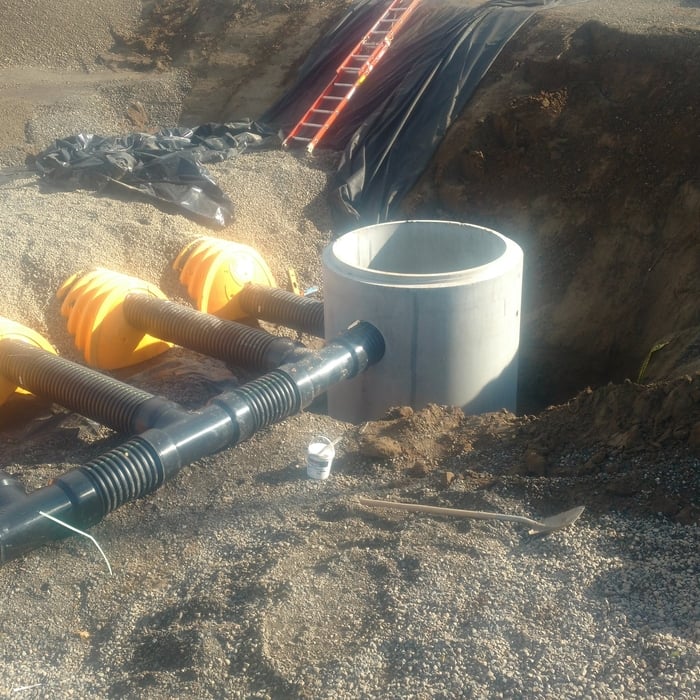
detention system

+2

Response time1 day
6 neighbors recently requested a quote
Recommended by57%of homeowners
Avatar for ARMY OF ONE LANDSCAPE AND EXCAVATION LLC
ARMY OF ONE LANDSCAPE AND EXCAVATION LLC
5.0(
3
)
Building Site - Preparation and ClearingLandscape - Minor Grading or Resloping

Serving Philomath, OR and surrounding areas

Approved

In business since 2023

Free estimates

Small jobs welcome

"I hired Paul to help me with multiple projects. He mowed our 2 acre field property when the grass was 4-5ft tall, which gave us easy access to our whole property. He regraded our driveway with approx 20yrds of gravel, leaving it smooth enough I could easily ride my street bike on it. He also excavated a small seasonal pond on our property and removed enough dirt to triple it in size, giving us a year round pond. Very happy with the results of all his work, worth every penny. I will be using Army of One again."
Response time9 hrs
Recommended by100%of homeowners
Showing 1-10 of 50
Excavating questions, answered by experts

Professional installers often include a deep layer of crushed gravel under permeable pavers to allow more runoff to soak through into the soil below. Many installations will include multiple layers of gravel, with coarser aggregate at the base and finer aggregate that sits on top of that bottom layer. Above the gravel, you’ll often find coarse sand that helps reduce paver shifting over time. Some permeable paver designs include a water collection system set into the gravel layer to route runoff to a safe area for disposal.

Sewer lines can be buried anywhere from 18 inches to 8 feet deep, with a common average depth between 18 and 30 inches. The exact depth depends on local factors like climate and soil type. In colder regions, pipes must be buried deeper (below the frost line) to prevent freezing, sometimes as deep as 8 feet. The digging depth can also impact the cost of sewer line replacement. To find the specific depth for your property, you can check the building plans for your system, which should be on file with your city or local sanitation department since permits are required for installation.

The best way to protect tree roots is to avoid the roots entirely by excavating outside the root radius of the tree. For nearby projects, it’s a good idea to construct a temporary retaining wall. But that’s not always possible, depending on the project and the root system. In these cases, consider using alternative equipment like an auger to tunnel under the ground.

Remember, tree roots can damage nearby cement foundations as they grow. If a tree is close enough to interfere with large excavations, it may be better to remove the tree than risk future problems.

There are several methods to hollow out a tree stump, and the best one depends on your tools, experience, and priorities. Common methods include using a chisel and hammer, a chainsaw, or burning.

  • Chisel and Hammer: This is often considered the easiest approach for those with limited tools or experience, though it is the most time-consuming.

  • Chainsaw: Using a chainsaw is the fastest method, but it comes with significant safety risks, especially for inexperienced users.

  • Burning: This can be an effective method, but it is not recommended unless you can first drill holes into the stump. Without holes, the stump will be difficult to light and may not burn completely through.

A power drill with at least a ⅜-inch diameter bit can make the job quicker and easier, regardless of the primary method. While you can use a chisel or chainsaw without a drill, it will require more time and effort. Always wear protective goggles and thick gloves, as splinters are an inevitable risk.

Yes, you can excavate in the winter, but it might make the job harder. Frozen ground is harder to dig, and snow or ice can make the work site more hazardous. A contractor may need special equipment and techniques, such as ground-thawing methods, to break through frozen soil. Although winter excavation is possible, it may take longer and be more costly than excavating during warmer months.

The Philomath, OR homeowners’ guide to excavation services

From average costs to expert advice, get all the answers you need to get your job done.