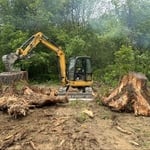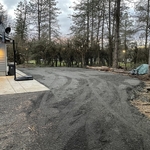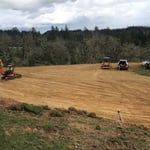



Top-rated excavation pros.

Get matched with top excavation pros in Coburg, OR

Enter your zip and get matched with up to 5 pros

Need a pro for your excavation project in Coburg, OR?

Select your specific project to find the pro for you.

TRUSTED BY COBURG, OR HOMEOWNERS

  • Average homeowner rating star icon4.6
    Average homeowner rating
  • Verified reviews icon134
    Verified excavation services reviews

Find Excavation pros in Coburg

Avatar for Heavy D Excavation LLC
Heavy D Excavation LLC
5.0(
4
)
Building Site - Preparation and ClearingExcavation - Major Grading or ReslopingBuilding Site - Preparation and Clearing - For Business+2 more

Serving Coburg, OR and surrounding areas

Approved

Free estimates

Emergency services offered

Small jobs welcome

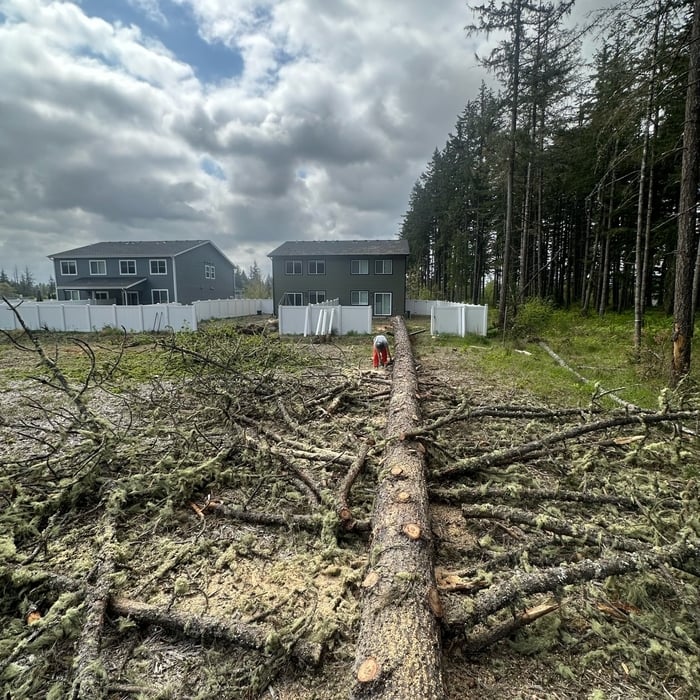
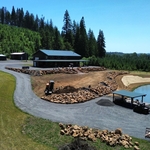
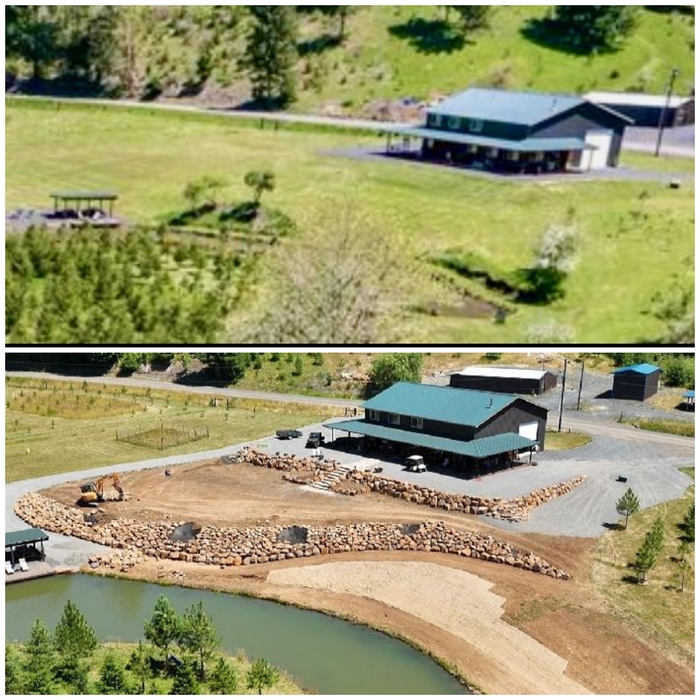
"Heavy D excavation took 20 years of overgrowth on my 30 acres and turned it into a park like setting. Cody created roads, removed brush and trees that were sick or dead, and took care to keep anything healthy. I am creating a campground and he carved out all the spaces, taking care to keep things flowing and aesthetically pleasing. The fire roads were so good, even the fire marshall was impressed. I recommend Heavy D excavation!"
Massive Storm Damage
Extra Details
6 neighbors recently requested a quote

Avatar for Valley Pacific Construction INC
Valley Pacific Construction INC
4.6(
9
)
Excavation - Major Grading or ReslopingBuilding Site - Preparation and ClearingLandscape - Minor Grading or Resloping+2 more

Serving Coburg, OR and surrounding areas

Approved

Super Service Award Winner

In business since 1972

Credit card accepted

Offers commercial services

"Daniel was awesome to work with. He came out and provided a solid estimate in a timely fashion. We had an unexpected sprinkler line that was in the middle of our excavation area and he took care of that. He also provided the materials for a retaining wall that we hadn't initially planned for, and he added that to the project scope without issue. I will definitely reach out to Daniel if we have another project like this one."
storm
underground
tree falling
storm
detention system

+2

Response time1 day
Response rate92%
6 neighbors recently requested a quote
...
Showing 1-10 of 72
Excavating questions, answered by experts

After you successfully remove your boulder, you have a few options for what to do to get rid of it. You can rent a dumpster if your yard has many boulders or if you’re planning a larger project. You can even save the boulder and reuse it elsewhere on your property to save on landscaping costs. A few ideas include using the boulder as a natural, abstract statue, breaking it into smaller pieces to line your garden bed, or offering it to a landscaping company that could reuse it for another project.
You can dig 60 to 80 linear feet by hand per day depending on the depth. Digging a 100-foot trench by hand will take you two work days, but it can take longer if you have heavy or rocky soil. If you’re digging a deep trench or one that’s over 100 feet, consider renting a mechanical trencher, such as a walk-behind or ride-on, or calling a pro for help. 

Whether you grind or dig up and remove your tree stump depends on your landscaping goals. Using a stump grinder leaves the root system in place for it to decompose over time, whereas digging up the tree stump removes the roots and the stump. Overall, stump grinding is a far simpler process since you won’t need to deal with the roots. Stump removal will make your yard look like a demolition site, but you’ll have an easier time replanting in the same place as your former tree.

Tree experts don’t advise against digging through tree roots, but instead encourage caution and consultation with a local arborist to make sure you don’t damage the tree’s structure or interrupt its water or nutrient intake. An arborist can recommend specific practices when digging and help prune the roots or dig a trench for utilities with a tool that can remove soil without touching the tree’s roots.

Septic drain lines (or leach lines) are typically buried between 18 and 36 inches underground, and should be at least 6 inches below the surface. These pipes are perforated and surrounded by filtering materials like sand or gravel. Burying the lines at this depth helps minimize odors and allows bacteria and other biological processes in the soil to effectively treat the wastewater. Burying lines too close to the surface can cause issues unless the soil is very compact and stable.

The Coburg, OR homeowners’ guide to excavation services

From average costs to expert advice, get all the answers you need to get your job done.