






Top-rated excavation pros.

Get matched with top excavation pros in Rogue River, OR

Enter your zip and get matched with up to 5 pros

Need a pro for your excavation project in Rogue River, OR?

Select your specific project to find the pro for you.

TRUSTED BY ROGUE RIVER, OR HOMEOWNERS

  • Average homeowner rating star icon4.7
    Average homeowner rating
  • Verified reviews icon46
    Verified excavation services reviews

Find Excavation pros in Rogue River

Superior Landscape & Maintenance
3.8(
64
)
Landscape - Minor Grading or Resloping

Serving Rogue River, OR and surrounding areas

Approved

In business since 1994

Free estimates

Customers say: True professional

"The crew were very courteous and hard working. They wanted to make sure I was happy with the design and end product. Chris knew all the plants, having a nursery background, and James designed the water feature. I couldnâ t be happier with how it all turned out, and everyone that comes to my home says it looks like a park. Even the owner of the company says itâ s the best yard space theyâ ve done. Outstanding!"
Response time1 day
Response rate94%
2 neighbors recently requested a quote
Avatar for Pacific Builders Tim Hogue
Pacific Builders Tim Hogue
3.7(
35
)
Building Site - Preparation and ClearingExcavation - Major Grading or Resloping

Serving Rogue River, OR and surrounding areas

Approved

In business since 1992

Free estimates

Emergency services offered

"From a picture and plans to a dream come true. Thank You Pacific builders!! It was a pleasure knowing all of you. A special thank you to Travis the tile guy his work is awsome, also Christine at Stone Lab had the counter top i had been looking for she is a very nice Lady to work with and her installers Jeff and crew are great guys thank you all ;-)"
Coustom base board
Dewitt's project
Dewitt's project
Dewitt's project
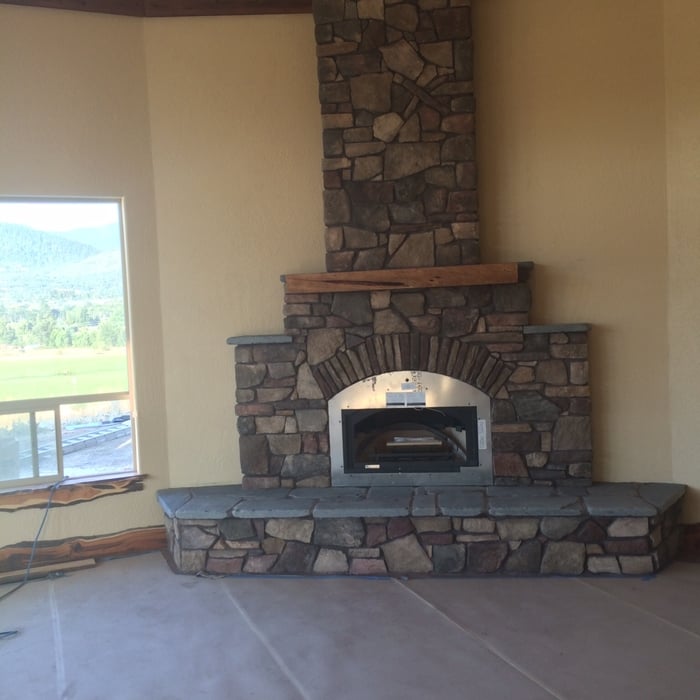
stone fire place

+42

Response time7 hrs
Response rate85%
Recommended by92%of homeowners

Daily & Sons Excavation LLC
4.7(
13
)
Building Site - Preparation and ClearingExcavation - Major Grading or ReslopingLandscape - Minor Grading or Resloping

Serving Rogue River, OR and surrounding areas

In business since 2011

Emergency services offered

Credit card accepted

"When you hire a company who sets the proper expectations and delivers on them is absolutely amazing They made sure to communicate they were punctual kept us in the loop every step that they made Our driveway looks amazing Look forward to working with them for all our future excavation needs they really make you feel like you?re part of the family"
Recommended by8%of homeowners
...
Showing 1-10 of 64
Excavating questions, answered by experts

To locate an underground downspout, you should start by identifying where the above ground gutter drains. Look for an entry point, such as a pipe or elbow leading into the ground. Follow the surface path for signs like depressions, landscaping disruptions, or wet areas after rain. You can use a metal detector or plumber’s snake to trace the pipe underground. For deeper pipes, a professional locator tool or camera inspection may be necessary. Visual markers or utility maps can also guide the search.

Depth is not a qualifying component of evacuation. Any human-made cut, cavity, or depression in the earth’s surface is considered excavation. The hole from excavation can be any size, shape, or depth. Excavation is used to create foundations, reservoirs, drainage ditches, and roads. Long, narrow excavations are called trenches and are often used for underground utilities.

How deep your septic system needs to be into the ground depends on several factors. In extremely cold environments, the tank needs to rest below the maximum frost line, which can be up to six or eight feet deep. The standard burying depth for most systems is between a few inches and four feet below ground level. Depth can also depend on the slope of the landscaping and other property variables. 

Trenches are typically 12 to 24 inches deep and 8 inches wide. However, the required depth depends on the specific project and local ordinances. For example, a French drain may need to be 18 inches deep, while a water pipe might require a depth of 24 inches and a drainage pipe 36 inches. Your city or county may have specific regulations, so it's wise to consult with an excavation professional to determine the correct depth for your project.

There are several methods to hollow out a tree stump, and the best one depends on your tools, experience, and priorities. Common methods include using a chisel and hammer, a chainsaw, or burning.

  • Chisel and Hammer: This is often considered the easiest approach for those with limited tools or experience, though it is the most time-consuming.

  • Chainsaw: Using a chainsaw is the fastest method, but it comes with significant safety risks, especially for inexperienced users.

  • Burning: This can be an effective method, but it is not recommended unless you can first drill holes into the stump. Without holes, the stump will be difficult to light and may not burn completely through.

A power drill with at least a ⅜-inch diameter bit can make the job quicker and easier, regardless of the primary method. While you can use a chisel or chainsaw without a drill, it will require more time and effort. Always wear protective goggles and thick gloves, as splinters are an inevitable risk.

The Rogue River, OR homeowners’ guide to excavation services

From average costs to expert advice, get all the answers you need to get your job done.