



Top-rated excavation pros.

Best excavation pros near Tenmile, OR

Enter your zip and get matched with up to 5 pros

Need a pro for your excavation project in Tenmile, OR?

Select your specific project to find the pro for you.

TRUSTED BY TENMILE, OR HOMEOWNERS

  • Average homeowner rating star icon4.7
    Average homeowner rating
  • Verified reviews icon37
    Verified excavation services reviews

Top-Rated Excavation pros in Tenmile - Updated Nov 2026

Avatar for Thomas Excavation Inc
Thomas Excavation Inc
5.0(
6
)
Building Site - Preparation and ClearingExcavation - Major Grading or ReslopingLandscape - Minor Grading or Resloping

Serving Tenmile, OR and surrounding areas

Approved

In business since 2024

Credit card accepted

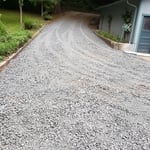
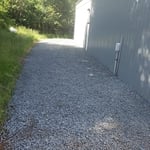
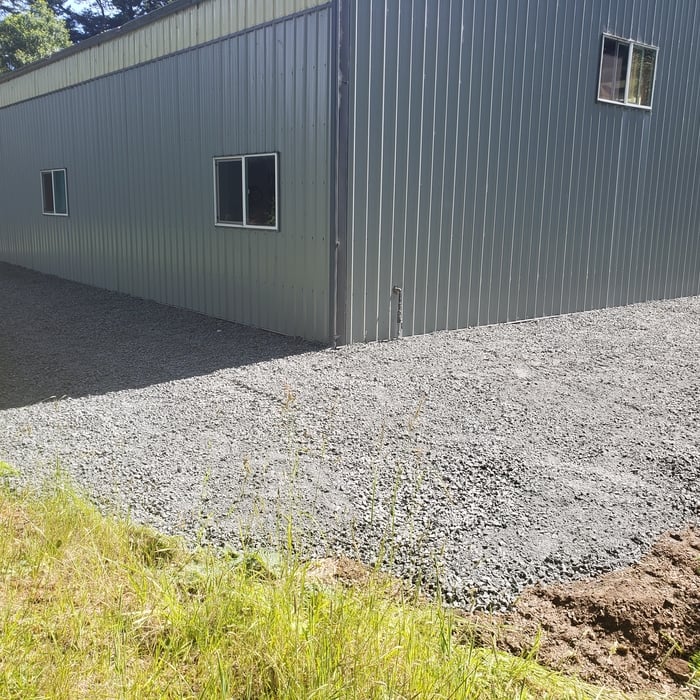
"Thomas Excavation responded promptly to schedule a site visit. He had a plan for the work needed and a reasonable estimate within a few days. He arrived with equipment for the work as agreed. Regrading a steep road deeply eroded by spring rains, placing two culverts, re-routing water run-off in multiple places and plus repairing the deep ditch from water run-off across and down my driveway was done efficiently and professionally. This is the business I would hire again and again for consistent expert work. You will not be disappointed."
Response time6 hrs
Response rate96%
17 neighbors recently requested a quote
Avatar for ABOVE & BEYOND EXCAVATION LLC
ABOVE & BEYOND EXCAVATION LLC
5.0(
5
)
Building Site - Preparation and ClearingBuilding Site - Preparation and Clearing - For BusinessExcavation - Major Grading or Resloping+2 more

Serving Tenmile, OR and surrounding areas

In business since 2010

Free estimates

Emergency services offered

"Above and Beyond Excavation truly lives up to their name! They did an amazing job on our project—professional, efficient, and very knowledgeable. The crew was friendly and took the time to make sure everything was done right. They went above and beyond (no pun intended!) to keep the site clean and finish on schedule. If you need excavation work done, I highly recommend them!""
Response time2 days
Response rate85%
Recommended by20%of homeowners
Showing 1-10 of 32
Excavating FAQs, answered by experts

Trenching and boring are two distinct methods for installing underground utilities. Trenching involves digging a channel using equipment like an excavator, trencher, backhoe, or shovel. While it is a simpler process, it causes significant disruption to the surface, landscaping, and surrounding ecosystems.

Boring, also known as directional boring, is a less invasive alternative that uses a drill to create a tunnel for utility lines without disturbing the surface. This method is more precise and is ideal for installations that need to go underneath buildings, roads, or bodies of water. Although boring is less disruptive, it is generally more expensive than trenching.

The best way to protect tree roots is to avoid the roots entirely by excavating outside the root radius of the tree. For nearby projects, it’s a good idea to construct a temporary retaining wall. But that’s not always possible, depending on the project and the root system. In these cases, consider using alternative equipment like an auger to tunnel under the ground.

Remember, tree roots can damage nearby cement foundations as they grow. If a tree is close enough to interfere with large excavations, it may be better to remove the tree than risk future problems.

Trenchers can dig holes as narrow as 4 inches or as wide as 4 feet. Check the specifications of the trencher you rent or buy to determine how wide it will cut into the landscape. Better yet, let the excavation company know how wide you’d like the trench to be, and they can help you choose the right trencher for the job (or do it for you).

You can dig 60 to 80 linear feet by hand per day depending on the depth. Digging a 100-foot trench by hand will take you two work days, but it can take longer if you have heavy or rocky soil. If you’re digging a deep trench or one that’s over 100 feet, consider renting a mechanical trencher, such as a walk-behind or ride-on, or calling a pro for help. 

In the United States, a depth of 36 inches (three feet) for underground water lines is the accepted industry standard. This depth varies from location to location based on local conditions. In areas with colder winters, they may be buried deeper to prevent frozen well water pipes : This is usually at least six inches below the frost level. The International Plumbing Code calls for a minimum of 12 inches below grade.

The Tenmile, OR homeowners’ guide to excavation services

From average costs to expert advice, get all the answers you need to get your job done.