



Top-rated excavation pros.

Get matched with top excavation pros in Butte Falls, OR

Enter your zip and get matched with up to 5 pros

Need a pro for your excavation project in Butte Falls, OR?

Select your specific project to find the pro for you.

TRUSTED BY BUTTE FALLS, OR HOMEOWNERS

  • Average homeowner rating star icon4.9
    Average homeowner rating
  • Verified reviews icon15
    Verified excavation services reviews

Find Excavation pros in Butte Falls

Avatar for Pacific Builders Tim Hogue
Pacific Builders Tim Hogue
3.7(
35
)
Building Site - Preparation and ClearingExcavation - Major Grading or Resloping

Serving Butte Falls, OR and surrounding areas

Approved

In business since 1992

Free estimates

Emergency services offered

"This s the second time we have used Tim at Pacific Builders. He is very personable and easy to work with. He will bend over backward to make sure you are satisfied with his work. When he gives you a quote on a job he explains the variables and sticks to it. We would definitely hire him again."
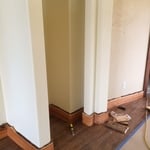
Coustom base board
Dewitt's project
Dewitt's project
Dewitt's project
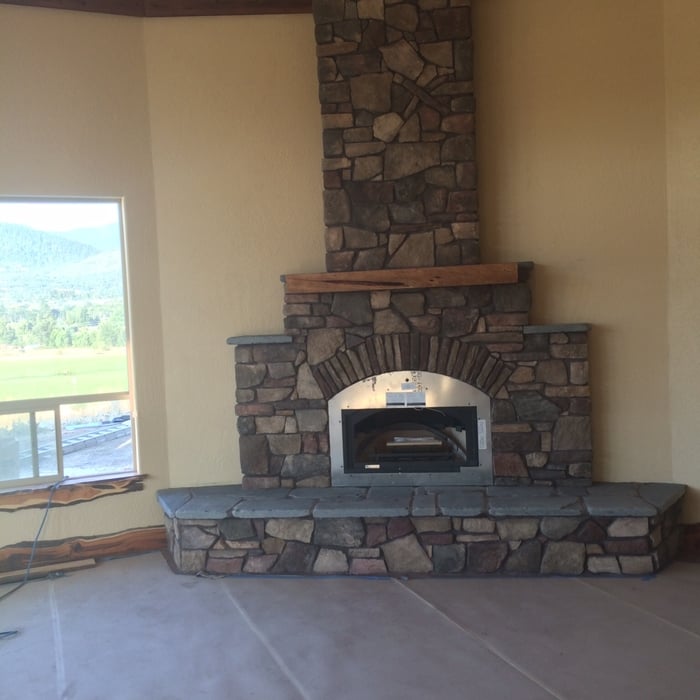
stone fire place

+42

Response time7 hrs
Response rate85%
Recommended by92%of homeowners
Daily & Sons Excavation LLC
4.7(
13
)
Building Site - Preparation and ClearingExcavation - Major Grading or ReslopingLandscape - Minor Grading or Resloping

Serving Butte Falls, OR and surrounding areas

In business since 2011

Emergency services offered

Credit card accepted

"I hired Daily & Sons for all of the excavation work while building my new home and I couldn't be happier. Zach and his crew were great to work with and are very good at what they do. My property turned out amazing and I appreciate the great experience working with the entire Daily & Sons crew. I highly recommend them to all of my friends and would hire them again without hesitation."
Recommended by8%of homeowners
Randy Frischman Excavating, LLC
New to Angi
Building Site - Preparation and ClearingExcavation - Major Grading or Resloping

Serving Butte Falls, OR and surrounding areas

In business since 1996

Free estimates

Small jobs welcome

Thank you for considering us as your excavation contractor. Randy has 40 years of experience in all types of excavation. We strive only for top quality workmanship from start to finish, underground to finish grade. We start early and quit late to complete your job in a timely manner. We serve Jackson and Josephine counties. Given the opportunity we will make your property shine. \n\n\n\n\n.

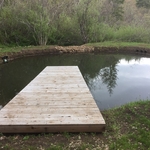
Finished pond
Excavating pond
Anthonys greenhouse pad
a Al's black blackberry patch.
al's blackberry patch.

+3

Response time10 hrs
Showing 1-10 of 43
Excavating questions, answered by experts

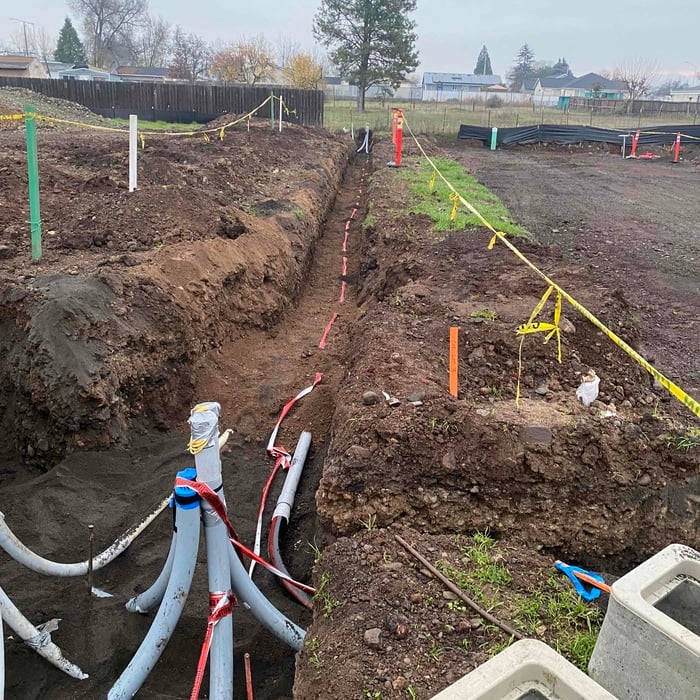
Trenching and boring are two distinct methods for installing underground utilities. Trenching involves digging a channel using equipment like an excavator, trencher, backhoe, or shovel. While it is a simpler process, it causes significant disruption to the surface, landscaping, and surrounding ecosystems.

Boring, also known as directional boring, is a less invasive alternative that uses a drill to create a tunnel for utility lines without disturbing the surface. This method is more precise and is ideal for installations that need to go underneath buildings, roads, or bodies of water. Although boring is less disruptive, it is generally more expensive than trenching.

In the United States, a depth of 36 inches (three feet) for underground water lines is the accepted industry standard. This depth varies from location to location based on local conditions. In areas with colder winters, they may be buried deeper to prevent frozen well water pipes : This is usually at least six inches below the frost level. The International Plumbing Code calls for a minimum of 12 inches below grade.

Depth is not a qualifying component of evacuation. Any human-made cut, cavity, or depression in the earth’s surface is considered excavation. The hole from excavation can be any size, shape, or depth. Excavation is used to create foundations, reservoirs, drainage ditches, and roads. Long, narrow excavations are called trenches and are often used for underground utilities.

There are several methods to hollow out a tree stump, and the best one depends on your tools, experience, and priorities. Common methods include using a chisel and hammer, a chainsaw, or burning.

  • Chisel and Hammer: This is often considered the easiest approach for those with limited tools or experience, though it is the most time-consuming.

  • Chainsaw: Using a chainsaw is the fastest method, but it comes with significant safety risks, especially for inexperienced users.

  • Burning: This can be an effective method, but it is not recommended unless you can first drill holes into the stump. Without holes, the stump will be difficult to light and may not burn completely through.

A power drill with at least a ⅜-inch diameter bit can make the job quicker and easier, regardless of the primary method. While you can use a chisel or chainsaw without a drill, it will require more time and effort. Always wear protective goggles and thick gloves, as splinters are an inevitable risk.

The rules and regulations regarding groundwater use vary between states. To find out if you can dig a well on your property, you’ll have to consult these regulations, address any compliance requirements, and get the appropriate permits. It’s also important to check that your intended location has the right geology and water table to support a well.

The Butte Falls, OR homeowners’ guide to excavation services

From average costs to expert advice, get all the answers you need to get your job done.