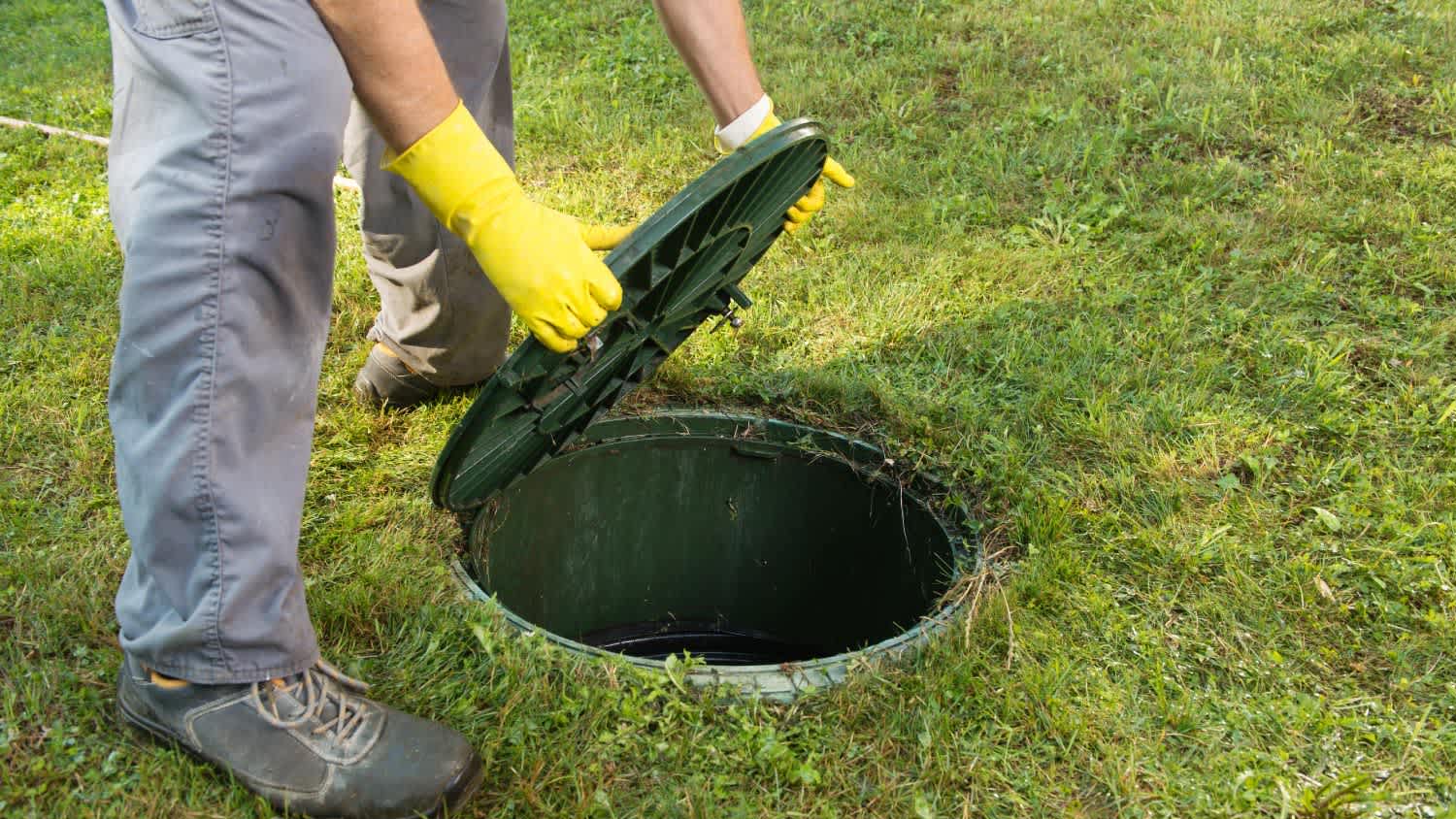




Top-rated percolation testing pros.

Get matched with top percolation testing pros in Klamath Falls, OR

Enter your zip and get matched with up to 5 pros

Need a pro for your percolation testing project in Klamath Falls, OR?

Select your specific project to find the pro for you.

TRUSTED BY KLAMATH FALLS, OR HOMEOWNERS

  • Average homeowner rating star icon4.4
    Average homeowner rating
  • Verified reviews icon95
    Verified percolation testing services reviews

Find Percolation testing pros in Klamath Falls

No results for Percolation testing pro in

Try adjusting your search criteria.
Percolation Tests questions, answered by experts

Asbestos is commonly found in certain older homes, depending on the time period in which they were built. Asbestos use in home construction began in the 1920s and peaked after World War II before being limited by legislation in the ’70s, so a house constructed in 1880 is unlikely to contain asbestos, while one built in 1950 is much more likely to. Research a home’s history to determine the time period when it was built and any renovations made since.

Although the use of asbestos has declined since the 1980s, it remains in several different types of building construction materials for insulation and as a fire retardant. Typically, asbestos can be found in materials such as ceiling and floor tiles, heat-resistant fabrics and coatings, and roof shingles. You may also find asbestos in textured paint and patching compounds.

If you think you’ve touched asbestos, do not put on a mask. This is important because you may take the asbestos fibers on your hands on trap them in the mask. Make your way to a sink and wash your hands thoroughly. Remove any clothes and seal them in a bag, then take a shower. Call your doctor and let them know you’ve been exposed to asbestos, and make sure you see them as soon as possible. The reason you keep the clothes is in case anyone wants to confirm the presence of asbestos.

The microscopic asbestos fibers do not cause eye irritation, throat irritation, or lung irritation. If you are inhaling fibers, you will not know it. This lack of immediate symptoms is one of the reasons why asbestos is so dangerous. You cannot know for certain if you are inhaling fibers, which is why you must wear safety gear if you could have any chance of an exposure while working.

The signs of asbestos exposure are often subtle and may not appear for many years, or even decades, after initial contact. This long latency period is one of the primary dangers associated with asbestos.

When symptoms do manifest, they can include:

  • Shortness of breath

  • A persistent, dry cough

  • Chest pain or tightness

  • Fatigue

  • Wheezing

  • Weight loss

  • Difficulty swallowing

  • A dry, crackling sound from the lungs when breathing

These symptoms are non-specific and can be mistaken for other respiratory conditions, making diagnosis challenging. Prolonged exposure can lead to serious diseases as the asbestos fibers cause scarring and inflammation in the lungs. These conditions include asbestosis, lung cancer, and mesothelioma.

Due to the vague nature of early symptoms, regular medical check-ups are crucial for anyone with a known history of asbestos exposure, particularly in an occupational setting. If you suspect asbestos is present in your home, a professional inspection is recommended.

The Klamath Falls, OR homeowners’ guide to percolation testing services

From average costs to expert advice, get all the answers you need to get your job done.